What is pouch surgery?
An ileal pouch-anal anastomosis (IPAA), commonly known as a J-pouch, is a complex surgical procedure most commonly performed for patients with ulcerative colitis or familial adenomatous polyposis (FAP) who require removal of the colon and rectum. Rather than a permanent stoma, a pouch is created from the small bowel and connected to the anal canal, allowing patients to maintain bowel continuity and avoid a permanent bag.
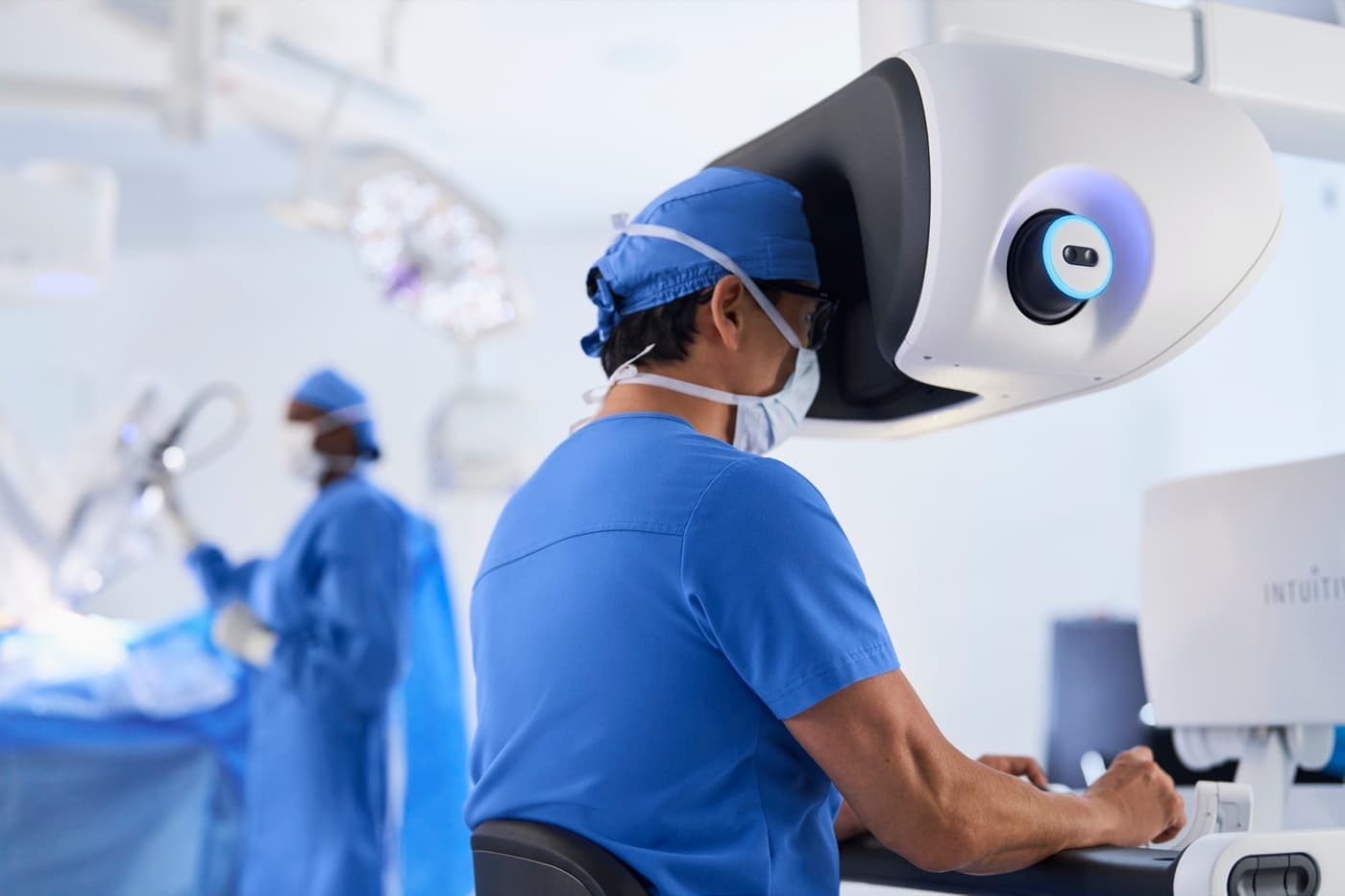
Mr Daulatzai performs pouch surgery using robotic techniques, offering patients the benefits of minimally invasive surgery even for this technically demanding procedure. He trained in pouch surgery at St Mark's Hospital London, one of the world's foremost centres for intestinal failure and pouch surgery, and has experience managing both primary pouch formation and complications of existing pouches.
Pouch surgery is typically performed in two or three stages depending on the clinical circumstances, and Mr Daulatzai will guide you through each step of the process with clear, personalised advice at every stage.
Who may benefit from pouch surgery
Ileal pouch-anal anastomosis (IPAA, or J-pouch) is most commonly performed for ulcerative colitis or familial adenomatous polyposis (FAP) when removal of the colon and rectum is required but a permanent stoma is to be avoided. A pouch is fashioned from the small bowel and connected to the anal canal, allowing bowel continuity without a permanent bag.
Suitability depends on anal sphincter function, previous treatments, urgency of surgery, and overall fitness. Assessment includes detailed discussion of expectations regarding frequency of bowel movements, continence, and quality of life after pouch formation.
The surgical pathway
Mr Daulatzai performs pouch surgery using robotic techniques where appropriate, with training at St Mark's Hospital London, a leading centre for pouch surgery and intestinal failure. Pouch formation is typically performed in two or three stages depending on clinical circumstances, often with a temporary ileostomy to protect the pouch while it heals.
I guide you through each stage with clear, personalised advice: initial colectomy, pouch construction, and subsequent ileostomy reversal when conditions are appropriate. For patients with existing pouch complications, specialist evaluation and revision options are discussed in detail.
Expected recovery between stages, diet progression, and follow-up arrangements are explained before each operation so you can plan with confidence.
Recovery and pouch function
Pouch function evolves over months. Early recovery focuses on healing and stoma management if a temporary ileostomy is in place. I provide structured follow-up to monitor adaptation, address pouchitis or other concerns, and coordinate care with specialist nursing teams.
Realistic expectations about bowel frequency, dietary adjustment, and long-term surveillance are discussed from the outset.
Your consultation
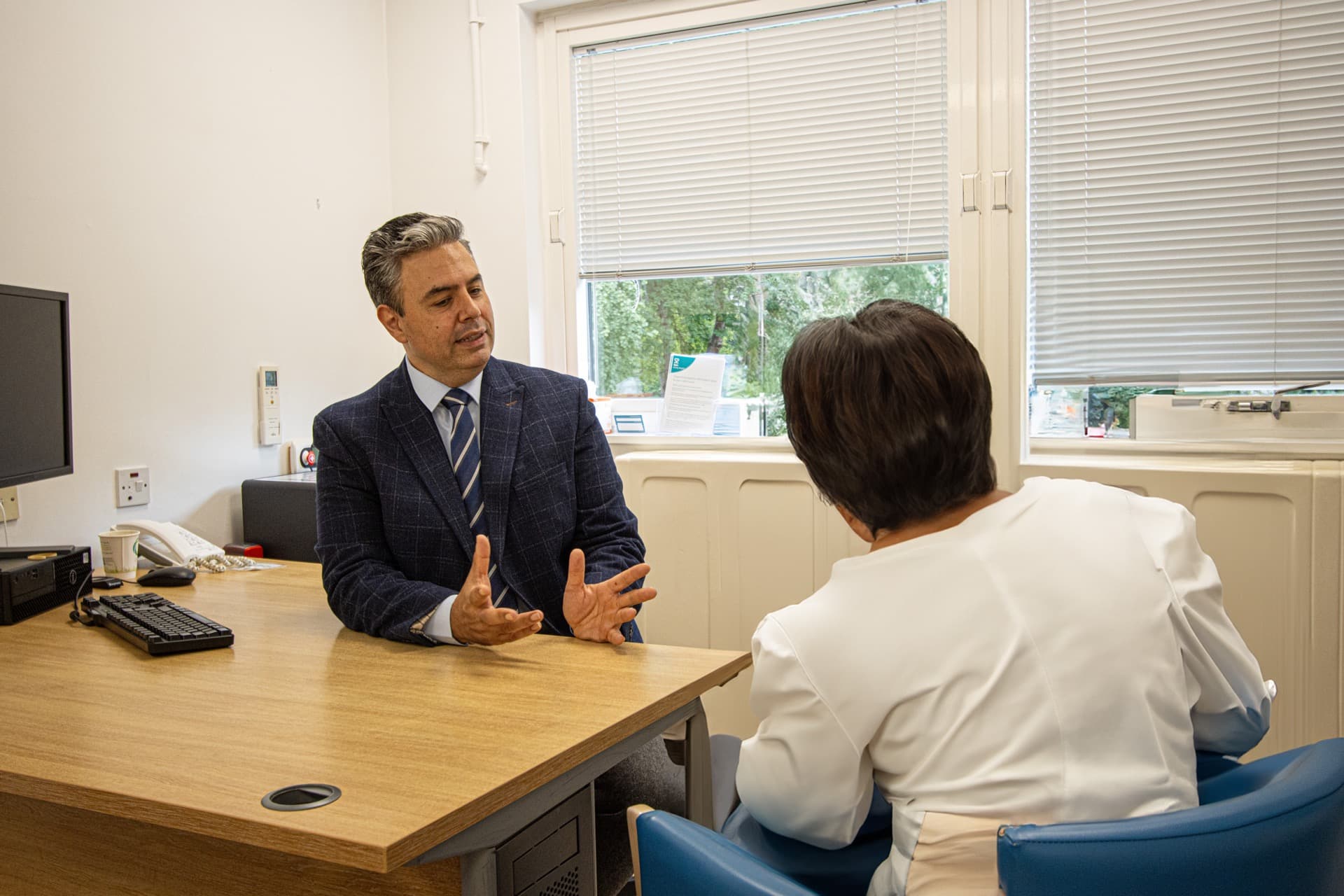
Pouch surgery is a major but life-changing option for selected patients with ulcerative colitis or FAP. Specialist assessment is essential before proceeding. Appointments are available through NHS referral and private practice.
Contact my team to arrange a consultation and discuss whether pouch surgery is appropriate for you.
Frequently asked questions
Will I need a stoma after bowel surgery?
Not all bowel operations require a stoma. Where a stoma is a possibility, this will be discussed with you in detail before surgery. In many cases a stoma is temporary and can be reversed at a later date once healing is complete. Mr Daulatzai will always explain clearly whether a stoma is anticipated and what the plan will be.
How long will I need off work after surgery?
Recovery times vary depending on the procedure. As a general guide:
• Minor procedures (haemorrhoid banding, anal procedures): one to three days.
• Robotic or laparoscopic bowel surgery: two to four weeks, depending on the nature of the operation and your occupation.
• Open surgery: four to six weeks.
Mr Daulatzai will give you personalised guidance on expected recovery at your consultation and again before your procedure.
How quickly can I be seen?
Private patients can typically be seen within one week. Please contact the secretary directly to check current availability.