What is colorectal cancer?
Colorectal cancer is one of the most common cancers in the UK, affecting the colon or rectum. When detected early, outcomes are excellent, and even in more advanced cases, significant improvements in surgical technique and systemic therapy mean that effective treatment is possible.
Mr Daulatzai has specialist expertise in the surgical management of colorectal cancer, including robotic and laparoscopic resections of the colon and rectum. He works as part of a multidisciplinary team (MDT), collaborating closely with oncologists, radiologists, and specialist nurses to ensure every patient receives a comprehensive, personalised treatment plan.
Procedures performed include:
• Right hemicolectomy: removal of the right side of the colon, used for cancers of the caecum and ascending colon.
• Left hemicolectomy: removal of the left side of the colon for cancers of the descending colon.
• Sigmoid colectomy: removal of the sigmoid colon, one of the most common sites for colorectal cancer.
• Anterior resection: removal of the upper rectum, preserving normal bowel continuity wherever possible.
• Low anterior resection: removal of the lower rectum for rectal cancers, with bowel reconnection performed using advanced surgical techniques.
• Abdominoperineal resection (APR): performed for low rectal cancers where bowel continuity cannot be safely preserved, resulting in a permanent stoma.
• Total and subtotal colectomy: removal of the entire or near-entire colon, used in selected cases including synchronous cancers or in the emergency setting.
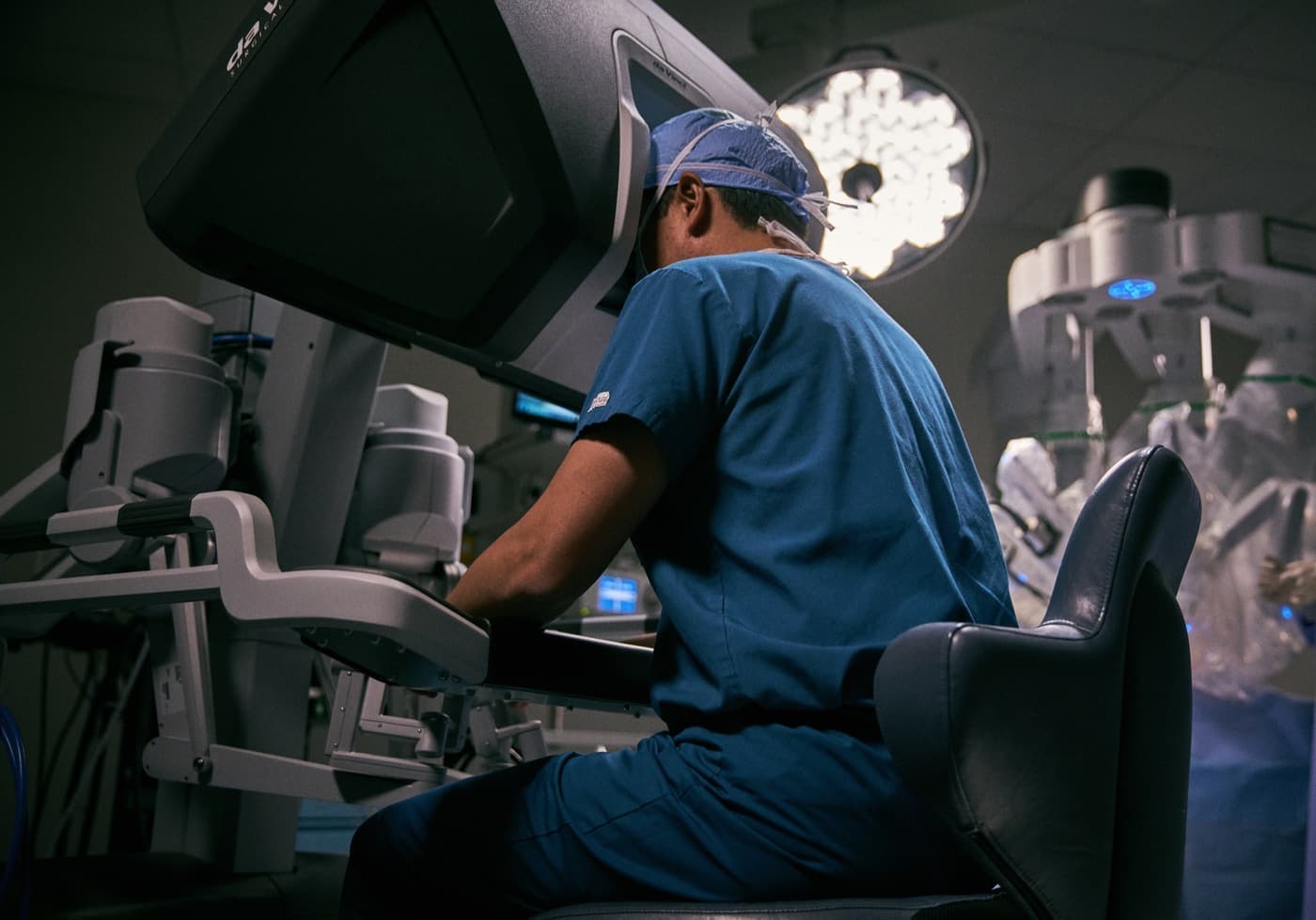
Mr Daulatzai's robotic approach to colorectal cancer surgery offers superior visualisation deep in the pelvis, enhanced precision, reduced blood loss, and faster recovery compared to open surgery, meaning patients can begin any further treatment sooner.
Symptoms and when to seek help
Colorectal cancer may cause a change in bowel habit (persistent diarrhoea or constipation), rectal bleeding, abdominal pain or bloating, unexplained weight loss, tiredness from anaemia, or a feeling that the bowel does not empty completely. Many symptoms are non-specific, which is why investigation is important when they persist.
You should seek prompt assessment for new rectal bleeding, a sustained change in bowel habit lasting three weeks or more, unexplained iron-deficiency anaemia, or symptoms suggestive of bowel obstruction. Early diagnosis improves treatment options and long-term outcomes.
If you have been diagnosed with colorectal cancer, surgical management is planned within a multidisciplinary team (MDT) alongside oncology, radiology, and specialist nursing colleagues.
Surgical management and MDT care
Mr Daulatzai has specialist expertise in the surgical management of colorectal cancer, including robotic and laparoscopic resections of the colon and rectum. Operations are tailored to tumour site and stage and may include right or left hemicolectomy, sigmoid colectomy, anterior resection, low anterior resection, abdominoperineal resection (APR), or total/subtotal colectomy in selected cases.
Robotic surgery offers superior visualisation in the pelvis, enhanced precision, reduced blood loss, and often faster recovery compared with open surgery, allowing any further treatment to begin sooner when required.
Before surgery, staging investigations and MDT discussion ensure the recommended operation fits your overall treatment plan. I explain expected hospital stay, recovery milestones, stoma formation if needed, and coordination with oncology where adjuvant therapy is advised.
Recovery and follow-up
Recovery after colorectal cancer surgery depends on the procedure performed and your general health. Minimally invasive approaches typically support earlier mobilisation and shorter hospital stay. I provide structured advice on diet, stoma care if applicable, pain management, and return to activity.
Long-term follow-up is coordinated with the MDT and may include surveillance imaging, colonoscopy, and oncology review. Clear communication throughout treatment helps you understand each stage of your pathway.
Your consultation
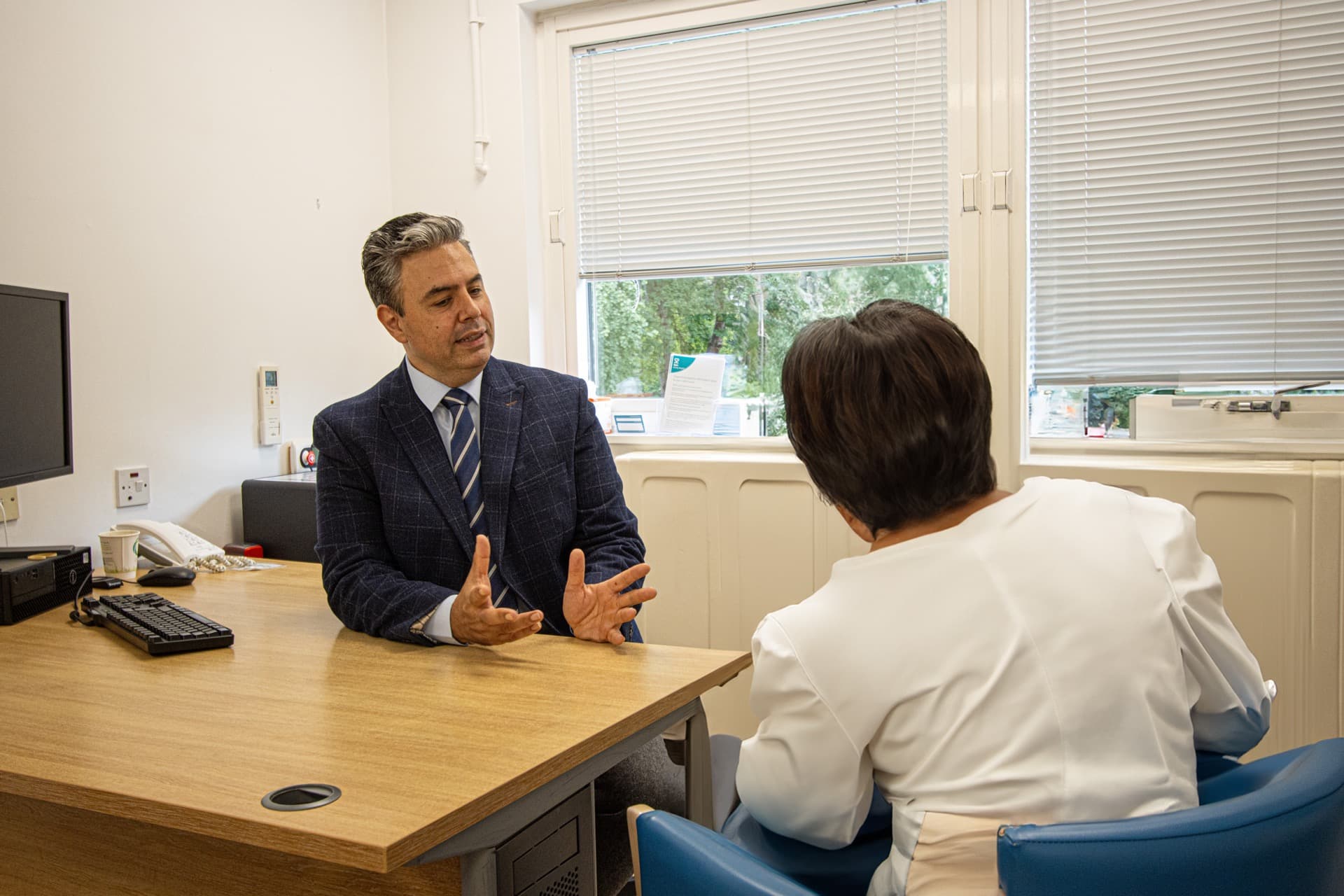
If you have a colorectal cancer diagnosis or concerning symptoms requiring specialist review, timely assessment is essential. Appointments are available through NHS referral and private practice.
Contact my team to arrange a consultation and discuss your personalised surgical and MDT treatment plan.
Frequently asked questions
Will I need a stoma after bowel surgery?
Not all bowel operations require a stoma. Where a stoma is a possibility, this will be discussed with you in detail before surgery. In many cases a stoma is temporary and can be reversed at a later date once healing is complete. Mr Daulatzai will always explain clearly whether a stoma is anticipated and what the plan will be.
How long will I need off work after surgery?
Recovery times vary depending on the procedure. As a general guide:
• Minor procedures (haemorrhoid banding, anal procedures): one to three days.
• Robotic or laparoscopic bowel surgery: two to four weeks, depending on the nature of the operation and your occupation.
• Open surgery: four to six weeks.
Mr Daulatzai will give you personalised guidance on expected recovery at your consultation and again before your procedure.
How quickly can I be seen?
Private patients can typically be seen within one week. Please contact the secretary directly to check current availability.