What is inflammatory bowel disease?
Inflammatory bowel disease (encompassing Crohn's disease and ulcerative colitis) is a chronic condition causing inflammation of the digestive tract. Whilst medical management is the mainstay of treatment, surgery is required in a significant proportion of patients, either due to disease that is refractory to medication, or as a result of complications.
Mr Daulatzai has specialist expertise in the surgical management of IBD, with advanced fellowship training at St Mark's Hospital London, one of the world's leading centres for intestinal disease. Surgical options include:
• Colectomy and ileal pouch-anal anastomosis (restorative proctocolectomy): for suitable patients with ulcerative colitis, this procedure removes the colon and rectum and creates an internal pouch from the small bowel, avoiding the need for a permanent stoma.
• Colectomy with end ileostomy, used in the emergency or urgent setting, or where a pouch procedure is not appropriate.
• Strictureplasty and bowel resection for Crohn's disease, aimed at preserving as much bowel as possible whilst relieving obstruction and removing the most severely affected segments.
• Surgery for IBD complications, including abscess drainage, fistula repair, and management of perforation or haemorrhage.
Mr Daulatzai works closely with gastroenterology colleagues to ensure surgical decisions are made within a fully informed MDT framework, with every effort made to time surgery optimally and minimise its impact on the patient's quality of life.
Symptoms and when surgery may be needed
Inflammatory bowel disease (IBD), including Crohn's disease and ulcerative colitis, causes chronic inflammation of the digestive tract. Symptoms may include diarrhoea, rectal bleeding, abdominal pain, weight loss, fatigue, and extraintestinal manifestations. Medical therapy is the mainstay of treatment for most patients.
Surgery is considered when disease is refractory to medication, when complications arise (stricture, abscess, fistula, perforation, haemorrhage, dysplasia or cancer), or in selected cases to improve quality of life. The timing of surgery is planned carefully with your gastroenterologist within an MDT framework.
Surgical options
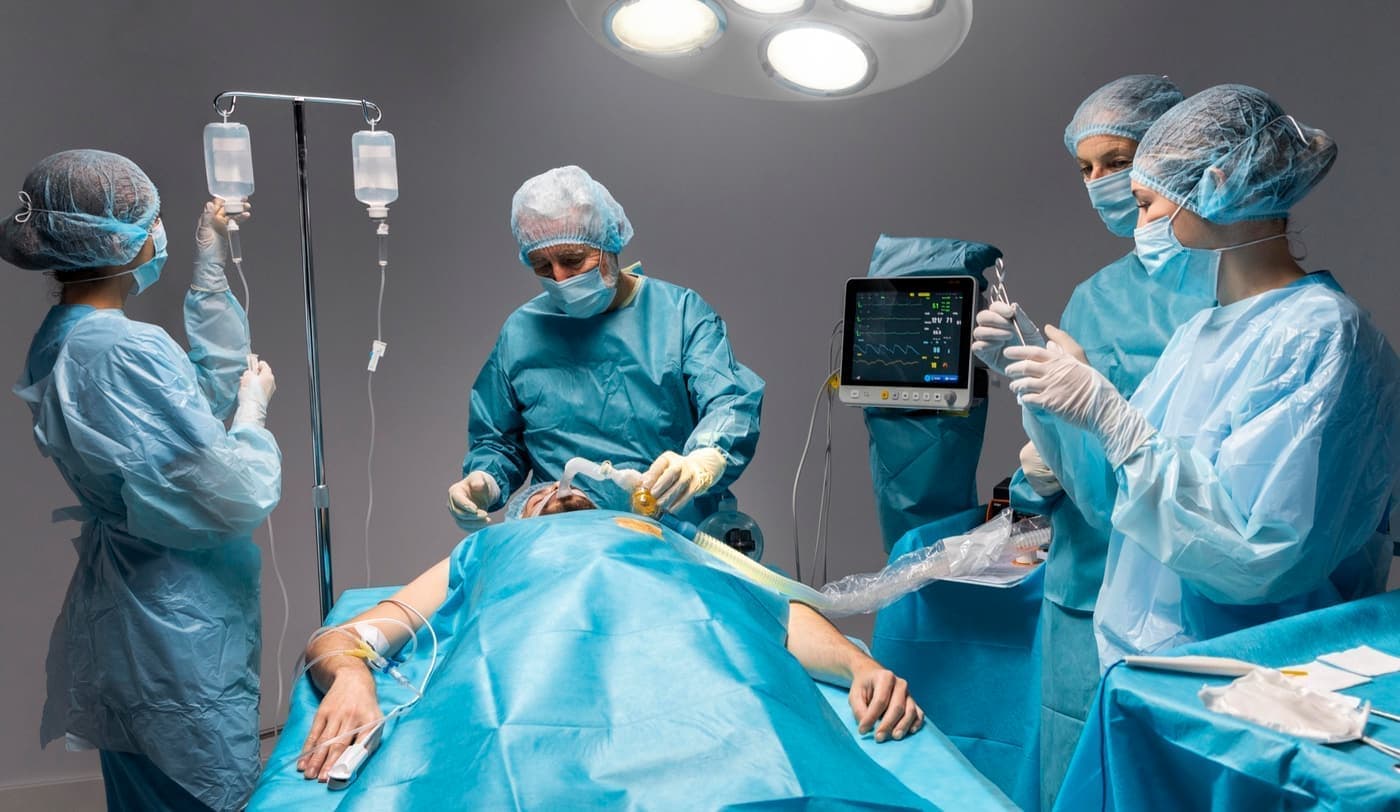
Mr Daulatzai has specialist expertise in the surgical management of IBD, with advanced fellowship training at St Mark's Hospital London. Options include colectomy with ileal pouch-anal anastomosis (restorative proctocolectomy) for suitable patients with ulcerative colitis, colectomy with end ileostomy in urgent or selected settings, strictureplasty and bowel resection for Crohn's disease to preserve bowel length, and surgery for complications including abscess, fistula, and perforation.
Minimally invasive and robotic techniques are used where appropriate. I explain staged procedures, temporary stoma if required, expected recovery, and long-term functional outcomes before surgery.
Close collaboration with gastroenterology ensures surgical decisions are made with full understanding of your medical history and treatment goals.
Recovery and long-term care
Recovery after IBD surgery varies with the extent of resection and whether a stoma is formed. Specialist stoma nurses support appliance management and confidence during recovery. For pouch surgery, function develops over time and requires structured follow-up.
Long-term surveillance and medical management continue in partnership with your gastroenterology team. My aim is to restore quality of life with a clear, supported pathway from consultation through to recovery.
Your consultation
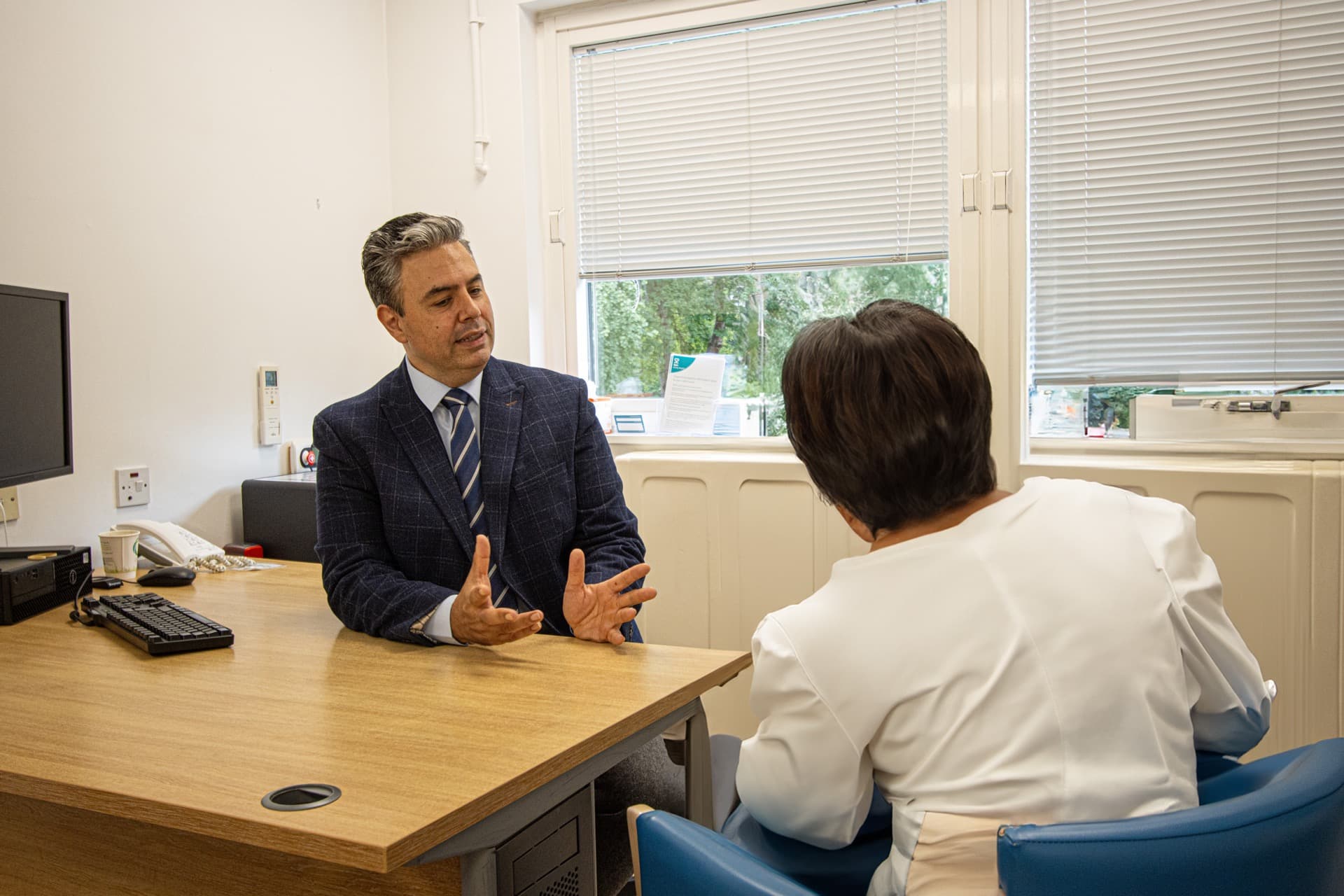
If you are considering surgery for IBD or have been advised to see a colorectal surgeon, specialist assessment clarifies options and timing. Appointments are available through NHS referral and private practice.
Contact my team to arrange a consultation and discuss your personalised surgical plan.
Frequently asked questions
Will I need a stoma after bowel surgery?
Not all bowel operations require a stoma. Where a stoma is a possibility, this will be discussed with you in detail before surgery. In many cases a stoma is temporary and can be reversed at a later date once healing is complete. Mr Daulatzai will always explain clearly whether a stoma is anticipated and what the plan will be.
How long will I need off work after surgery?
Recovery times vary depending on the procedure. As a general guide:
• Minor procedures (haemorrhoid banding, anal procedures): one to three days.
• Robotic or laparoscopic bowel surgery: two to four weeks, depending on the nature of the operation and your occupation.
• Open surgery: four to six weeks.
Mr Daulatzai will give you personalised guidance on expected recovery at your consultation and again before your procedure.
How quickly can I be seen?
Private patients can typically be seen within one week. Please contact the secretary directly to check current availability.