What is an appendicectomy?
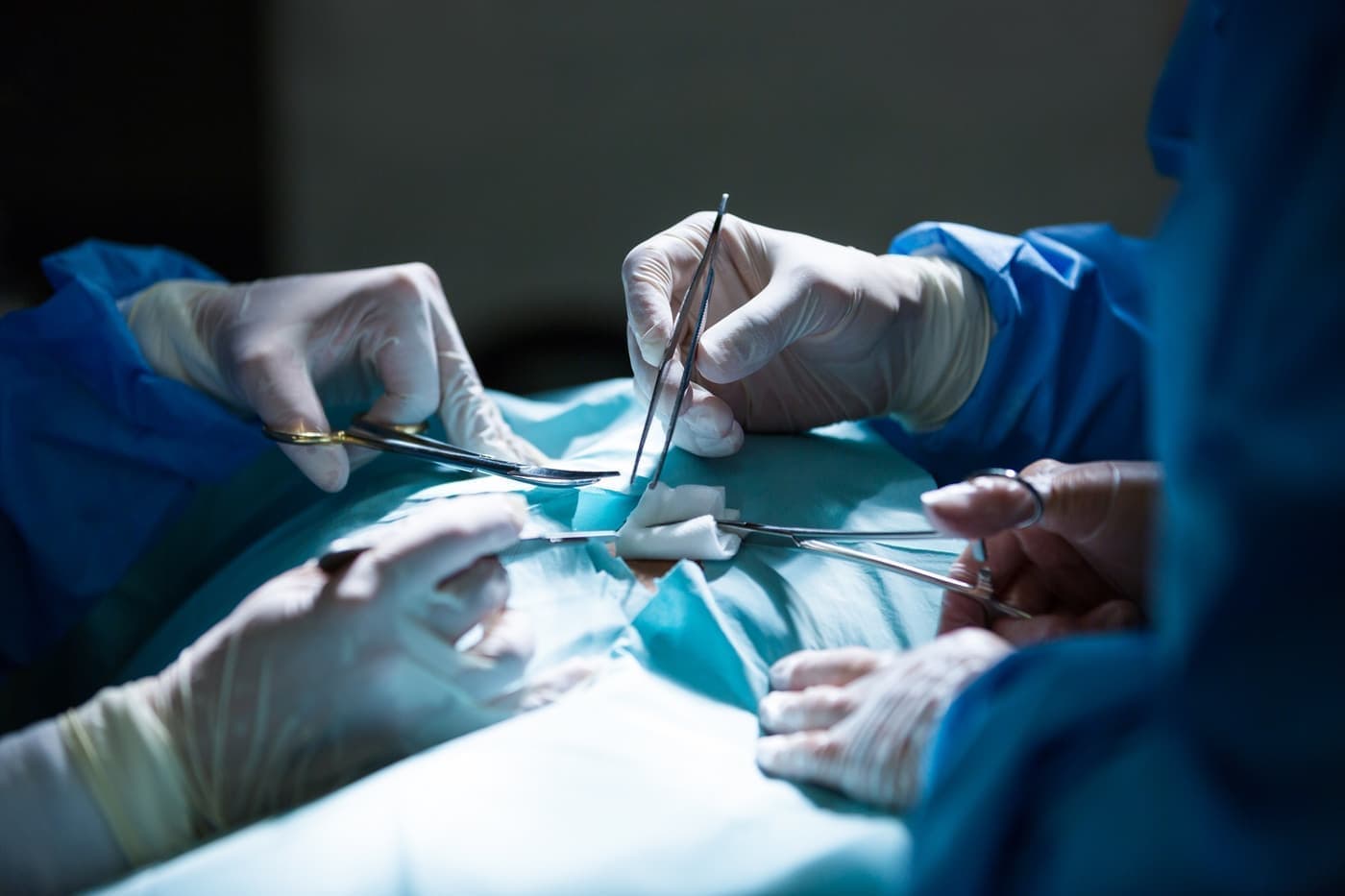
Appendicectomy is the surgical removal of the appendix, most commonly performed as an emergency for acute appendicitis. Mr Daulatzai performs appendicectomy using both robotic and laparoscopic minimally invasive approaches, resulting in less post-operative pain, a shorter hospital stay, and a faster return to normal activities compared to open surgery.
Symptoms and when to seek help
Acute appendicitis typically presents with abdominal pain that often begins near the umbilicus and migrates to the lower right abdomen, accompanied by nausea, reduced appetite, and sometimes fever. Pain may worsen with movement or coughing.
Appendicitis requires prompt medical assessment. Delay increases the risk of perforation and abscess formation. Seek urgent review if you have worsening abdominal pain with fever, vomiting, or inability to tolerate fluids.
Surgical treatment
Appendicectomy is the surgical removal of the appendix, most commonly performed as an emergency for acute appendicitis. Mr Daulatzai performs appendicectomy using robotic and laparoscopic minimally invasive approaches, resulting in less post-operative pain, a shorter hospital stay, and faster return to normal activities compared with open surgery.
Diagnosis is confirmed through clinical assessment and often imaging such as ultrasound or CT. When surgery is indicated, minimally invasive removal allows smaller incisions and quicker recovery. I discuss the operation, hospital stay, and return to work or study before proceeding where time allows in urgent settings.
Recovery and follow-up
Most patients after laparoscopic appendicectomy return home within 24 hours and resume normal activities within one to two weeks, depending on the severity of infection and type of work. I provide guidance on wound care, pain management, and signs of complication to watch for at home.
If the appendix has perforated, recovery may take longer and antibiotics may continue after discharge. Follow-up ensures complete recovery.
Your consultation
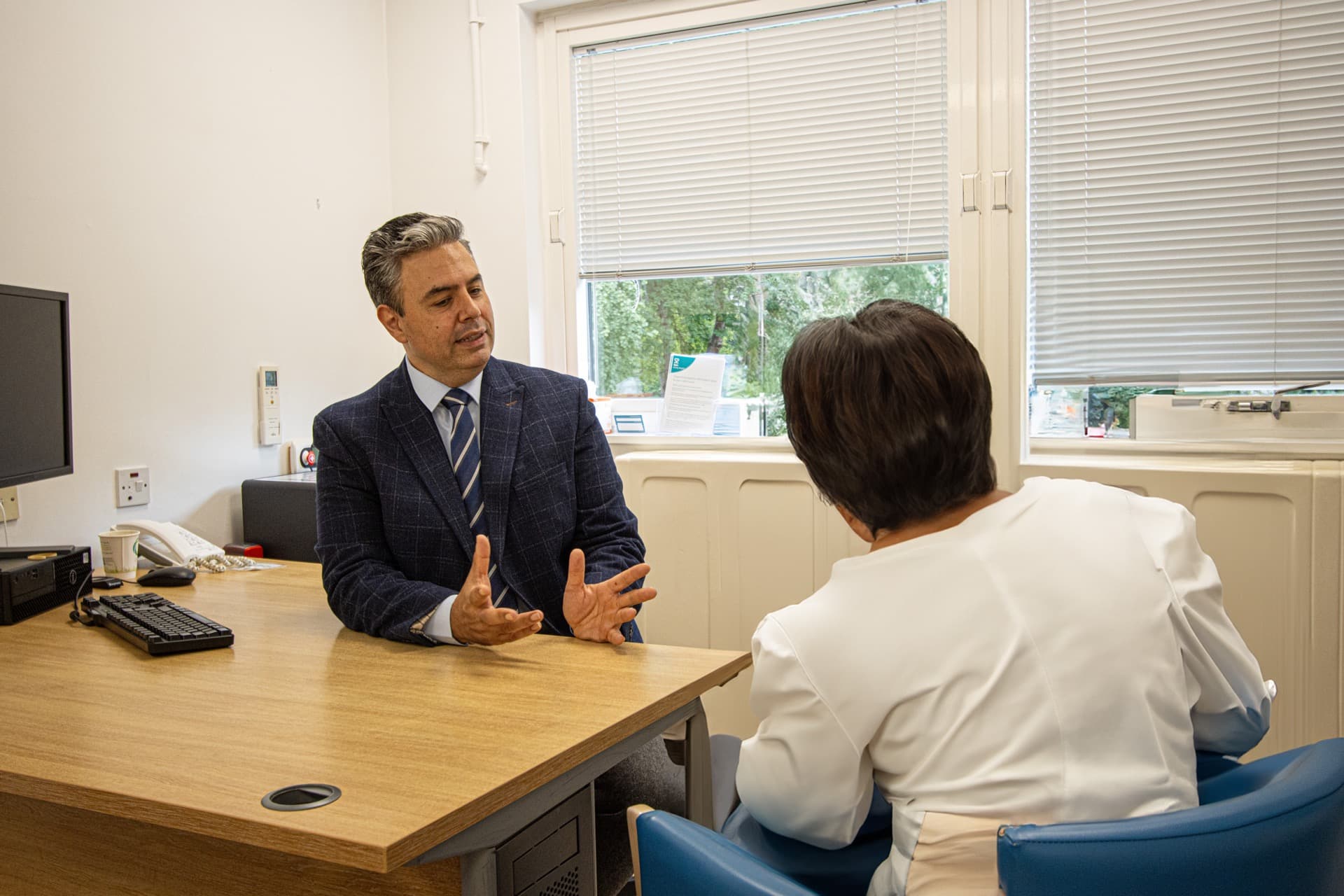
Suspected appendicitis requires urgent assessment. For planned or follow-up surgical review after appendicitis, appointments are available through NHS referral and private practice.
Contact my team for emergency or elective surgical assessment as appropriate to your situation.
Frequently asked questions
Will I need a stoma after bowel surgery?
Not all bowel operations require a stoma. Where a stoma is a possibility, this will be discussed with you in detail before surgery. In many cases a stoma is temporary and can be reversed at a later date once healing is complete. Mr Daulatzai will always explain clearly whether a stoma is anticipated and what the plan will be.
How long will I need off work after surgery?
Recovery times vary depending on the procedure. As a general guide:
• Minor procedures (haemorrhoid banding, anal procedures): one to three days.
• Robotic or laparoscopic bowel surgery: two to four weeks, depending on the nature of the operation and your occupation.
• Open surgery: four to six weeks.
Mr Daulatzai will give you personalised guidance on expected recovery at your consultation and again before your procedure.
How quickly can I be seen?
Private patients can typically be seen within one week. Please contact the secretary directly to check current availability.