What is diverticular disease?
Diverticular disease occurs when small pouches (diverticula) develop in the wall of the colon. Whilst many people with diverticulosis experience no symptoms, some develop diverticulitis (inflammation or infection of the pouches), which can cause significant pain, fever, and in more serious cases, abscess, perforation, or fistula formation.
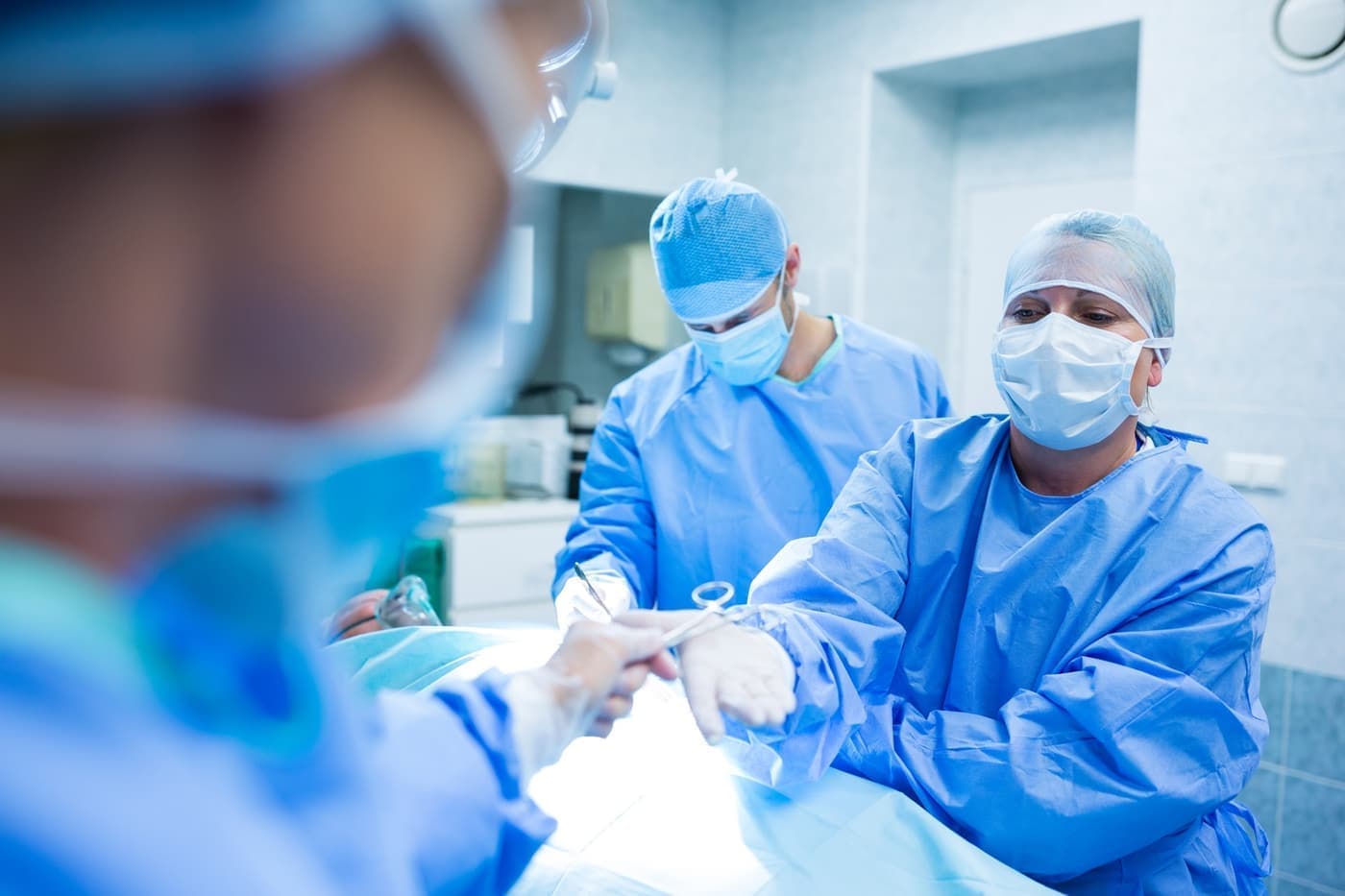
Mr Daulatzai manages the full spectrum of diverticular disease, from acute diverticulitis to complex elective surgery for recurrent or complicated cases. Where surgery is required, a robotic or laparoscopic sigmoid colectomy is performed wherever possible, offering a significantly faster recovery than open surgery.
Symptoms and when to seek help
Many people with diverticulosis (pockets in the colon wall) have no symptoms. Diverticulitis occurs when these pouches become inflamed or infected, causing left-sided abdominal pain (often lower left), fever, change in bowel habit, and sometimes nausea. Complicated disease may present with abscess, perforation, fistula, obstruction, or persistent bleeding.
Seek urgent review for severe abdominal pain with fever, inability to tolerate fluids, or symptoms suggesting obstruction. Elective specialist assessment is appropriate for recurrent diverticulitis, persistent symptoms despite treatment, or complications identified on imaging.
Medical and surgical management
Uncomplicated acute diverticulitis is often managed with antibiotics and supportive care in the first instance. Surgery is considered for recurrent episodes affecting quality of life, complicated disease (abscess not suitable for drainage alone, fistula, stricture), or when malignancy must be excluded.
Mr Daulatzai manages the full spectrum of diverticular disease. Where surgery is required, robotic or laparoscopic sigmoid colectomy is performed wherever possible, offering significantly faster recovery than open surgery. I discuss timing of surgery, stoma formation if needed, and restoration of bowel continuity.
Recovery and follow-up
Recovery after elective minimally invasive colectomy typically involves a short hospital stay and gradual return to normal diet and activity. I provide advice on wound care, diet progression, and when to resume work and exercise.
Follow-up ensures healing is progressing and addresses any concerns during recovery. The goal is durable symptom relief with the least disruptive surgical pathway for your circumstances.
Your consultation
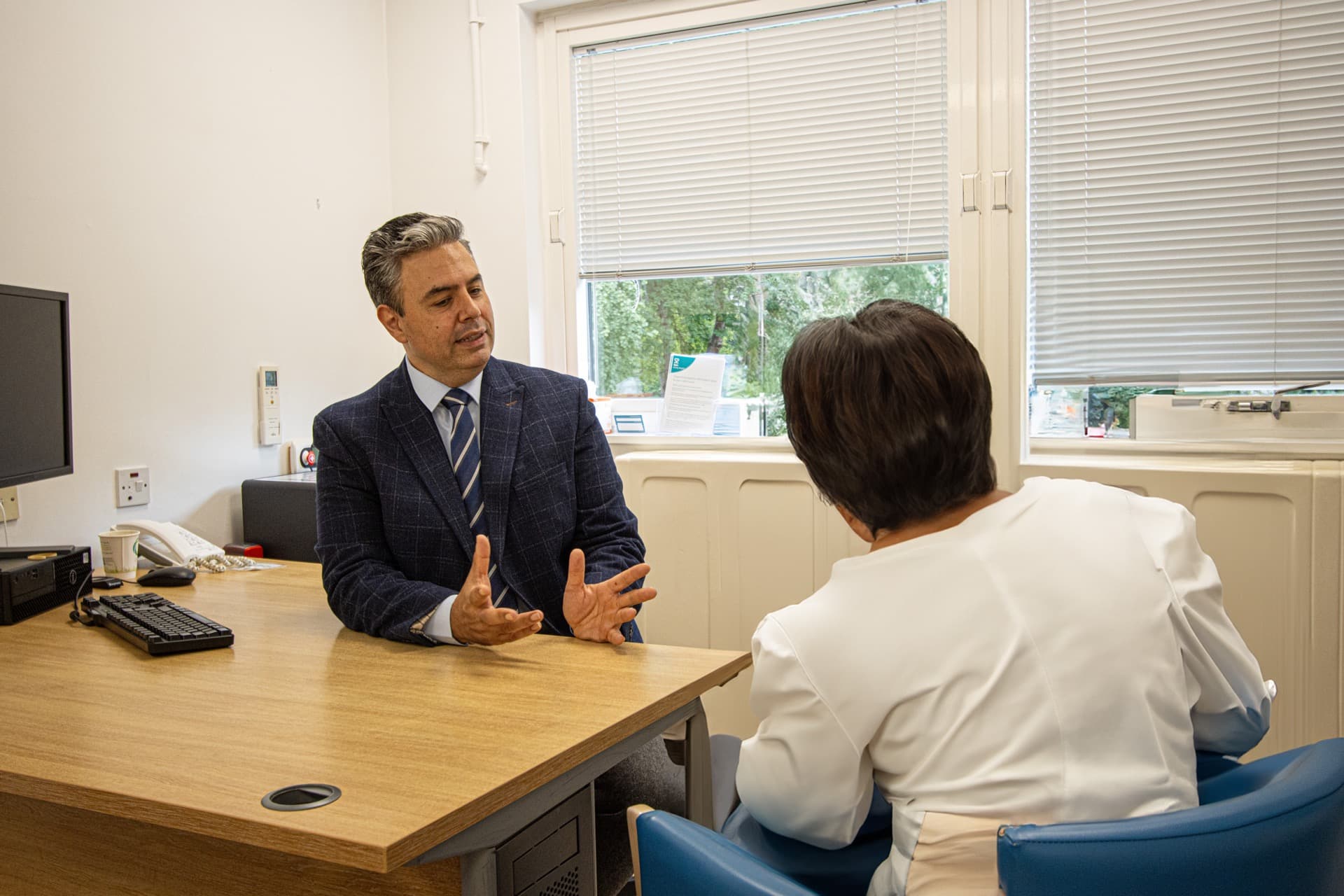
If you have recurrent diverticulitis or complicated diverticular disease, specialist assessment clarifies whether surgery is appropriate and when. Appointments are available through NHS referral and private practice.
Contact my team to arrange a consultation and personalised treatment plan.
Frequently asked questions
Will I need a stoma after bowel surgery?
Not all bowel operations require a stoma. Where a stoma is a possibility, this will be discussed with you in detail before surgery. In many cases a stoma is temporary and can be reversed at a later date once healing is complete. Mr Daulatzai will always explain clearly whether a stoma is anticipated and what the plan will be.
How long will I need off work after surgery?
Recovery times vary depending on the procedure. As a general guide:
• Minor procedures (haemorrhoid banding, anal procedures): one to three days.
• Robotic or laparoscopic bowel surgery: two to four weeks, depending on the nature of the operation and your occupation.
• Open surgery: four to six weeks.
Mr Daulatzai will give you personalised guidance on expected recovery at your consultation and again before your procedure.
How quickly can I be seen?
Private patients can typically be seen within one week. Please contact the secretary directly to check current availability.