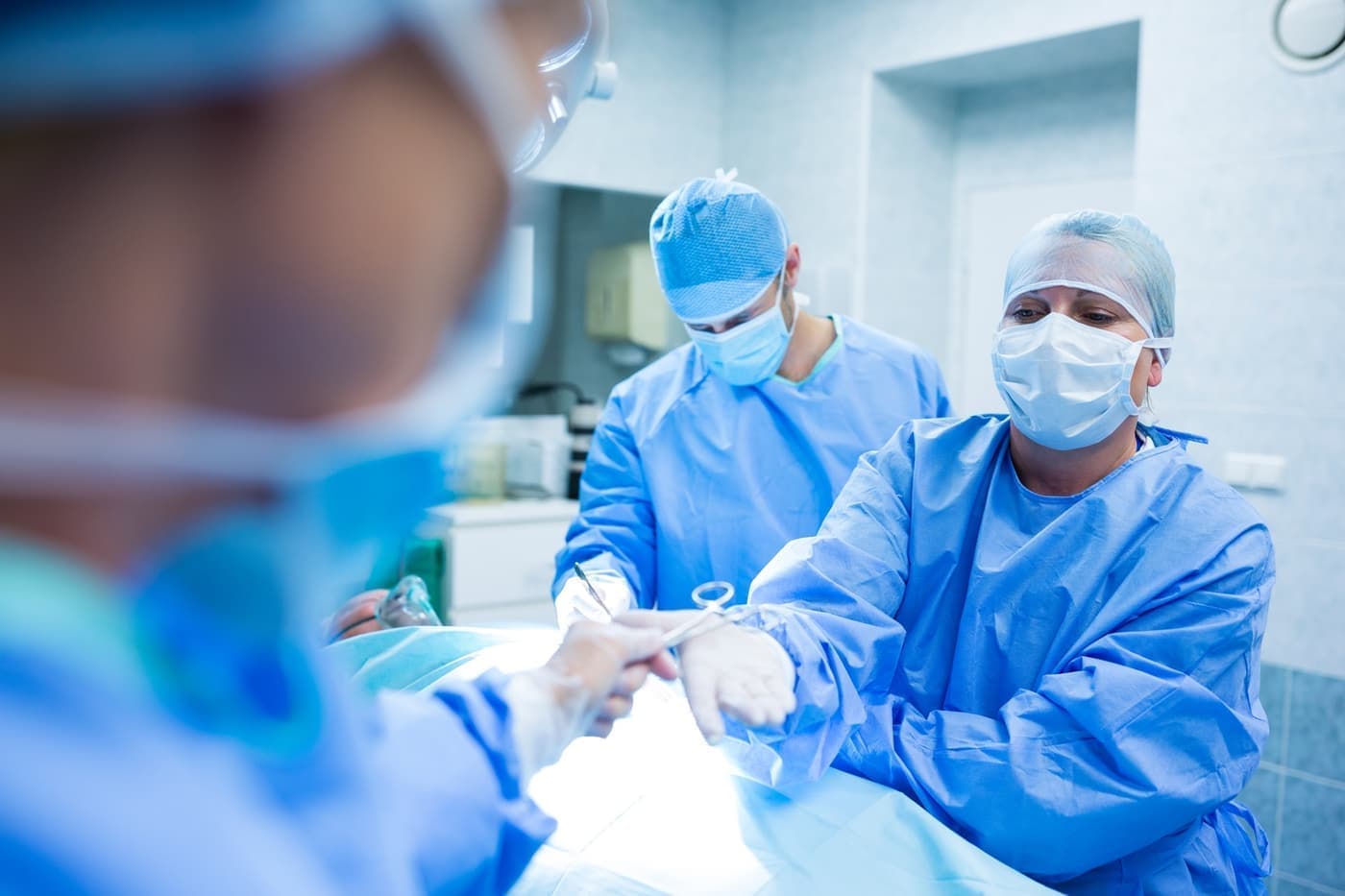
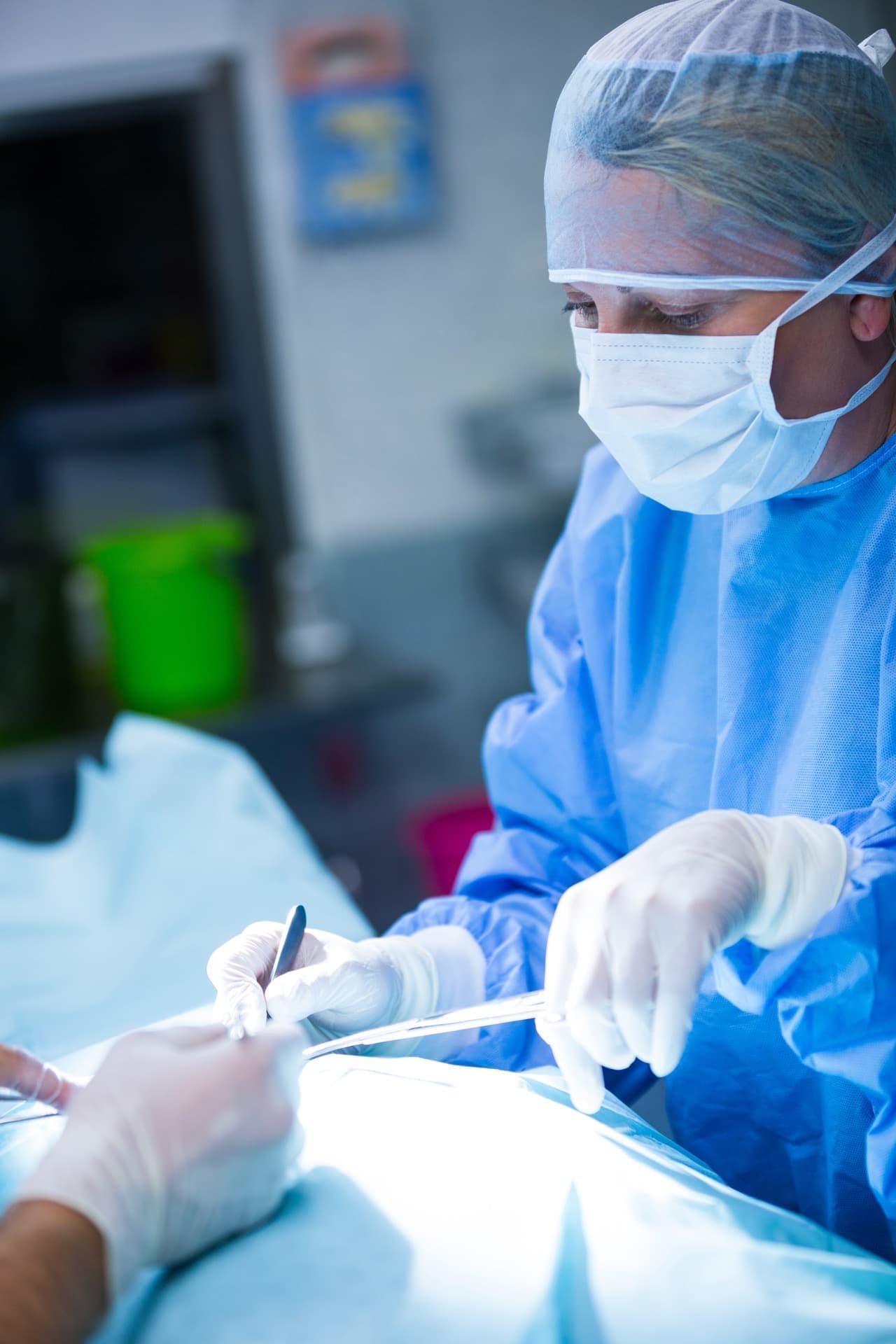
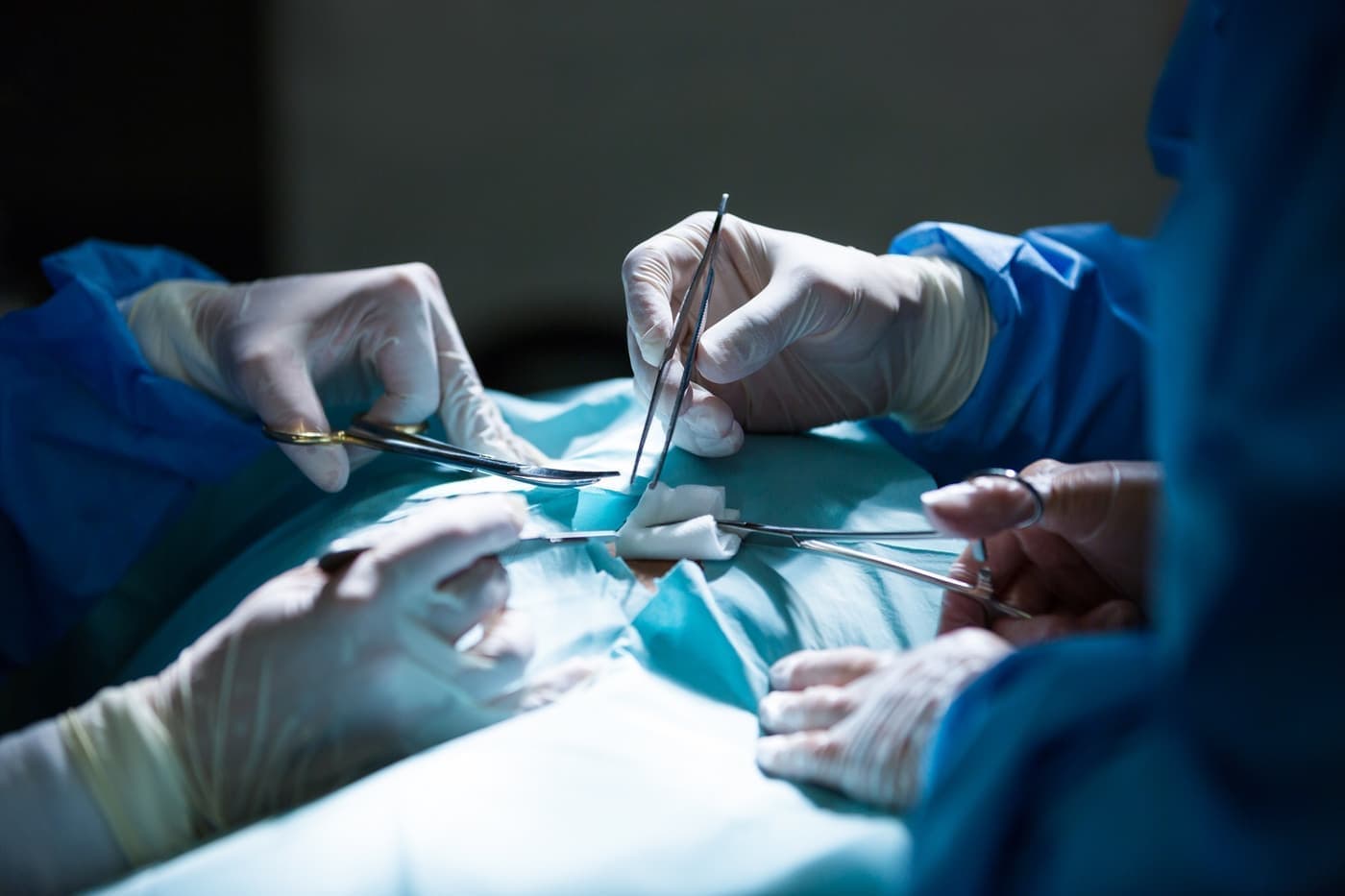
Colorectal surgery addresses conditions of the colon and rectum, including cancer, inflammatory bowel disease, diverticular disease, and complex reconstructive procedures. Mr Najib Daulatzai offers robotic and laparoscopic techniques through NHS and private practice.
Colorectal Surgery
Colorectal surgery addresses conditions affecting the colon, rectum, and anus, ranging from cancer and inflammatory bowel disease to diverticular disease and complex reconstructive procedures. Mr Najib Daulatzai provides specialist surgical care across London and Hertfordshire, combining advanced robotic and laparoscopic techniques with multidisciplinary team working to achieve the best outcomes for each patient.
Every pathway begins with careful assessment, clear explanation of findings, and a personalised plan developed in collaboration with gastroenterology, oncology, radiology, and specialist nursing colleagues where appropriate. Whether your care is urgent or elective, the focus remains on precise surgery, structured recovery, and long-term follow-up.
Colorectal Cancer
Colorectal cancer is one of the most common cancers in the UK, affecting the colon or rectum. When detected early, outcomes are excellent, and even in more advanced cases, significant improvements in surgical technique and systemic therapy mean that effective treatment is possible.
Mr Daulatzai has specialist expertise in the surgical management of colorectal cancer, including robotic and laparoscopic resections of the colon and rectum. He works as part of a multidisciplinary team (MDT), collaborating closely with oncologists, radiologists, and specialist nurses to ensure every patient receives a comprehensive, personalised treatment plan.
Procedures performed include:
• Right hemicolectomy: removal of the right side of the colon, used for cancers of the caecum and ascending colon.
• Left hemicolectomy: removal of the left side of the colon for cancers of the descending colon.
• Sigmoid colectomy: removal of the sigmoid colon, one of the most common sites for colorectal cancer.
• Anterior resection: removal of the upper rectum, preserving normal bowel continuity wherever possible.
• Low anterior resection: removal of the lower rectum for rectal cancers, with bowel reconnection performed using advanced surgical techniques.
• Abdominoperineal resection (APR), performed for low rectal cancers where bowel continuity cannot be safely preserved, resulting in a permanent stoma.
• Total and subtotal colectomy: removal of the entire or near-entire colon, used in selected cases including synchronous cancers or in the emergency setting.
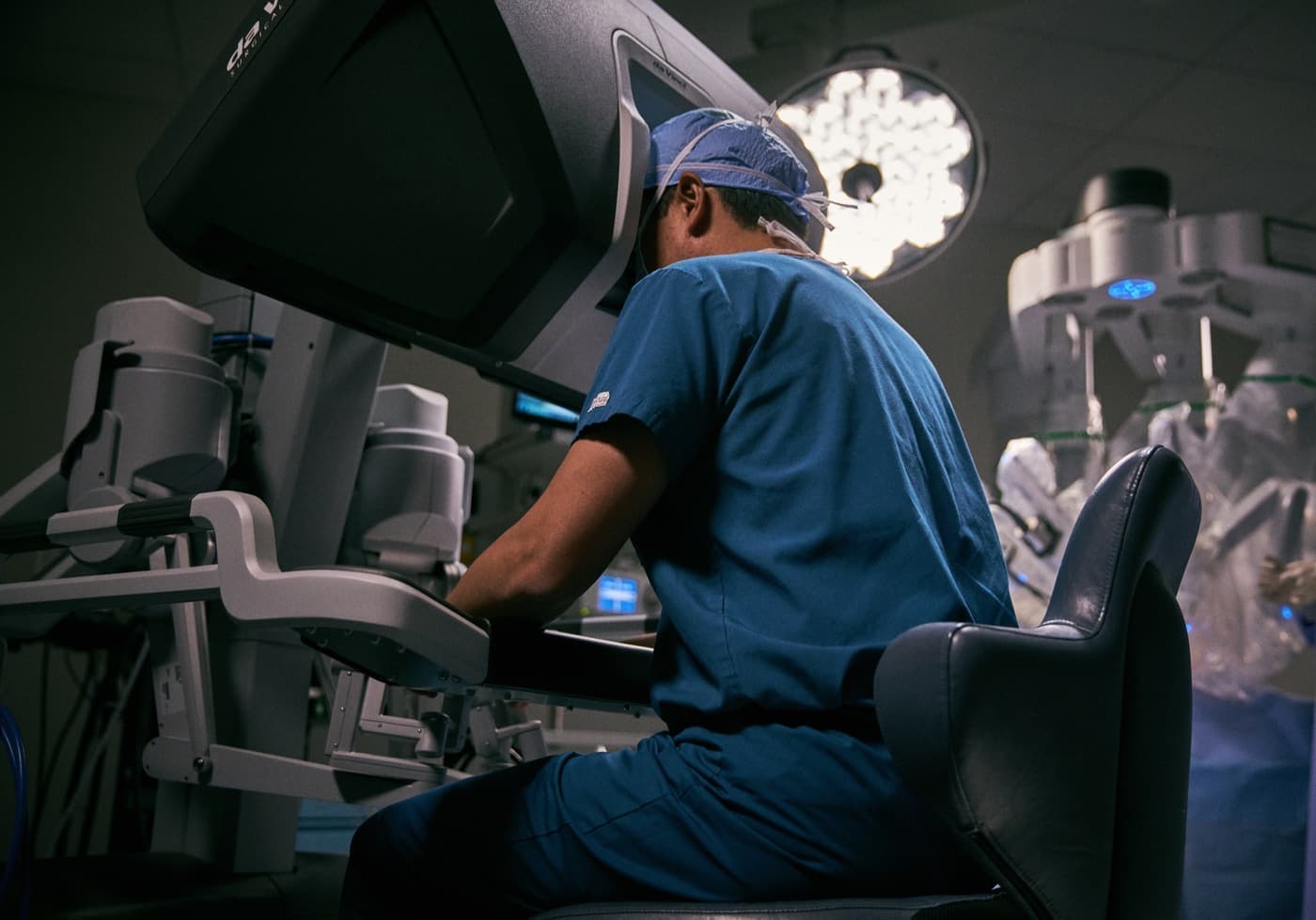
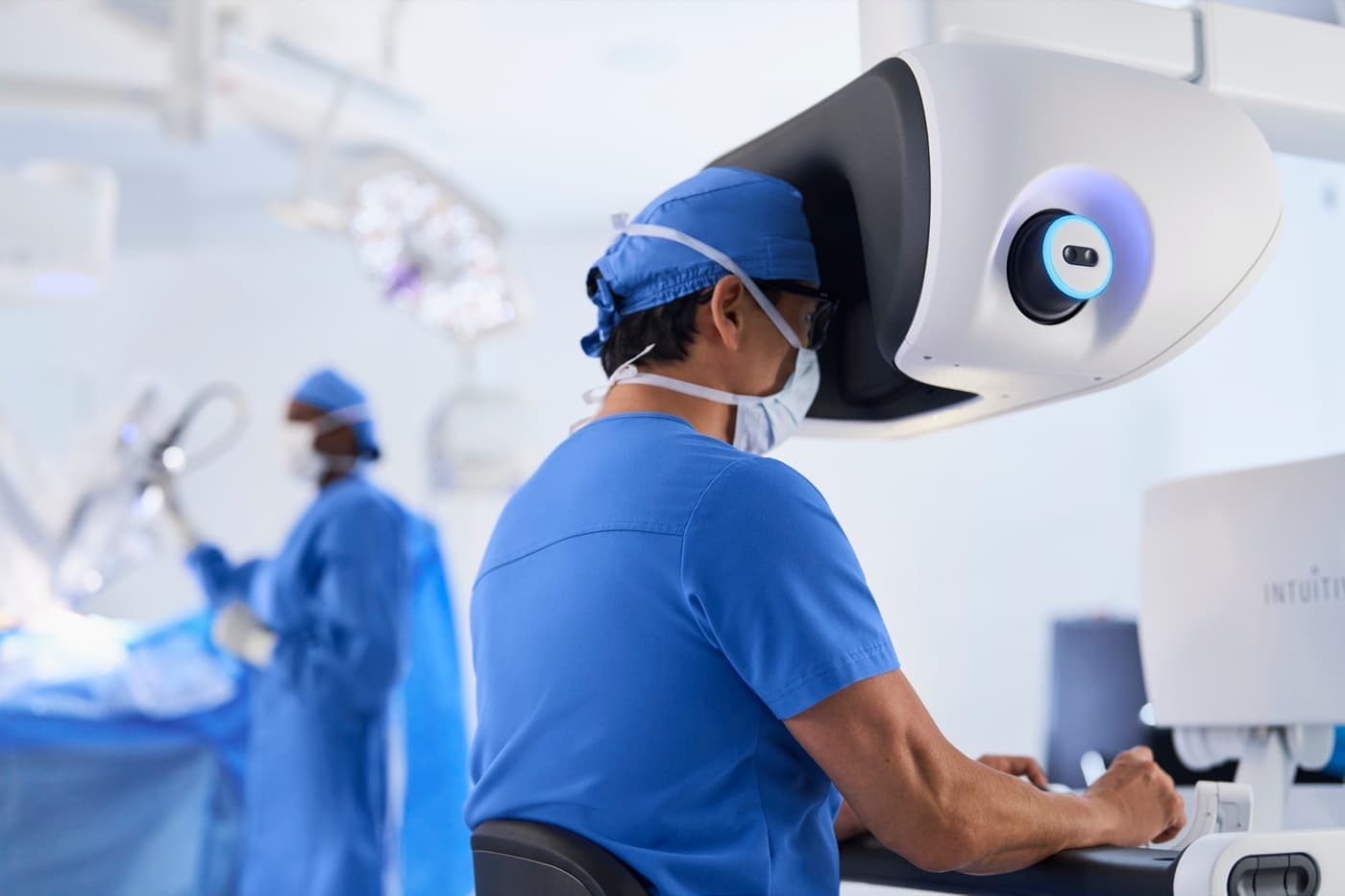
Mr Daulatzai's robotic approach to colorectal cancer surgery offers superior visualisation deep in the pelvis, enhanced precision, reduced blood loss, and faster recovery compared to open surgery, meaning patients can begin any further treatment sooner.
Before surgery, staging investigations and MDT discussion ensure the recommended operation fits within your overall treatment plan. I explain the expected hospital stay, recovery milestones, and any need for stoma formation or additional therapy. Follow-up remains coordinated with oncology and specialist nursing teams to support you through treatment and surveillance.
Inflammatory Bowel Disease (IBD)
Inflammatory bowel disease (encompassing Crohn's disease and ulcerative colitis) is a chronic condition causing inflammation of the digestive tract. Whilst medical management is the mainstay of treatment, surgery is required in a significant proportion of patients, either due to disease that is refractory to medication, or as a result of complications.
Mr Daulatzai has specialist expertise in the surgical management of IBD, with advanced fellowship training at St Mark's Hospital London, one of the world's leading centres for intestinal disease. Surgical options include:
• Colectomy and ileal pouch-anal anastomosis (restorative proctocolectomy), for suitable patients with ulcerative colitis, this procedure removes the colon and rectum and creates an internal pouch from the small bowel, avoiding the need for a permanent stoma.
• Colectomy with end ileostomy, used in the emergency or urgent setting, or where a pouch procedure is not appropriate.
• Strictureplasty and bowel resection for Crohn's disease, aimed at preserving as much bowel as possible whilst relieving obstruction and removing the most severely affected segments.
• Surgery for IBD complications, including abscess drainage, fistula repair, and management of perforation or haemorrhage.
Mr Daulatzai works closely with gastroenterology colleagues to ensure surgical decisions are made within a fully informed MDT framework, with every effort made to time surgery optimally and minimise its impact on the patient's quality of life.
Surgery for IBD is planned carefully to balance disease control with preservation of bowel function. I discuss the role of minimally invasive and robotic techniques, expected recovery, and long-term follow-up including stoma care where relevant. My aim is to help you regain quality of life with a clear, supported pathway from consultation through to recovery.
Pouch Surgery (Ileal Pouch-Anal Anastomosis)
An ileal pouch-anal anastomosis (IPAA), commonly known as a J-pouch, is a complex surgical procedure most commonly performed for patients with ulcerative colitis or familial adenomatous polyposis (FAP) who require removal of the colon and rectum. Rather than a permanent stoma, a pouch is created from the small bowel and connected to the anal canal, allowing patients to maintain bowel continuity and avoid a permanent bag.
Mr Daulatzai performs pouch surgery using robotic techniques, offering patients the benefits of minimally invasive surgery even for this technically demanding procedure. He trained in pouch surgery at St Mark's Hospital London, one of the world's foremost centres for intestinal failure and pouch surgery, and has experience managing both primary pouch formation and complications of existing pouches.
Pouch surgery is typically performed in two or three stages depending on the clinical circumstances, and Mr Daulatzai will guide you through each step of the process with clear, personalised advice at every stage.
Assessment before pouch surgery includes review of anal sphincter function, previous treatments, and fitness for staged procedures. I explain the role of a temporary ileostomy, expected recovery between stages, and how pouch function develops over time. For patients with pouch-related complications, specialist evaluation and revision options are discussed in detail.
Diverticular Disease
Diverticular disease occurs when small pouches (diverticula) develop in the wall of the colon. Whilst many people with diverticulosis experience no symptoms, some develop diverticulitis (inflammation or infection of the pouches), which can cause significant pain, fever, and in more serious cases, abscess, perforation, or fistula formation.
Mr Daulatzai manages the full spectrum of diverticular disease, from acute diverticulitis to complex elective surgery for recurrent or complicated cases. Where surgery is required, a robotic or laparoscopic sigmoid colectomy is performed wherever possible, offering a significantly faster recovery than open surgery.
Acute diverticulitis may be managed initially with antibiotics and supportive care, with surgery reserved for complications or recurrent episodes affecting quality of life. When operation is needed, I plan the resection to restore bowel continuity safely and discuss recovery, diet, and follow-up. My priority is durable symptom relief with the least disruptive surgical pathway for your circumstances.
Booking a Colorectal Consultation
If you have been diagnosed with or are concerned about a colorectal condition, specialist assessment ensures timely, appropriate care. Appointments are available through NHS referral and private practice at locations across London and Hertfordshire.
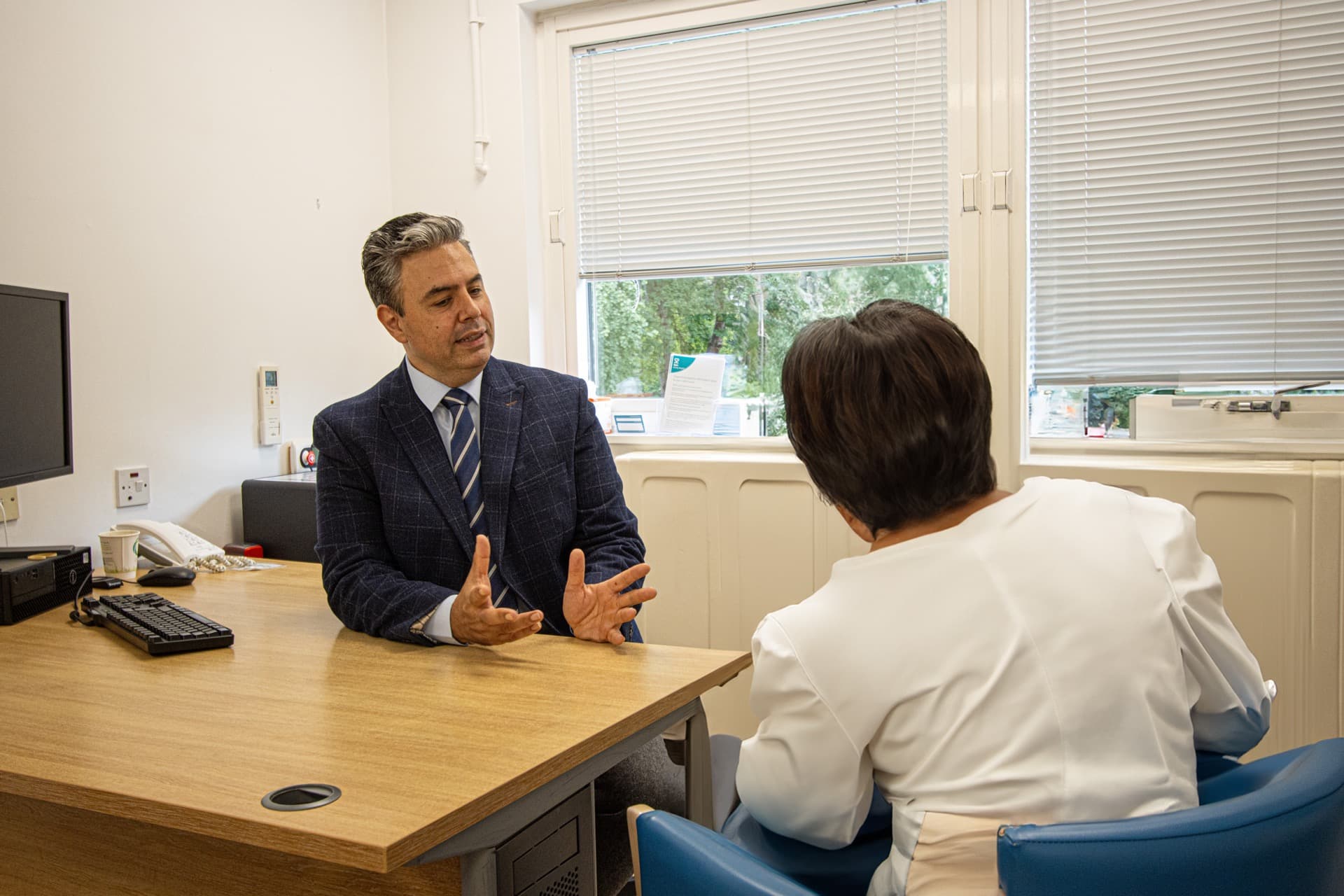
Your consultation includes a full history, examination, and discussion of investigations such as colonoscopy, imaging, or blood tests already performed or still required. I explain surgical and non-surgical options clearly so you can make informed decisions with confidence.
Contact my team to arrange a consultation and begin a personalised treatment pathway tailored to your condition and goals.
Stoma Formation and Reversal
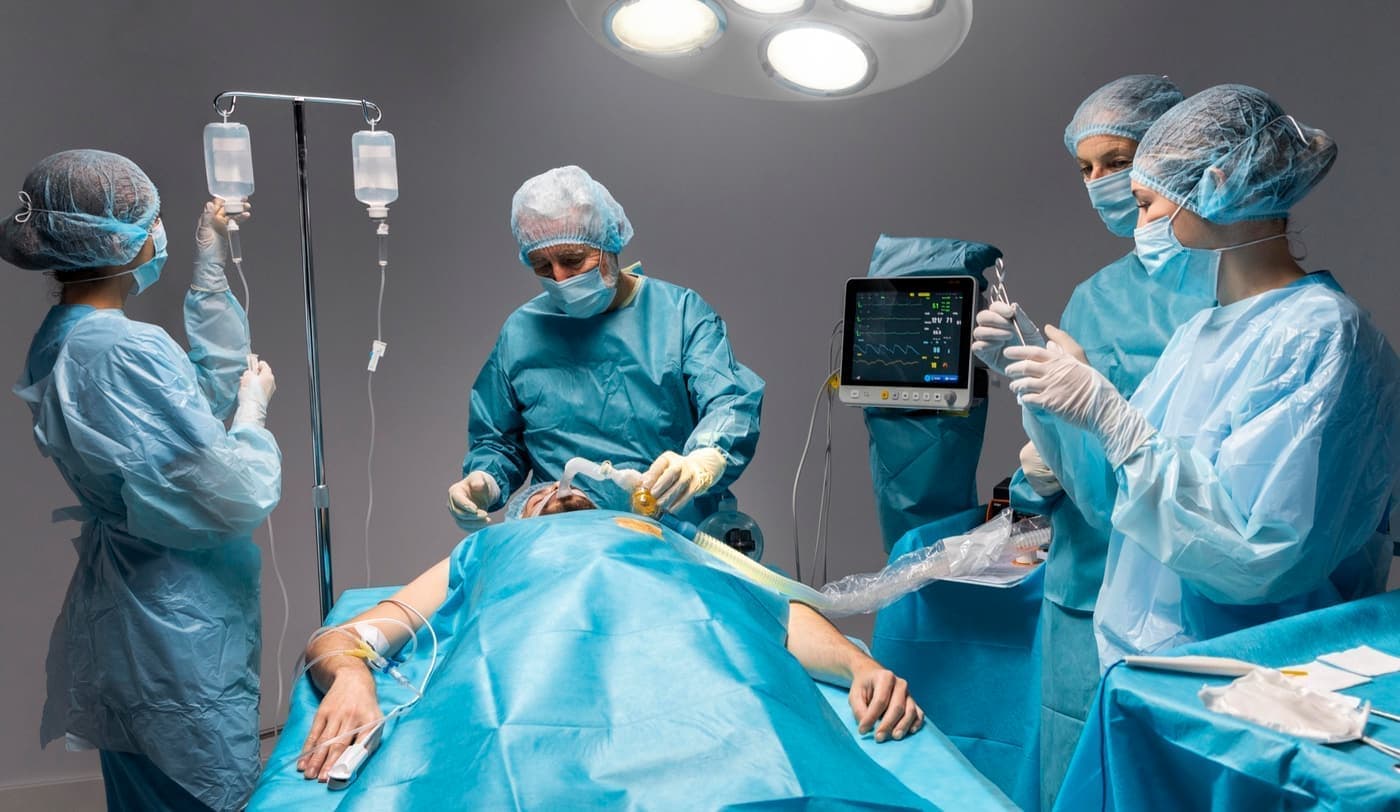
A stoma is a surgical opening created in the abdominal wall to divert the bowel, usually following resection of the colon or rectum, or in the management of bowel obstruction or perforation. Mr Daulatzai performs both ileostomy and colostomy formation as part of planned and emergency colorectal procedures. Where a temporary stoma has been formed, reversal surgery to restore bowel continuity is offered once the patient has recovered and conditions are appropriate.
Stoma surgery is discussed in detail before your operation, including stoma site marking, expected function, and support from specialist stoma nurses. I work closely with stoma care teams to ensure practical advice on appliances, lifestyle, and confidence with stoma management from the early post-operative period.
Reversal surgery requires assessment of healing, nutritional status, and suitability for restoring bowel continuity. I explain the timing of reversal, potential risks, and expected recovery so you can plan your return to normal activities with realistic expectations and ongoing specialist support.
Appendicectomy
Appendicectomy is the surgical removal of the appendix, most commonly performed as an emergency for acute appendicitis. Mr Daulatzai performs appendicectomy using both robotic and laparoscopic minimally invasive approaches, resulting in less post-operative pain, a shorter hospital stay, and a faster return to normal activities compared to open surgery.
Acute appendicitis typically presents with abdominal pain requiring prompt assessment and often imaging to confirm the diagnosis. When surgery is indicated, minimally invasive removal allows smaller incisions and quicker recovery. I discuss the operation, hospital stay, and return to work or study before proceeding.
If you have symptoms suggestive of appendicitis or have been advised to consider appendicectomy, seek urgent or specialist review without delay. Early treatment reduces the risk of perforation and complications. Contact my team for emergency or planned surgical assessment as appropriate to your clinical situation.