
Proctology focuses on conditions affecting the anus, rectum, and surrounding tissues. Mr Najib Daulatzai provides comprehensive assessment and surgical management for a wide range of proctological conditions through both NHS and private practice.
Understanding Proctology
Proctology is the branch of colorectal surgery dedicated to conditions affecting the anus, rectum, and perianal region. These problems are common, yet many patients delay seeking help because of embarrassment or uncertainty about treatment. As a consultant colorectal and general surgeon, I provide clear, confidential assessment and evidence-based care for proctological conditions across London and Hertfordshire through both NHS and private practice.
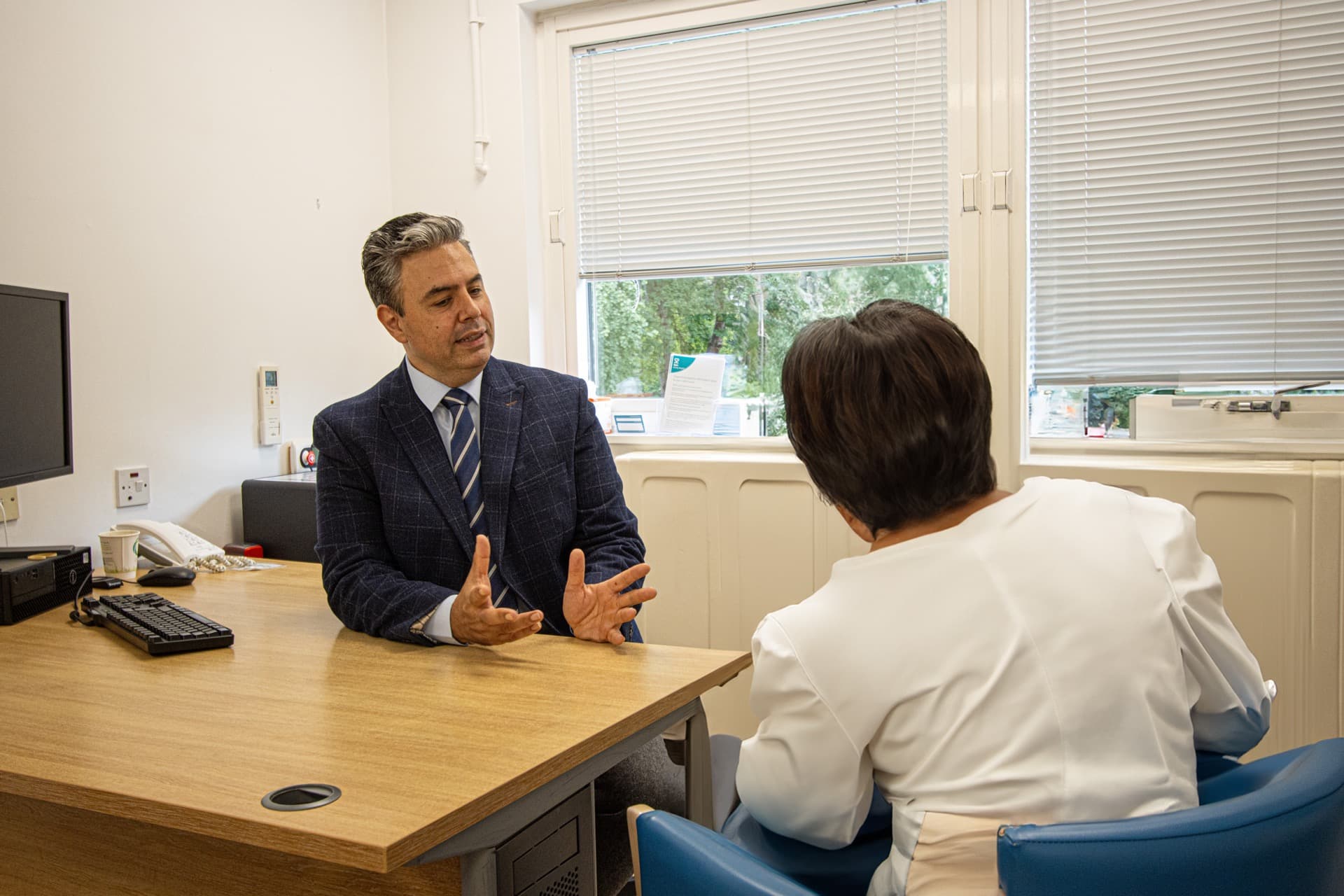
Every consultation begins with a detailed history and careful examination tailored to your symptoms. I take time to explain the diagnosis, discuss all available options, and agree a treatment plan that respects your preferences and daily life. Whether your condition requires conservative management, outpatient treatment, or surgery, my priority is to relieve symptoms safely and support a confident recovery.
Proctological symptoms such as bleeding, pain, itching, discharge, or a lump near the anus should never be ignored. While many conditions are benign, similar symptoms can occasionally indicate more serious pathology. A specialist assessment ensures the correct diagnosis and appropriate investigation from the outset.
Haemorrhoids
Haemorrhoids, also known as piles, are swollen blood vessels in the anal canal. They are extremely common and may cause bleeding, prolapse, discomfort, itching, or a feeling of incomplete emptying after bowel movements. Haemorrhoids are graded according to severity, and treatment is matched to the grade and impact on your quality of life.
Many patients respond well to dietary modification, improved bowel habit, and topical treatments. When symptoms persist, outpatient procedures such as rubber band ligation or sclerotherapy may be appropriate. These treatments aim to shrink haemorrhoids with minimal disruption and are often performed during a clinic appointment.
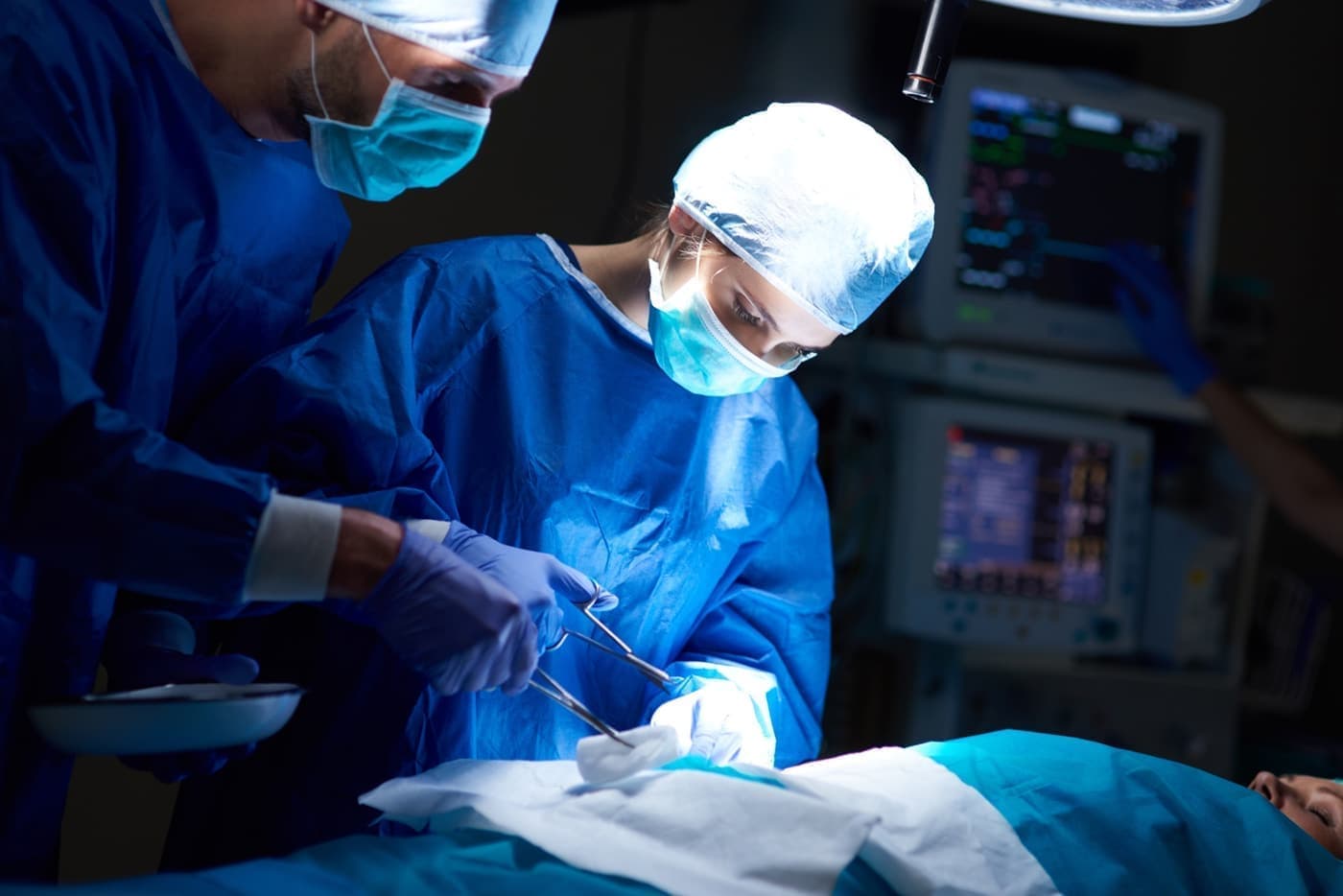
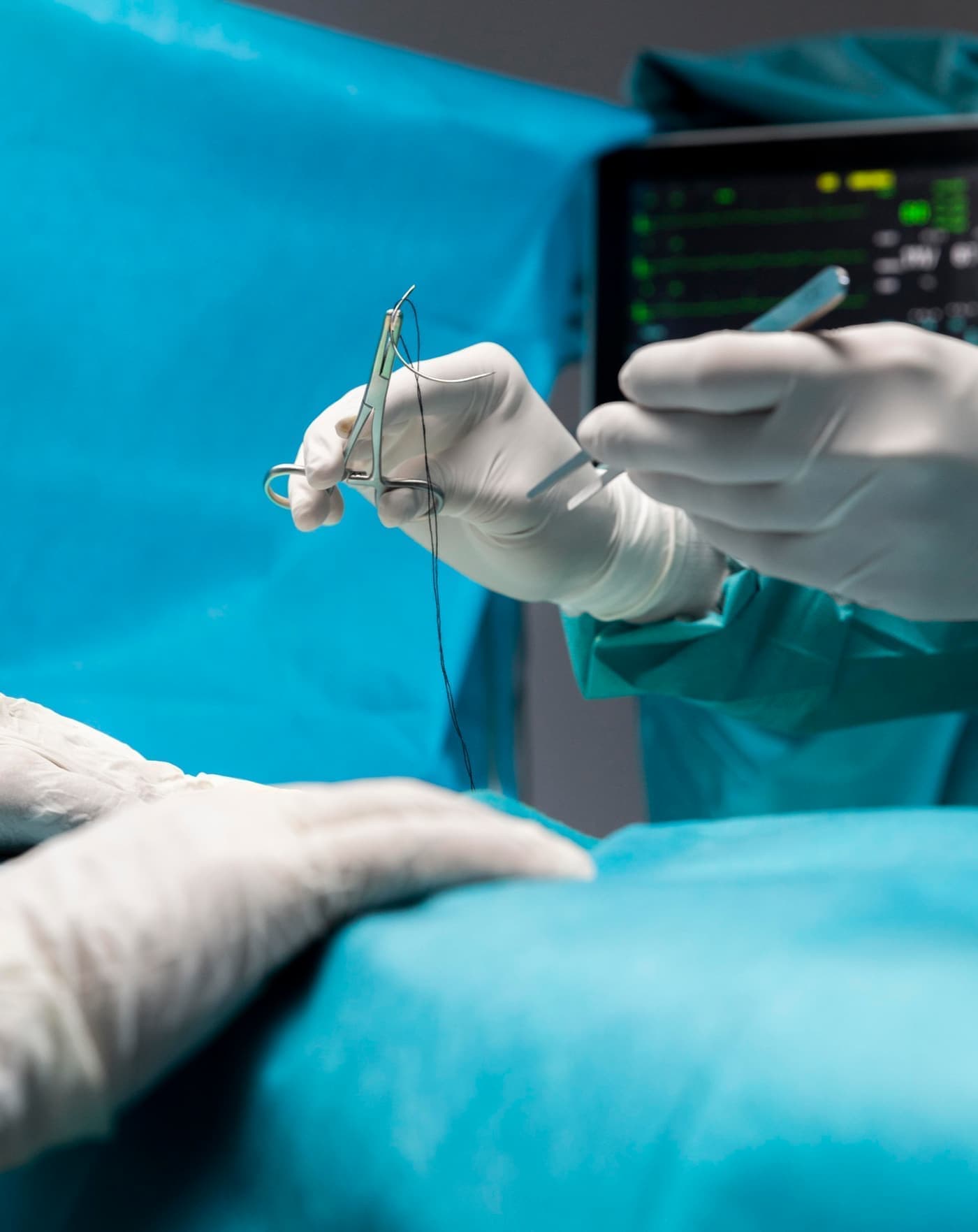
Surgical haemorrhoidectomy or stapled haemorrhoidopexy may be recommended for larger or recurrent haemorrhoids that have not responded to less invasive measures. I discuss the benefits, recovery profile, and expected outcomes of each approach so you can make an informed decision. My surgical technique emphasises precise tissue handling to reduce post-operative pain and promote healing.
Recovery after haemorrhoid surgery varies depending on the procedure performed. I provide structured follow-up and practical advice on wound care, pain management, and bowel habit during the healing period. Most patients see significant improvement in symptoms and are able to return to normal activities within a defined recovery window discussed before surgery.
Anal Fissures
An anal fissure is a small tear in the lining of the anal canal, typically causing sharp pain during and after bowel movements, sometimes accompanied by bright red bleeding on the toilet paper. Acute fissures often heal with conservative measures, while chronic fissures may require additional treatment when symptoms last beyond several weeks.
Initial management focuses on softening stools, relieving spasm, and allowing the tear to heal naturally. Topical treatments that relax the internal anal sphincter are commonly used. I review progress carefully and adjust treatment if healing is slow or symptoms remain troublesome.
When conservative treatment is unsuccessful, botulinum toxin injection or surgical lateral sphincterotomy may be considered. These interventions reduce sphincter spasm and create conditions favourable for healing. I explain the rationale, success rates, and potential risks of each option in plain language before proceeding.
Anal Fistulas
An anal fistula is an abnormal tunnel connecting the anal canal to the skin near the anus, often developing after an anal abscess. Symptoms may include persistent discharge, recurrent swelling, pain, and irritation. Fistula surgery requires specialist expertise because treatment must eradicate the fistula while preserving continence.
Assessment includes clinical examination and often imaging such as MRI or endoanal ultrasound to map the fistula tract accurately. This planning stage is essential to select the most appropriate surgical strategy and reduce the risk of recurrence or complications.
Treatment options include fistulotomy, seton placement, advancement flaps, and ligation of the intersphincteric fistula tract (LIFT), among others. The choice depends on fistula type, sphincter involvement, and individual patient factors. I tailor surgery to balance effective cure with long-term functional preservation.
Recovery and follow-up after fistula surgery are discussed in detail before your procedure. Some patients require staged treatment, particularly for complex fistulas. I remain closely involved throughout your care pathway to monitor healing and address any concerns promptly.
Pilonidal Disease
Pilonidal disease affects the skin at the top of the buttock cleft, where hair and debris can become trapped and cause infection, swelling, and discharge. It is common in young adults and may present as an acute abscess or a chronic sinus with repeated flare-ups.
Acute abscesses usually require prompt drainage to relieve pain and infection. For recurrent or chronic disease, definitive surgery may be recommended to remove affected tissue and reduce the likelihood of further episodes. I discuss open versus closed techniques and the expected recovery for each.
Surgical management aims to remove diseased tissue while optimising wound healing and minimising recurrence. Post-operative wound care is an important part of recovery, and I provide clear guidance on hygiene, activity, and follow-up appointments to support the healing process.
Rectal Prolapse
Rectal prolapse occurs when part or all of the rectum slides out of its normal position and protrudes from the anus. It can cause significant discomfort, bowel control problems, and embarrassment, and often has a profound effect on quality of life.
Mr Daulatzai specialises in both abdominal and perineal approaches to rectal prolapse repair. For suitable patients, a minimally invasive robotic or laparoscopic approach offers excellent results with a faster recovery. The choice of procedure is discussed in detail with each patient based on their individual circumstances and fitness.
Assessment includes evaluation of prolapse size, bowel function, and overall fitness for surgery. I explain abdominal versus perineal repair options, expected recovery, and functional outcomes so you can choose a pathway aligned with your goals. Structured follow-up supports confidence during rehabilitation.
Your Consultation and Recovery
Choosing a specialist for proctological care is a personal decision. I aim to provide a respectful, professional environment where you can discuss sensitive symptoms openly. My practice is built on transparent communication, surgical expertise, and a commitment to patient-centred care.
Before any procedure, I ensure you understand the planned operation, expected recovery, and follow-up arrangements. Pre-operative assessment includes review of medications, anaesthetic planning, and discussion of any questions you or your family may have. This preparation helps reduce anxiety and supports a smoother experience on the day of treatment.
After surgery, I provide direct access to advice during the recovery period. My team coordinates follow-up appointments and monitors progress until you have returned to your usual activities. If unexpected symptoms arise, prompt review is arranged so concerns are addressed without delay.
If you are experiencing proctological symptoms, early assessment can prevent unnecessary suffering and ensure timely treatment. Appointments are available through NHS referral and private practice at locations across London and Hertfordshire. Contact my team to arrange a consultation and take the first step toward effective relief and recovery.