What is pilonidal disease?
Pilonidal disease is a chronic skin condition that develops near the tailbone, typically causing painful abscesses, cysts, or sinuses. It most commonly affects young adults and can significantly impact quality of life if left untreated.
Mr Daulatzai offers both minimally invasive and surgical treatments for pilonidal disease, including pit picking procedures and definitive excision with flap reconstruction where required. The aim is to achieve a durable cure with minimal recovery time and the lowest possible risk of recurrence.
Symptoms and when to seek help
Pilonidal disease typically affects the skin at the top of the buttock cleft (natally cleft). An acute presentation may cause sudden pain, swelling, and redness from an abscess. Chronic disease can produce intermittent discharge, a persistent sinus, or repeated flare-ups that interfere with sitting, work, and exercise.
You should seek review if you have recurrent episodes, ongoing discharge, or an abscess that has not settled. Early drainage of an acute abscess relieves pain; definitive treatment may then be planned to reduce the risk of recurrence.
Treatment options
Acute abscesses usually require prompt incision and drainage. For recurrent or chronic disease, definitive surgery removes affected tissue and reduces the likelihood of further episodes.
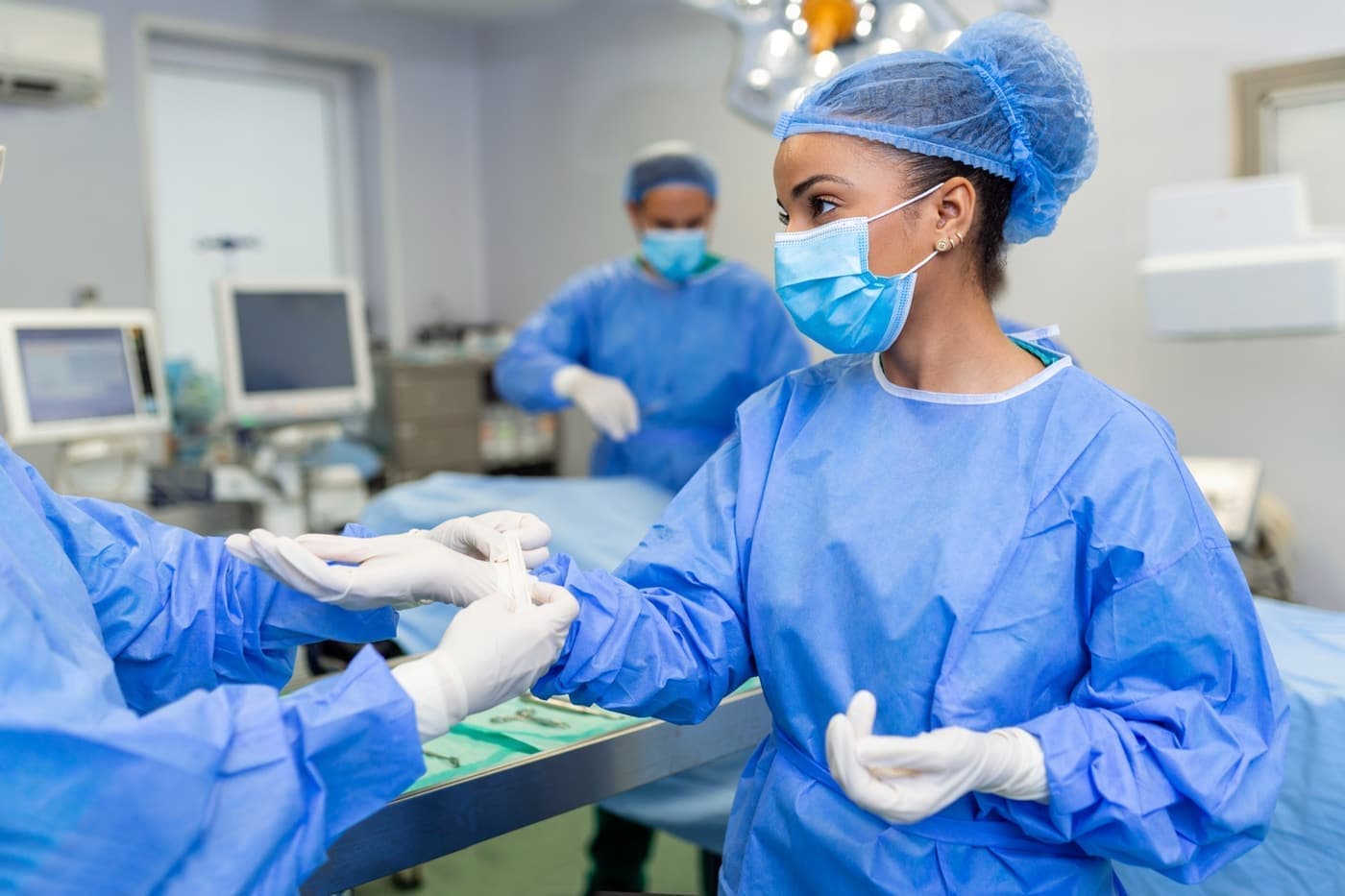
Mr Daulatzai offers both minimally invasive and surgical treatments, including pit-picking procedures for selected cases and excision with flap reconstruction where required. I discuss open versus closed techniques, expected wound healing, and the balance between recovery time and recurrence risk for your situation.
Post-operative wound care is an important part of recovery. I provide clear guidance on hygiene, activity, and follow-up appointments to support healing.
Recovery and follow-up
Recovery after abscess drainage is usually relatively quick, though the area may remain tender for several days. After definitive excision, healing may take several weeks depending on the technique used and whether the wound is left open or closed.
Follow-up allows monitoring of healing and early management of any concerns. The aim is a durable cure with minimal disruption to daily life.
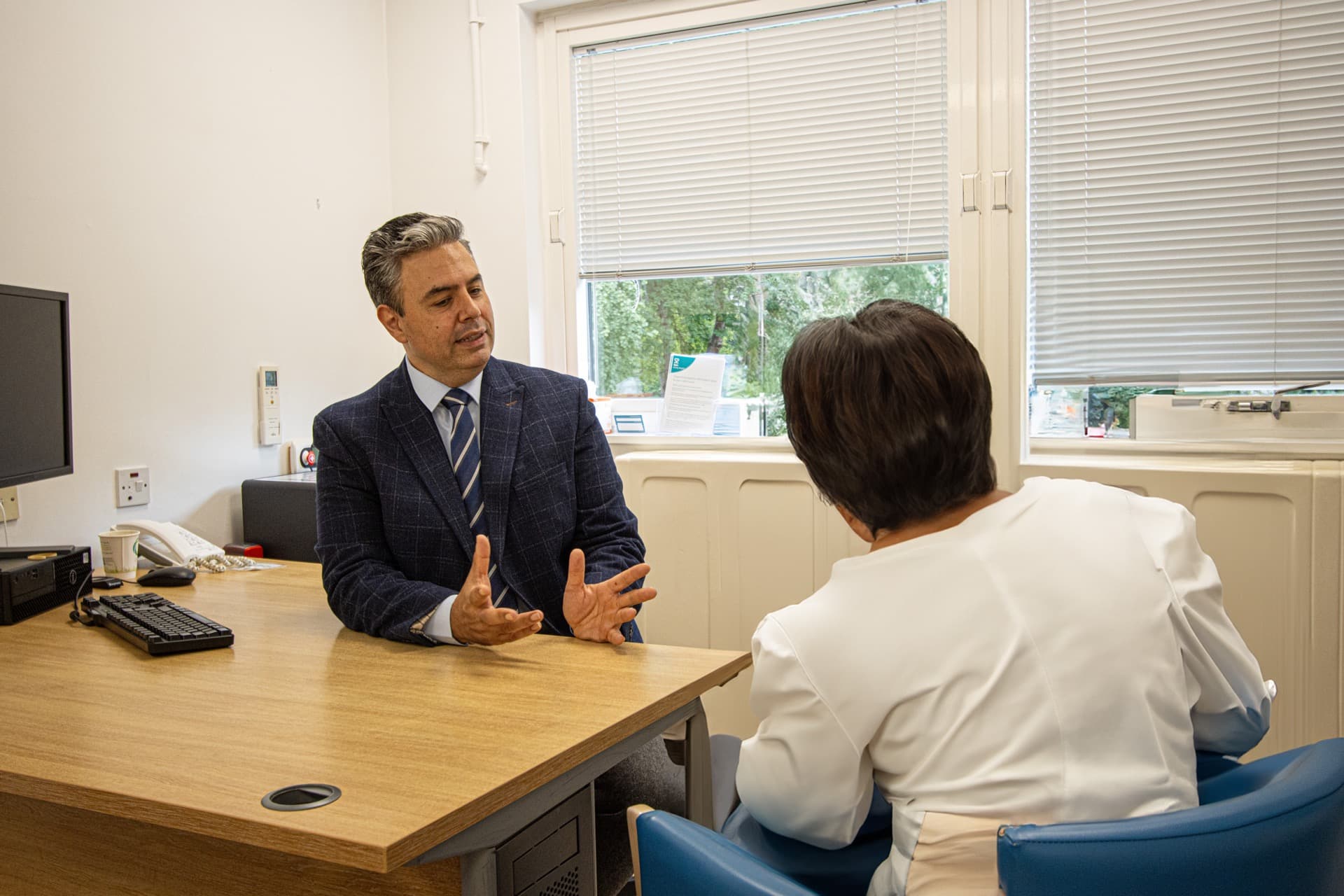
Your consultation
Pilonidal disease is common in young adults and responds well to appropriate treatment when planned carefully. Appointments are available through NHS referral and private practice.
Contact my team to arrange assessment and discussion of the most suitable treatment pathway for you.
Frequently asked questions
Do I need a GP referral to see Mr Daulatzai privately?
A GP referral is not strictly required for a private consultation, though it is strongly recommended. A referral letter provides important background clinical information and ensures continuity of your care between your GP and specialist. If you would like to self-refer, please contact the secretary directly and we will be happy to assist.
What happens at my first consultation?
Your first appointment will typically last 30 to 45 minutes. Mr Daulatzai will take a full history, review any relevant investigations, and examine you where appropriate. He will explain your diagnosis and all available treatment options clearly, and involve you fully in any decisions about your care. There is no obligation to proceed with any treatment at the initial consultation.
How long will I need off work after surgery?
Recovery times vary depending on the procedure. As a general guide:
• Minor procedures (haemorrhoid banding, anal procedures): one to three days.
• Robotic or laparoscopic bowel surgery: two to four weeks, depending on the nature of the operation and your occupation.
• Open surgery: four to six weeks.
Mr Daulatzai will give you personalised guidance on expected recovery at your consultation and again before your procedure.