What are anal fistulas?
An anal fistula is an abnormal tunnel connecting the inside of the anal canal to the skin around the anus. It is often the result of a previous abscess and can cause persistent discharge, discomfort, and recurrent infection. Fistulas vary considerably in their complexity and require careful assessment before treatment.
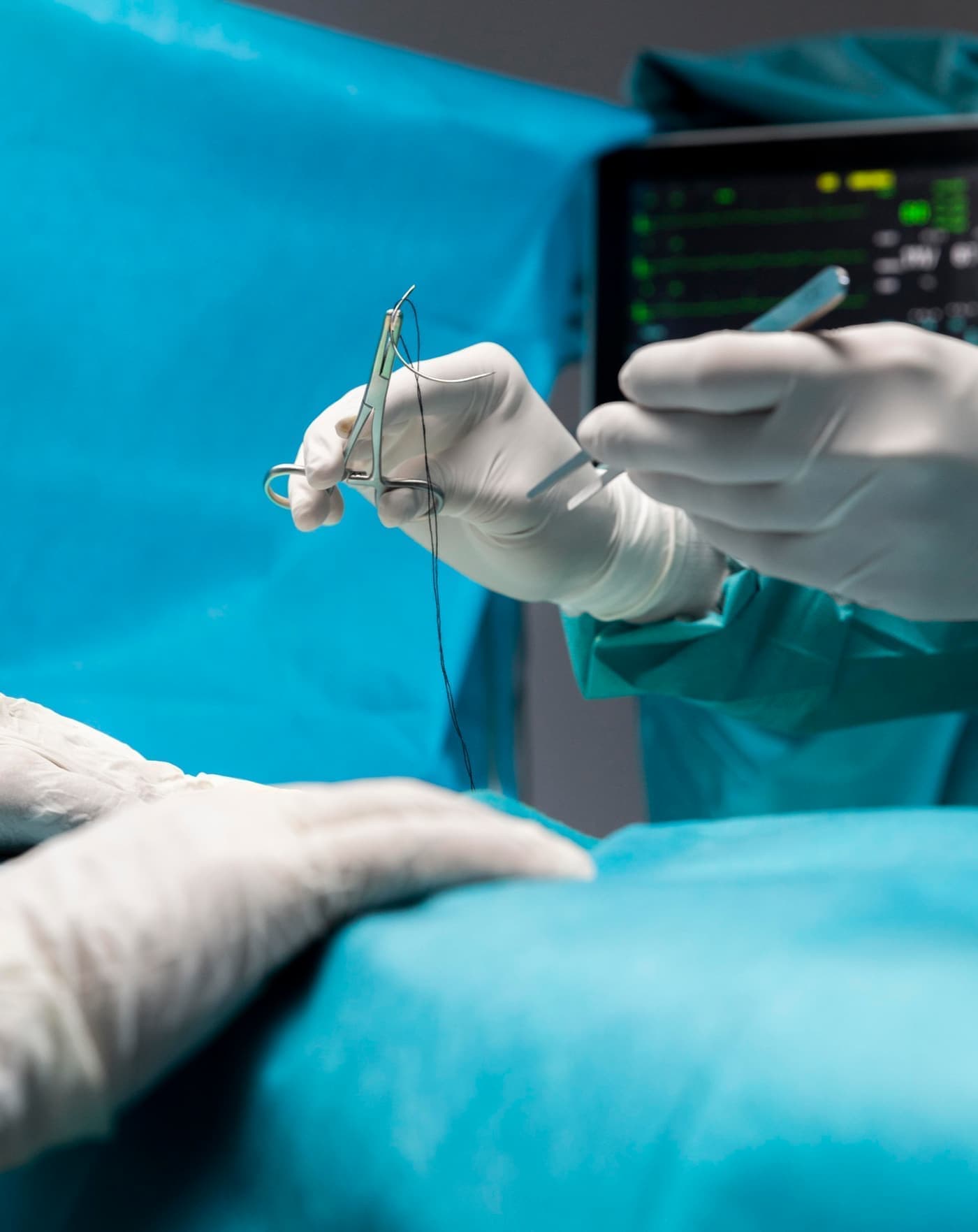
Mr Daulatzai is experienced in the full range of surgical techniques for fistula management, including fistulotomy, seton placement, advancement flaps, and LIFT (ligation of intersphincteric fistula tract) procedures. The priority is always to treat the fistula effectively whilst preserving continence.
Symptoms and when to seek help
An anal fistula often follows a perianal abscess and may cause persistent discharge from an opening near the anus, recurrent swelling, discomfort, irritation of the surrounding skin, and repeated infections. Some patients notice pain, particularly before drainage, or difficulty keeping the area clean.
Because fistulas do not heal spontaneously, symptoms typically persist or recur until the tract is treated. You should seek specialist review if you have ongoing discharge, repeated abscesses, or have been told you may have a fistula after drainage of an abscess.
Complex or recurrent fistulas require expert assessment to plan surgery that treats the problem whilst protecting continence.
Assessment and surgical planning
Careful clinical examination is essential. I often arrange MRI or endoanal ultrasound to map the fistula tract, its relationship to the anal sphincter muscles, and any associated abscess or branching. This imaging guides selection of the safest effective operation.
Treatment options include fistulotomy, seton placement, advancement flaps, and ligation of the intersphincteric fistula tract (LIFT), among others. The choice depends on fistula type, sphincter involvement, previous surgery, and your priorities regarding cure versus functional preservation.
Some complex fistulas require staged treatment. I explain the planned pathway, expected recovery between stages, and how each technique balances eradication of the fistula with long-term continence.
Recovery and follow-up
Recovery varies with the procedure performed. Seton placement may involve minimal initial downtime but requires follow-up for definitive treatment. After fistulotomy or flap procedures, wound care and hygiene advice are important during healing.
I remain closely involved throughout your care pathway, monitoring progress and addressing concerns promptly. Realistic expectations about healing time and the possibility of further treatment for complex disease are discussed before surgery.
Your consultation
If you have symptoms suggestive of an anal fistula, early specialist assessment improves planning and outcomes. Appointments are available through NHS referral and private practice.
Contact my team to arrange a consultation. I will review your history, arrange appropriate imaging if needed, and outline a tailored surgical plan.
Frequently asked questions
Do I need a GP referral to see Mr Daulatzai privately?
A GP referral is not strictly required for a private consultation, though it is strongly recommended. A referral letter provides important background clinical information and ensures continuity of your care between your GP and specialist. If you would like to self-refer, please contact the secretary directly and we will be happy to assist.
What happens at my first consultation?
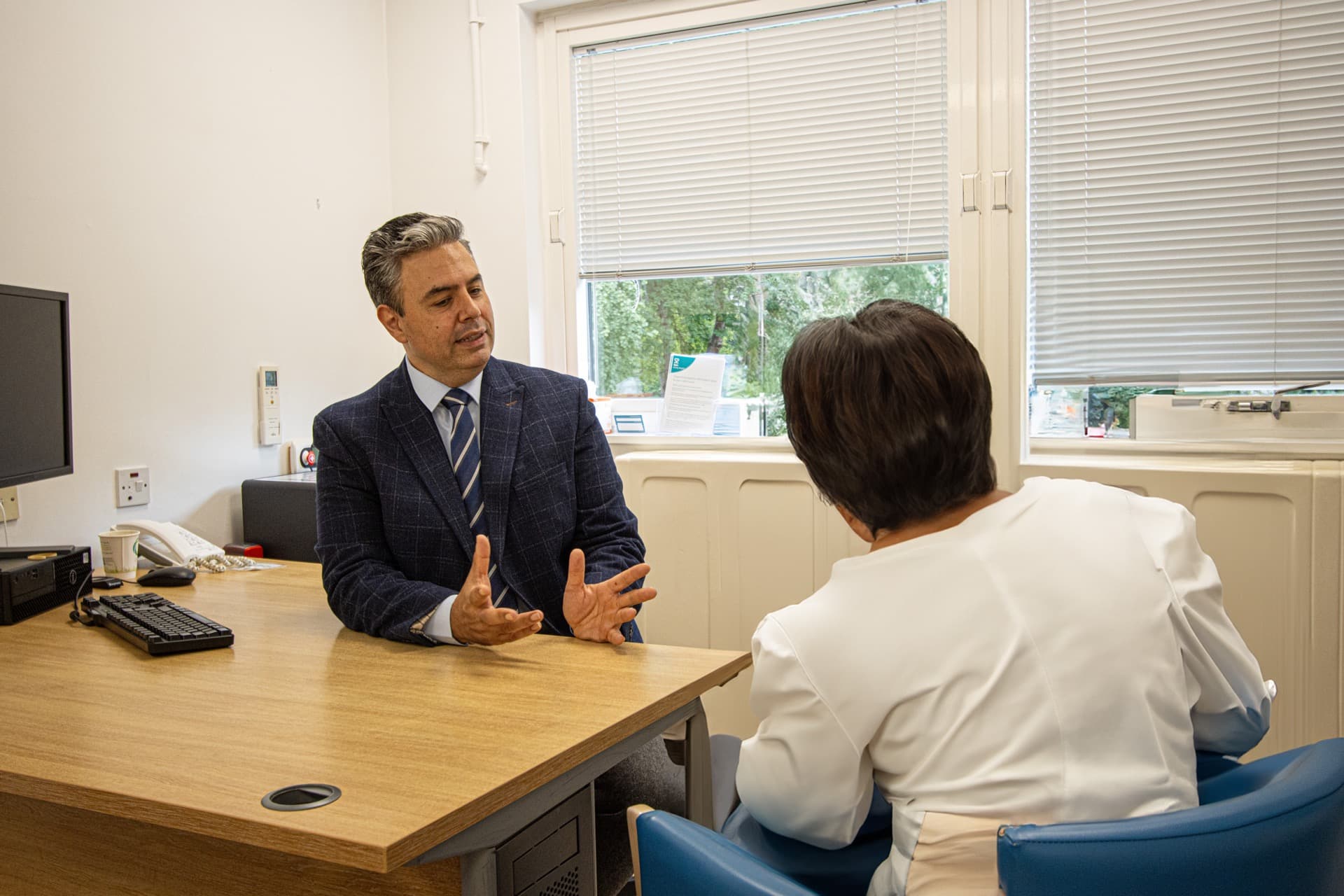
Your first appointment will typically last 30 to 45 minutes. Mr Daulatzai will take a full history, review any relevant investigations, and examine you where appropriate. He will explain your diagnosis and all available treatment options clearly, and involve you fully in any decisions about your care. There is no obligation to proceed with any treatment at the initial consultation.
How long will I need off work after surgery?
Recovery times vary depending on the procedure. As a general guide:
• Minor procedures (haemorrhoid banding, anal procedures): one to three days.
• Robotic or laparoscopic bowel surgery: two to four weeks, depending on the nature of the operation and your occupation.
• Open surgery: four to six weeks.
Mr Daulatzai will give you personalised guidance on expected recovery at your consultation and again before your procedure.