What are umbilical hernias?
An umbilical hernia occurs when part of the intestine or fatty tissue protrudes through the abdominal wall near the belly button. They are common in both adults and children and may cause discomfort or a noticeable lump around the navel.
Surgical repair is recommended for hernias that are symptomatic, enlarging, or at risk of complications. Mr Daulatzai performs umbilical hernia repair as a minimally invasive day-case procedure wherever possible, with a focus on minimal scarring and a swift recovery.
Symptoms and when to seek help
An umbilical hernia causes a bulge at or near the belly button. Symptoms may include local discomfort, aching after activity, or cosmetic concern. In adults, umbilical hernias may enlarge over time and are less likely to resolve than in children.
Surgical repair is recommended when the hernia is symptomatic, enlarging, or at risk of complications such as incarceration or strangulation. Seek urgent review if the lump becomes painful, firm, and cannot be pushed back.
Surgical repair
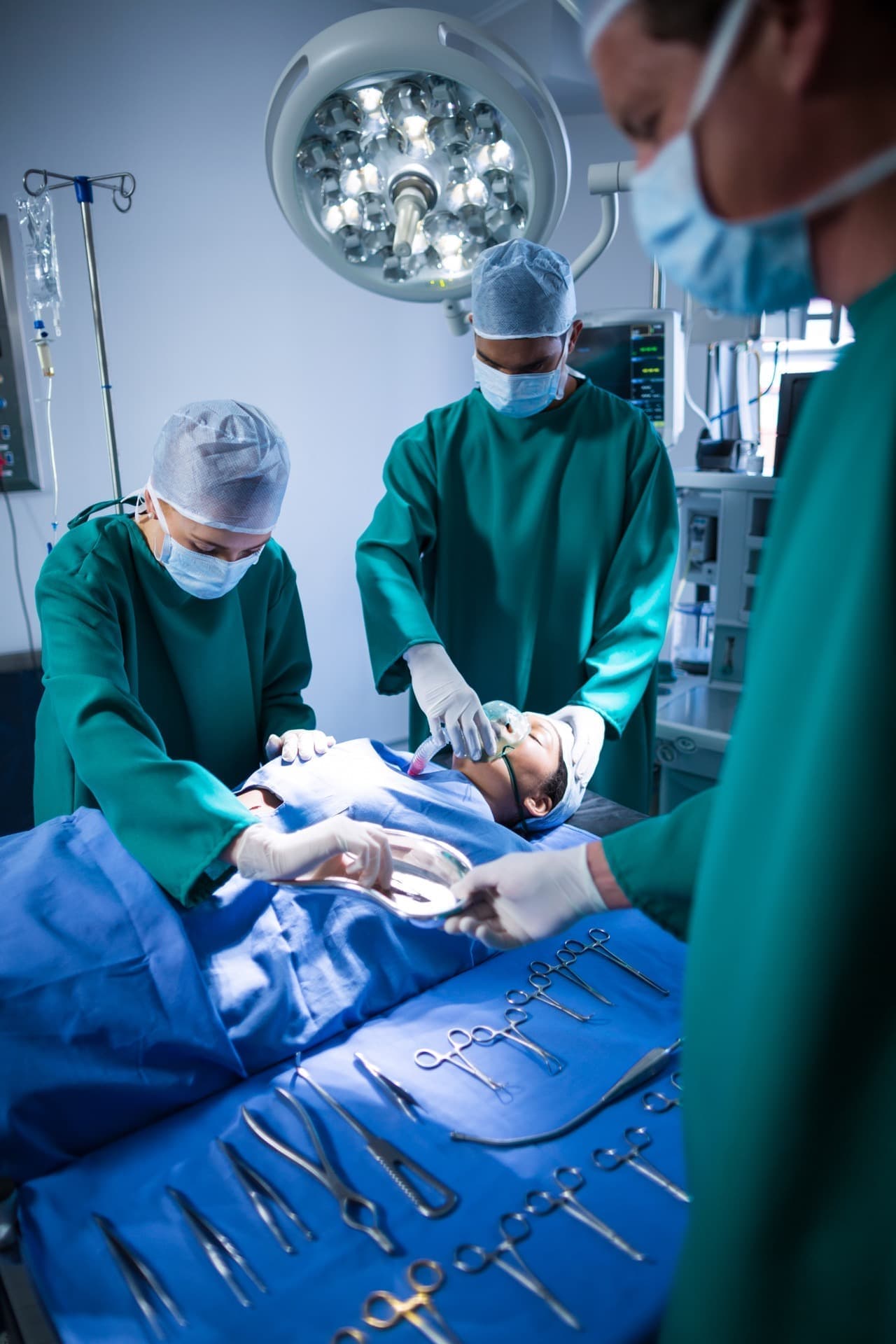
Mr Daulatzai performs umbilical hernia repair as a minimally invasive day-case procedure wherever possible, with a focus on minimal scarring and swift recovery. Open mesh repair is used for most umbilical defects, selecting mesh size and placement to reinforce the abdominal wall effectively.
I discuss anaesthetic options, expected recovery, and activity restrictions before surgery. Mesh reinforcement reduces recurrence compared with tissue-only repair in most adult cases.
Recovery and follow-up
Recovery is generally straightforward, with guidance on lifting restrictions and wound care during the first few weeks. Most patients return to desk-based work within one to two weeks and resume heavier activity according to a structured plan.
Follow-up ensures the repair is healing well and symptoms have resolved.
Your consultation
Umbilical hernias are common and respond well to elective repair when planned appropriately. Appointments are available through NHS referral and private practice.
Contact my team to arrange a consultation.
Frequently asked questions
How long will I need off work after surgery?
Recovery times vary depending on the procedure. As a general guide:
• Minor procedures (haemorrhoid banding, anal procedures): one to three days.
• Robotic or laparoscopic bowel surgery: two to four weeks, depending on the nature of the operation and your occupation.
• Open surgery: four to six weeks.
Mr Daulatzai will give you personalised guidance on expected recovery at your consultation and again before your procedure.
Does Mr Daulatzai accept private medical insurance?
Yes. Mr Daulatzai is recognised by all major insurers including Bupa, AXA Health, Aviva, Vitality, WPA, and Healix. Please contact your insurer in advance to confirm your policy covers the proposed consultation and treatment, and to obtain an authorisation number before your appointment.
What happens at my first consultation?
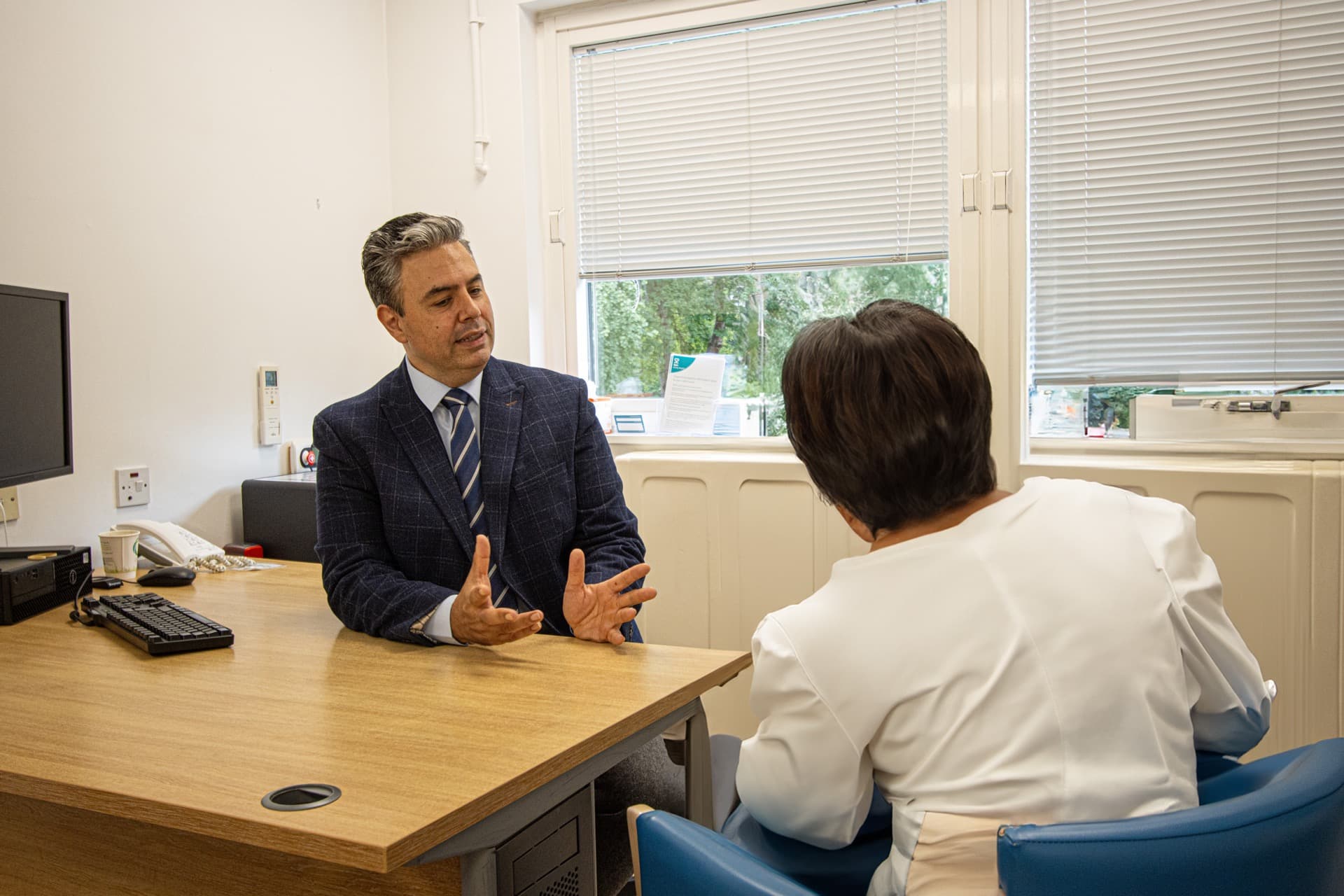
Your first appointment will typically last 30 to 45 minutes. Mr Daulatzai will take a full history, review any relevant investigations, and examine you where appropriate. He will explain your diagnosis and all available treatment options clearly, and involve you fully in any decisions about your care. There is no obligation to proceed with any treatment at the initial consultation.