What are incisional hernias?
An incisional hernia develops at the site of a previous surgical incision, where the abdominal wall has weakened over time. These hernias can vary considerably in size and complexity, and often require careful planning to repair safely and effectively.
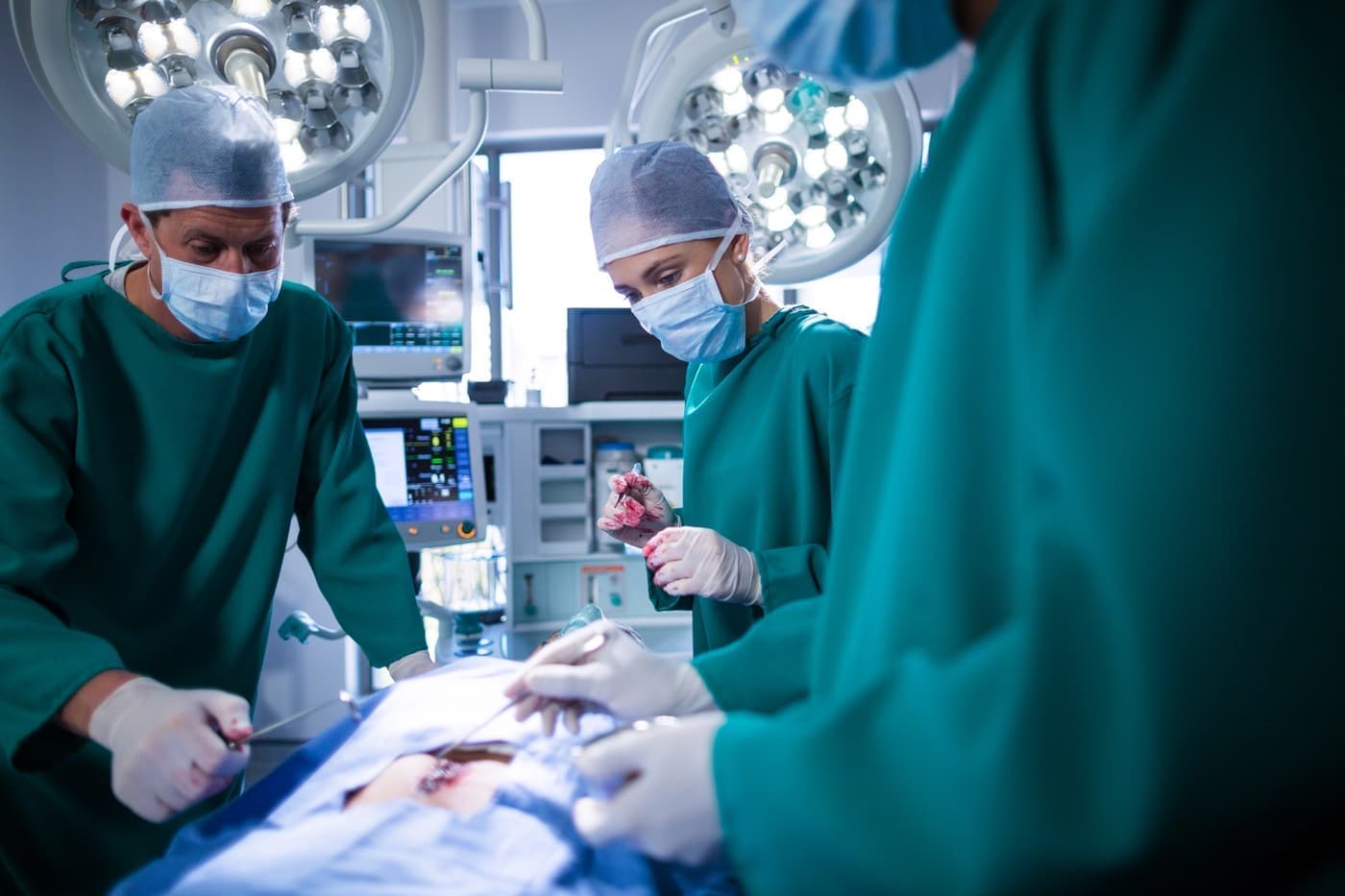
Mr Daulatzai has specialist expertise in complex abdominal wall reconstruction, including component separation techniques and the use of mesh reinforcement to achieve a durable repair. His minimally invasive approach reduces post-operative pain, shortens hospital stay, and lowers the risk of recurrence compared to open techniques.
Symptoms and when to seek help
An incisional hernia develops at a previous surgical scar when the abdominal wall has not healed strongly enough to contain internal tissues. You may notice a bulge at the scar, discomfort on exertion, difficulty with certain activities, or progressive enlargement over time.
Large, recurrent, or symptomatic incisional hernias warrant specialist assessment. Urgent review is needed if the hernia becomes painful, irreducible, or associated with vomiting or abdominal distension.
Complex repair and abdominal wall reconstruction
Mr Daulatzai has specialist expertise in complex abdominal wall reconstruction, including component separation techniques and mesh reinforcement to achieve a durable repair. Repair requires careful planning, particularly for larger or recurrent defects.
Assessment includes review of previous operations, hernia size and location, and abdominal wall integrity. Imaging such as ultrasound or CT may define the defect and guide strategy. Techniques range from open mesh repair to laparoscopic intraperitoneal onlay mesh (IPOM) and advanced reconstruction for complex cases.
I discuss expected recovery, activity restrictions, and long-term outcomes based on the planned approach, including the role of minimally invasive surgery in reducing post-operative pain and hospital stay.
Recovery and follow-up
Recovery depends on hernia size and complexity. Larger reconstructions may require a longer hospital stay and gradual return to activity. I provide structured guidance on wound care, support garments if used, and lifting restrictions.
Follow-up monitors healing and functional recovery. Durable repair with appropriate mesh reinforcement offers excellent long-term results when performed by an experienced specialist.
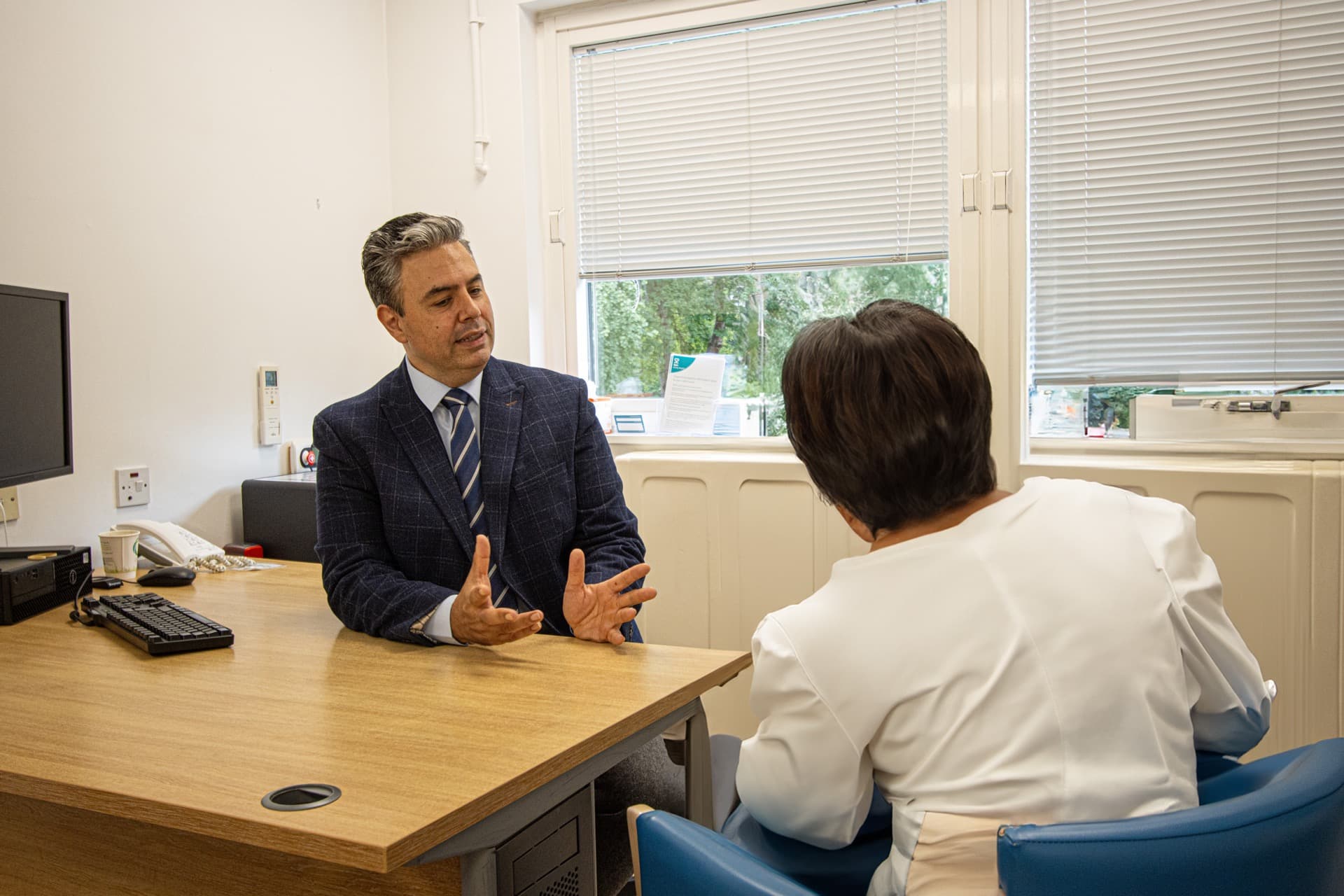
Your consultation
Incisional hernias vary considerably in complexity. Specialist assessment ensures safe, effective repair planning. Appointments are available through NHS referral and private practice.
Contact my team to arrange a consultation and discuss your abdominal wall reconstruction options.
Frequently asked questions
How long will I need off work after surgery?
Recovery times vary depending on the procedure. As a general guide:
• Minor procedures (haemorrhoid banding, anal procedures): one to three days.
• Robotic or laparoscopic bowel surgery: two to four weeks, depending on the nature of the operation and your occupation.
• Open surgery: four to six weeks.
Mr Daulatzai will give you personalised guidance on expected recovery at your consultation and again before your procedure.
Does Mr Daulatzai accept private medical insurance?
Yes. Mr Daulatzai is recognised by all major insurers including Bupa, AXA Health, Aviva, Vitality, WPA, and Healix. Please contact your insurer in advance to confirm your policy covers the proposed consultation and treatment, and to obtain an authorisation number before your appointment.
What happens at my first consultation?
Your first appointment will typically last 30 to 45 minutes. Mr Daulatzai will take a full history, review any relevant investigations, and examine you where appropriate. He will explain your diagnosis and all available treatment options clearly, and involve you fully in any decisions about your care. There is no obligation to proceed with any treatment at the initial consultation.