What is therapeutic colonoscopy?
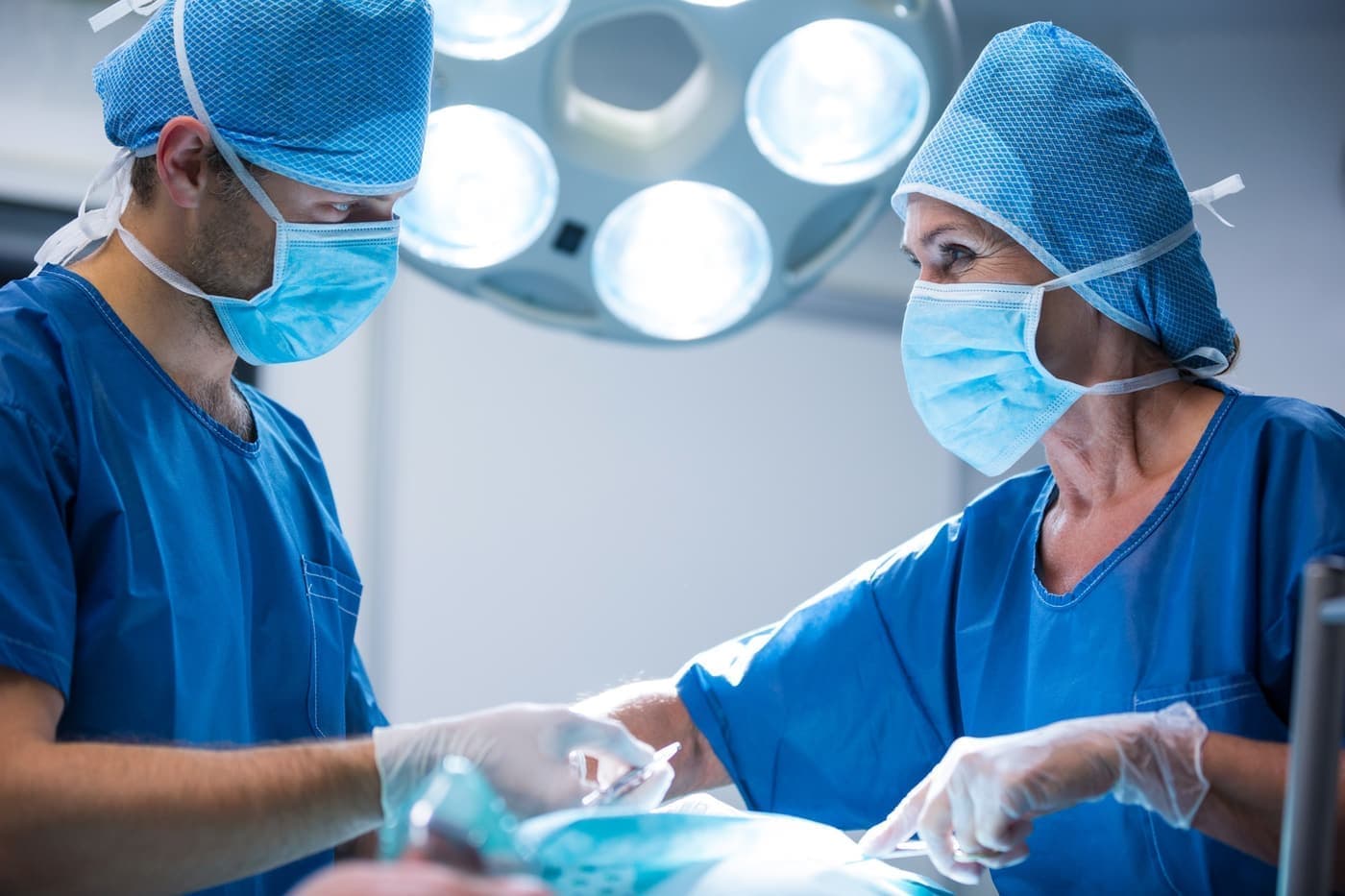
In addition to diagnosis, colonoscopy can be used to treat a number of conditions at the time of the procedure, most commonly for the removal of bowel polyps (polypectomy). Treating polyps at the time of detection avoids the need for a separate procedure and reduces the risk of them developing into cancer over time.
Mr Daulatzai is experienced in therapeutic colonoscopic techniques including standard polypectomy, and will discuss the findings and any treatment carried out with you in full on the same day.
What can be treated during colonoscopy
Therapeutic colonoscopy allows treatment at the time of examination, most commonly removal of bowel polyps (polypectomy). Treating polyps when they are found reduces the need for a separate procedure and lowers the long-term risk of colorectal cancer.
Mr Daulatzai is experienced in therapeutic techniques including standard snare polypectomy and, for larger lesions, endoscopic mucosal resection (EMR) where appropriate. Technique is selected based on polyp size, shape, and location to maximise complete removal safely.
Procedure and recovery
Therapeutic procedures are performed under sedation with the same bowel preparation as diagnostic colonoscopy. I discuss findings and any treatment performed with you in full on the same day, including histology results when biopsies or removed tissue are sent for analysis.
After polypectomy, you may be advised to avoid certain medications temporarily and to watch for signs of bleeding or pain. Most patients recover quickly; I provide clear aftercare instructions and arrange follow-up surveillance based on polyp pathology.
Risks and follow-up
Polypectomy carries a small risk of bleeding or perforation, which I discuss before the procedure. Post-polypectomy surveillance intervals depend on the number, size, and type of polyps removed, in line with national guidance.
Your consultation
If you have polyps requiring removal or have been advised to undergo therapeutic colonoscopy, specialist care ensures safe, complete treatment. Appointments are available through NHS referral and private practice.
Contact my team to arrange a consultation and procedure.
Frequently asked questions
How do I prepare for a colonoscopy?
You will receive detailed written instructions prior to your procedure. In general, you will be asked to follow a low-residue diet for one to two days beforehand and to take a bowel preparation solution to clear the bowel. You will need to arrange for someone to drive you home following the procedure if sedation is used. Full pre-procedure instructions will be provided by the clinical team.
What happens at my first consultation?
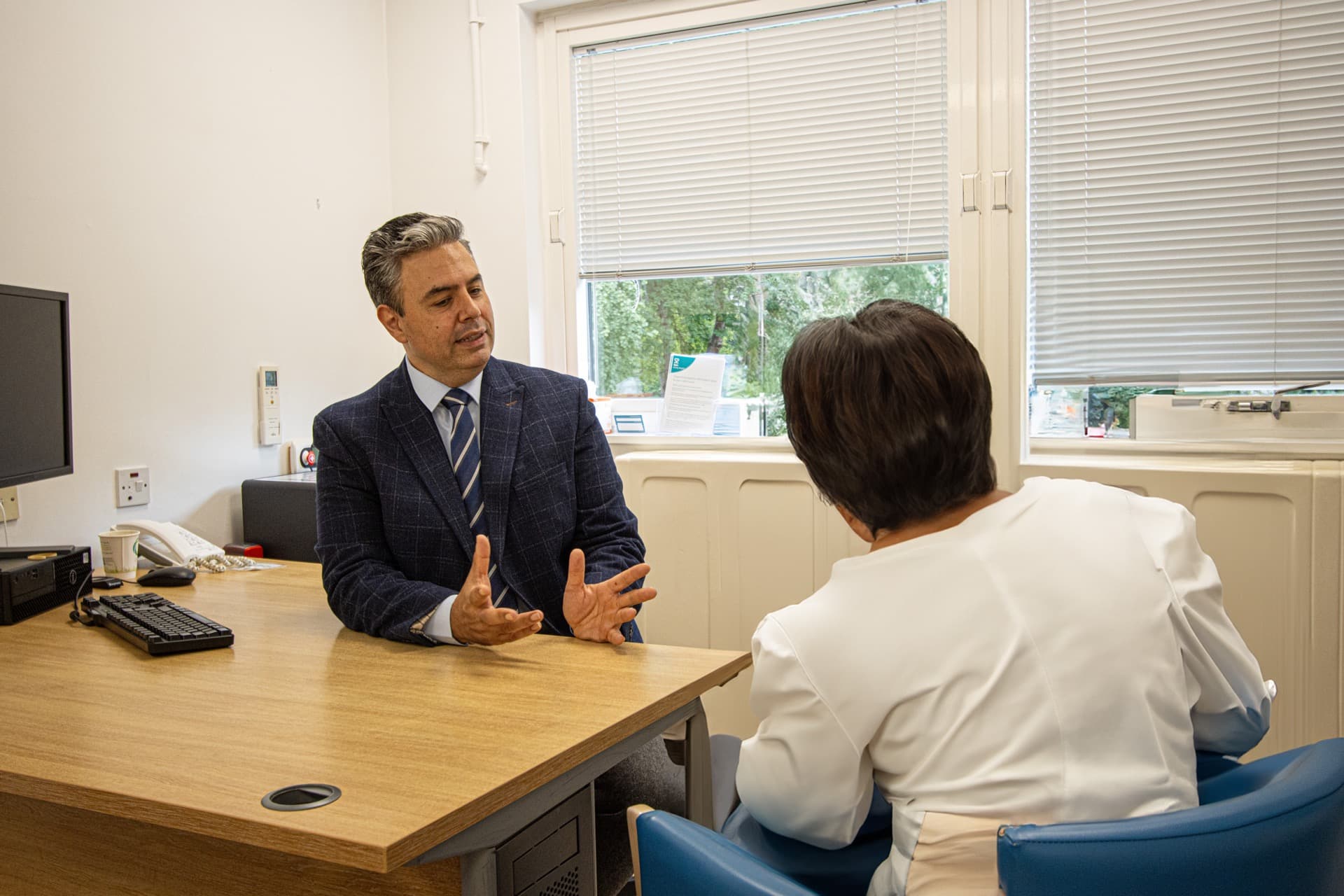
Your first appointment will typically last 30 to 45 minutes. Mr Daulatzai will take a full history, review any relevant investigations, and examine you where appropriate. He will explain your diagnosis and all available treatment options clearly, and involve you fully in any decisions about your care. There is no obligation to proceed with any treatment at the initial consultation.
How quickly can I be seen?
Private patients can typically be seen within one week. Please contact the secretary directly to check current availability.