What is surveillance colonoscopy?
For patients with a personal or family history of colorectal cancer, polyps, or inflammatory bowel disease, regular surveillance colonoscopy is an important part of long-term care. It allows any new or recurrent changes to be identified and treated early.
Mr Daulatzai provides personalised surveillance programmes tailored to your individual risk profile, in line with the latest national guidelines. Continuity of care with the same consultant endoscopist ensures consistency and peace of mind.
Who needs surveillance colonoscopy
Surveillance colonoscopy is recommended for patients at increased risk of colorectal cancer or advanced polyps. This includes personal history of polyps or colorectal cancer, certain family histories, longstanding inflammatory bowel disease involving the colon, and some inherited conditions.
Mr Daulatzai provides personalised surveillance programmes tailored to your individual risk profile, in line with national guidelines. Continuity of care with the same consultant endoscopist ensures consistency and thorough comparison of findings over time.
Surveillance intervals and findings
The interval between colonoscopies depends on polyp type, number, size, histology, completeness of previous examination, and family history. I explain the rationale for each recommended interval and adjust the plan if new findings arise.
When polyps or suspicious areas are identified, treatment or closer follow-up is arranged without delay. High-quality bowel preparation remains essential for effective surveillance.
Preparation and aftercare
You receive the same detailed preparation instructions as for diagnostic colonoscopy. Sedation is available for comfort. Findings are documented clearly and shared with you and your GP to maintain continuity of care across your surveillance programme.
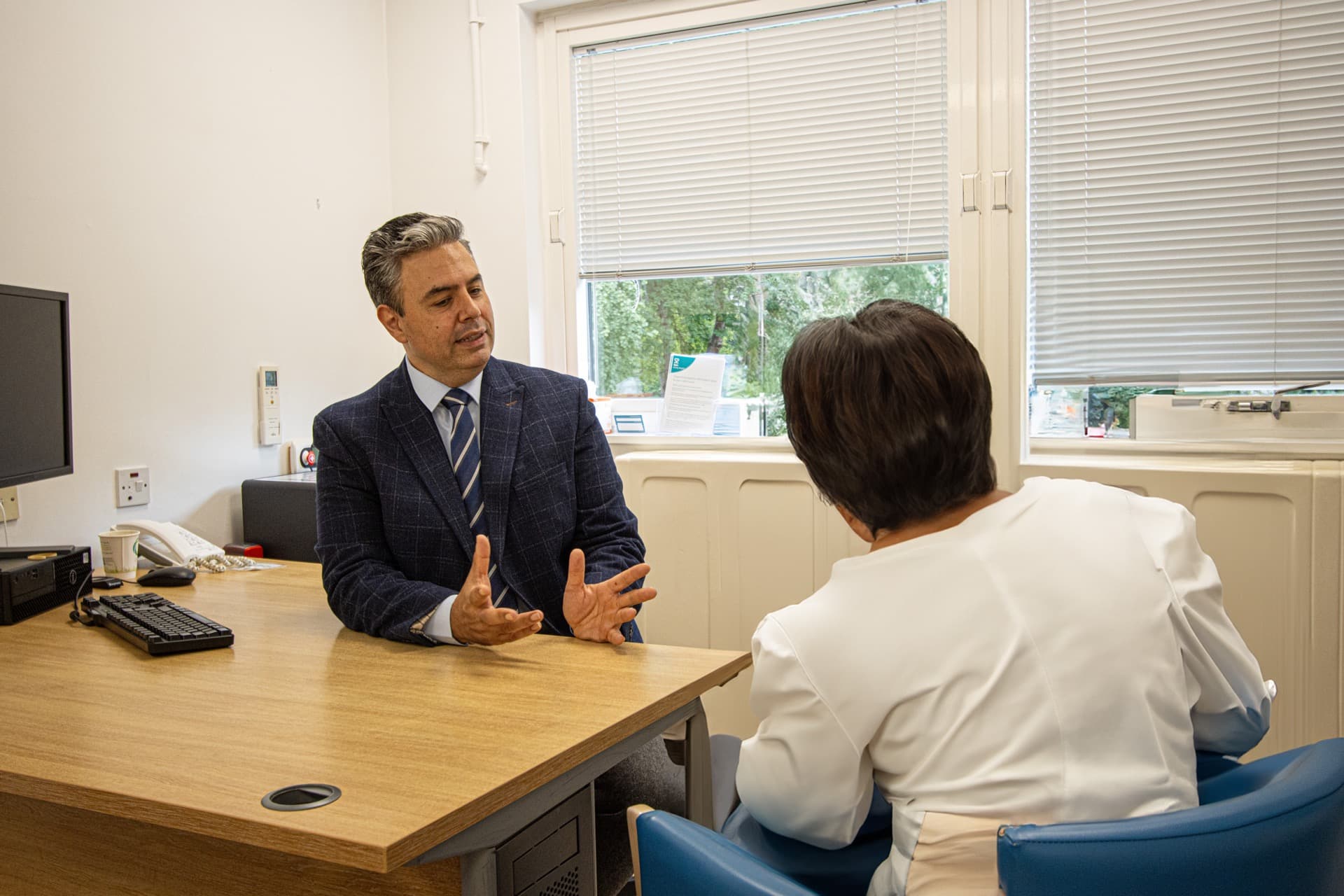
Your consultation
If you are due for surveillance colonoscopy or unsure of your follow-up interval, specialist review ensures appropriate timing. Appointments are available through NHS referral and private practice.
Contact my team to arrange surveillance within a structured, guideline-based programme.
Frequently asked questions
How do I prepare for a colonoscopy?
You will receive detailed written instructions prior to your procedure. In general, you will be asked to follow a low-residue diet for one to two days beforehand and to take a bowel preparation solution to clear the bowel. You will need to arrange for someone to drive you home following the procedure if sedation is used. Full pre-procedure instructions will be provided by the clinical team.
What happens at my first consultation?
Your first appointment will typically last 30 to 45 minutes. Mr Daulatzai will take a full history, review any relevant investigations, and examine you where appropriate. He will explain your diagnosis and all available treatment options clearly, and involve you fully in any decisions about your care. There is no obligation to proceed with any treatment at the initial consultation.
How quickly can I be seen?
Private patients can typically be seen within one week. Please contact the secretary directly to check current availability.