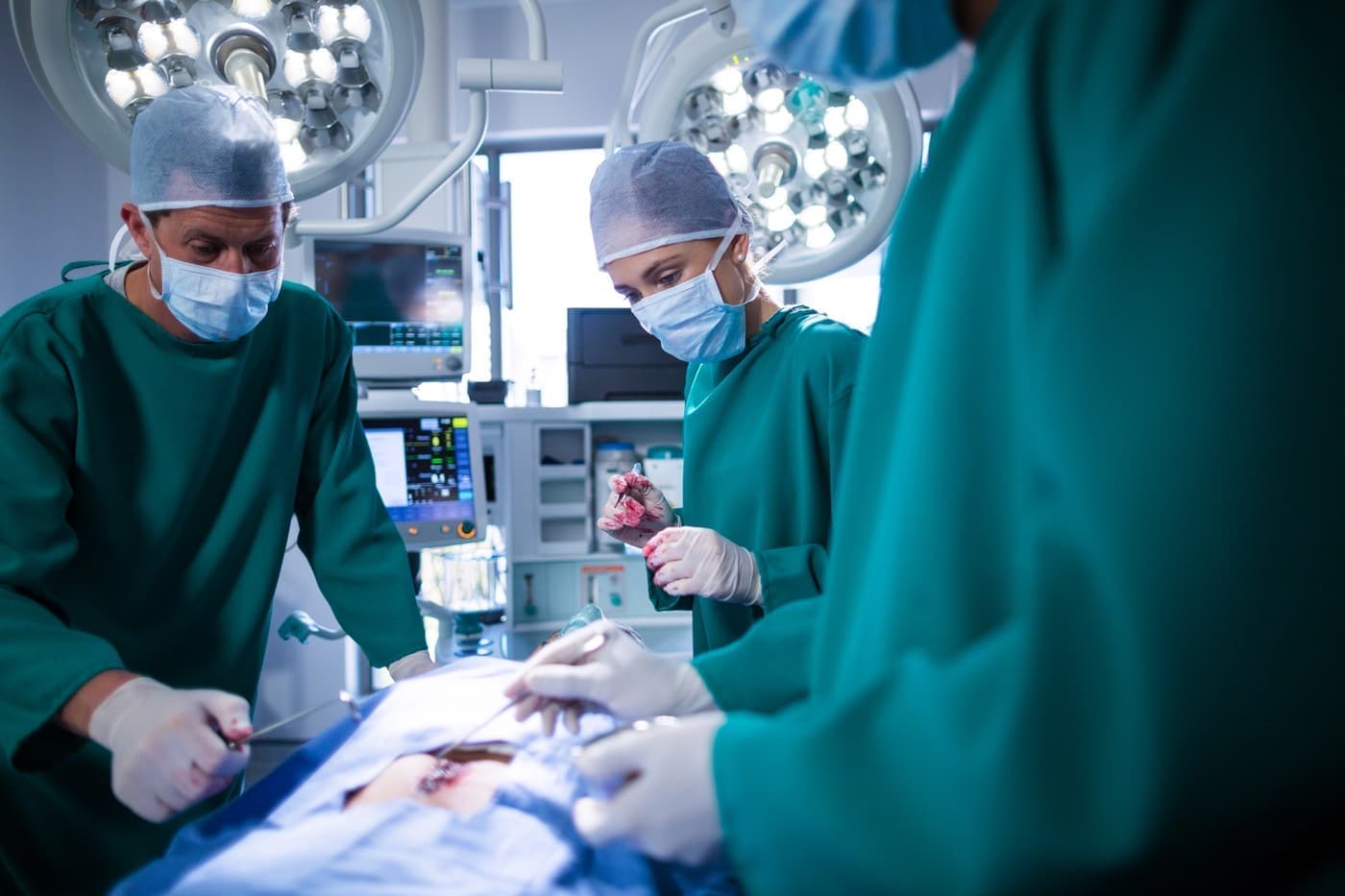
Hernia repair is one of the most common general surgical procedures. Mr Najib Daulatzai offers tailored surgical solutions using both open and minimally invasive laparoscopic techniques to achieve durable repair and support a swift return to normal activity.
Understanding Hernias
A hernia occurs when an internal part of the body pushes through a weakness in the muscle or surrounding tissue wall. Hernias most commonly affect the abdominal wall and groin, producing a visible or palpable lump that may become more prominent when standing, coughing, or straining. While some hernias cause minimal symptoms initially, they do not resolve on their own and may enlarge over time.
As a consultant general and colorectal surgeon, I provide comprehensive assessment and surgical repair for hernias across London and Hertfordshire. My approach combines careful clinical evaluation with modern surgical techniques, including laparoscopic and open repair, to achieve durable results and support a smooth recovery.
Not every hernia requires immediate surgery, but all hernias warrant specialist review. I discuss the natural history of your hernia, symptoms to monitor, and the appropriate timing of repair based on your individual circumstances, occupation, and overall health.
Inguinal Hernias
Inguinal hernia is the most common type of hernia, occurring in the groin when abdominal contents protrude through a weak area in the inguinal canal. It may present as a bulge in the groin, discomfort on exertion, or an ache that worsens through the day. In men, inguinal hernias are particularly common and may affect one or both sides.
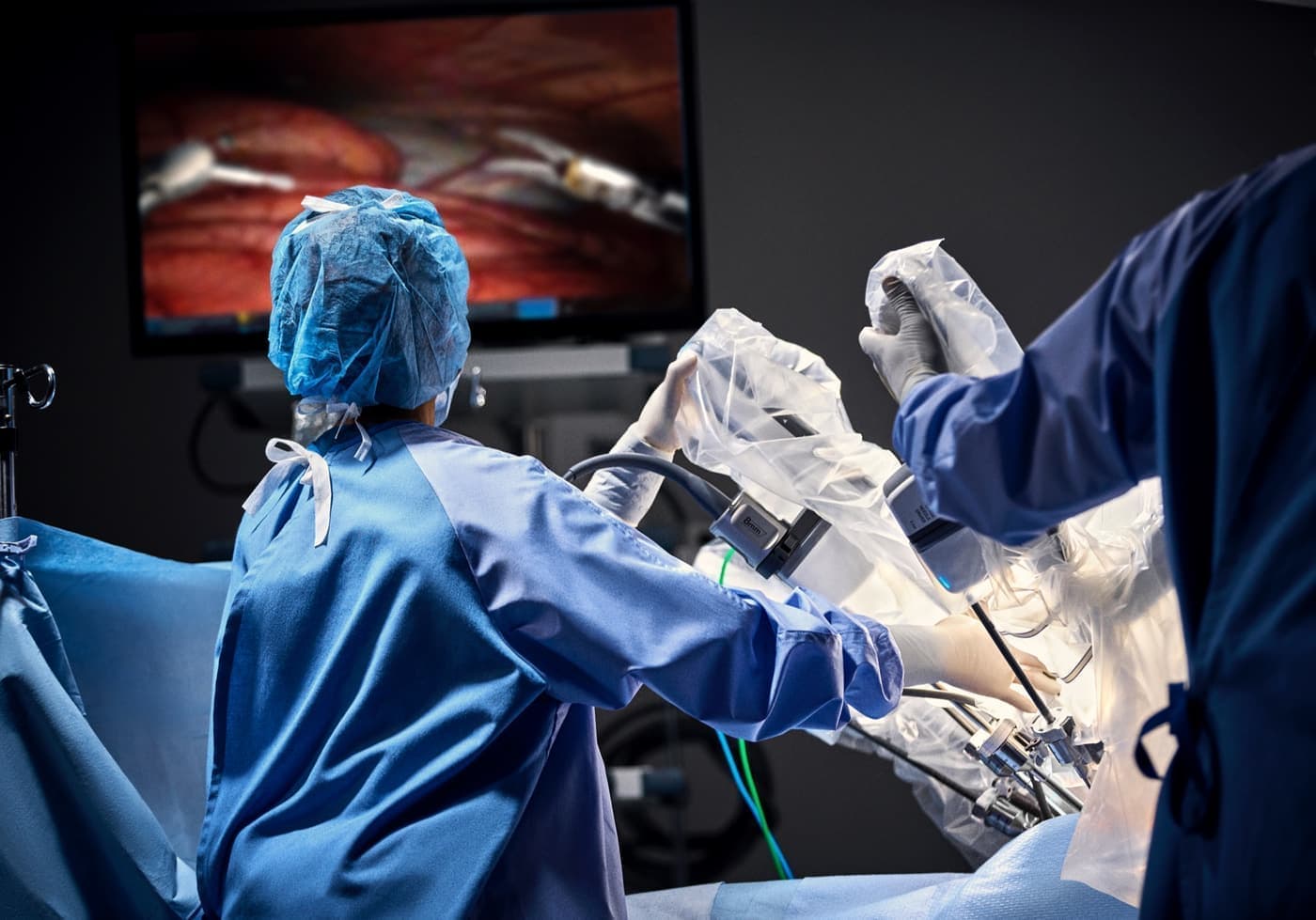
Repair is generally recommended for symptomatic inguinal hernias and for asymptomatic hernias in many patients, depending on age, fitness, and risk of complications such as strangulation. I offer both open mesh repair and laparoscopic (keyhole) techniques, including TEP and TAPP approaches.
Laparoscopic repair typically allows faster return to normal activity and may be preferred for bilateral hernias or recurrent repairs. Open repair remains an excellent option with a long track record of success. During consultation, I explain which technique best suits your anatomy, hernia type, and lifestyle.
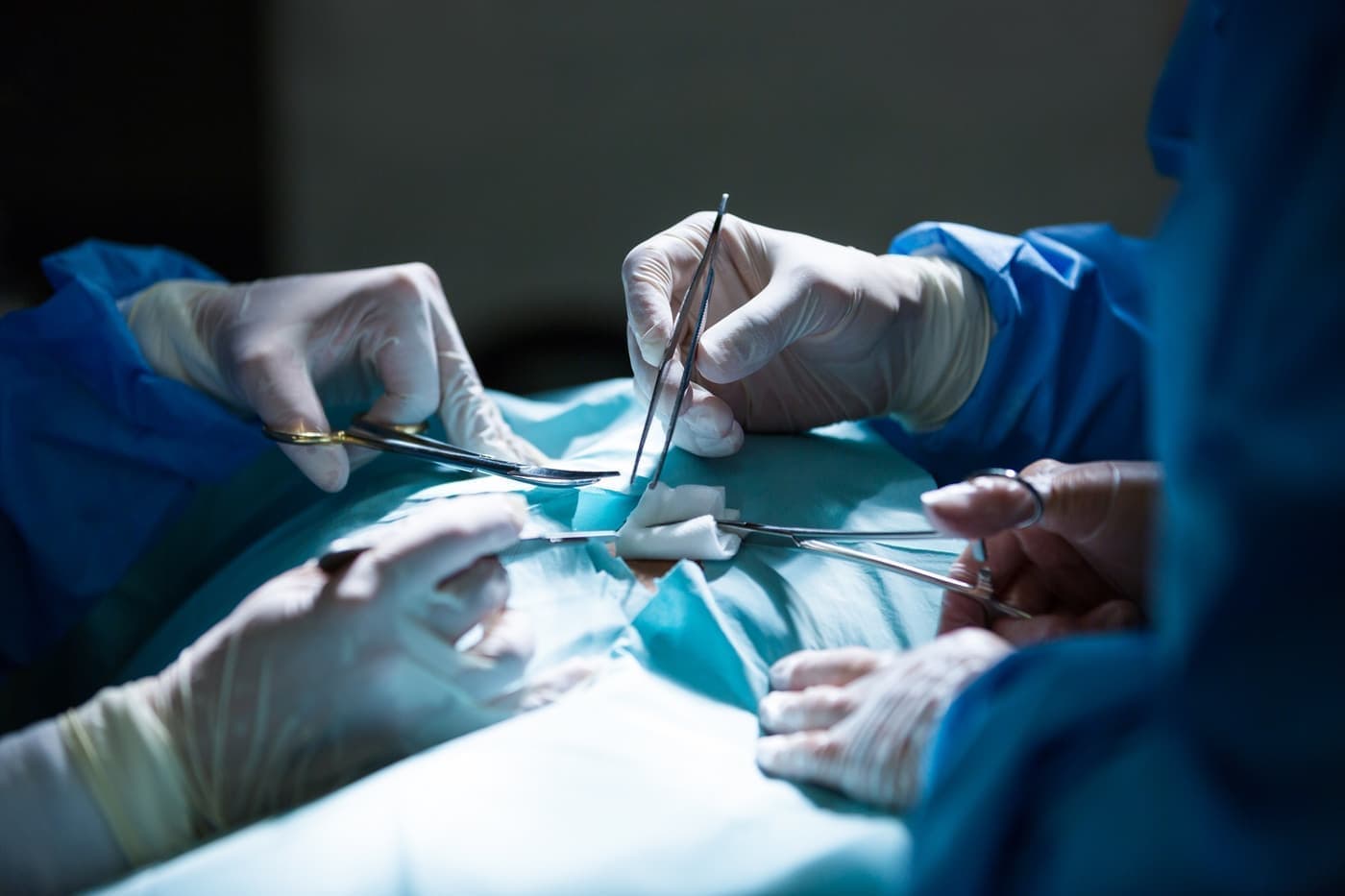
Mesh reinforcement is standard in modern hernia repair and significantly reduces recurrence rates. I use proven mesh materials and techniques aligned with current national guidance. Risks including infection, chronic pain, and recurrence are discussed openly so you can proceed with confidence.
Femoral Hernias
Femoral hernias occur below the inguinal ligament and are more common in women, though they can affect men. They carry a higher risk of strangulation compared with inguinal hernias, which means specialist assessment and timely repair are particularly important.
Because femoral hernias may present with less obvious symptoms, accurate diagnosis requires experience in groin hernia assessment. I evaluate the groin carefully and use imaging when needed to confirm the diagnosis and plan appropriate repair.
Surgical repair is usually recommended once a femoral hernia is diagnosed, even if symptoms are mild. Laparoscopic and open approaches are available, and the chosen method reflects patient factors and surgical safety.
Umbilical Hernias
Umbilical hernias occur at the navel and are common in adults, particularly those who have been overweight, pregnant, or had previous abdominal surgery. Epigastric hernias appear between the breastbone and navel due to a gap in the midline abdominal wall. Both may cause a localised bulge, pain, or cosmetic concern.
Small umbilical hernias in adults may be observed if asymptomatic, but repair is advised when symptoms develop or the hernia enlarges. I perform open mesh repair for most umbilical and epigastric hernias, selecting mesh size and placement to reinforce the defect effectively.
Recovery after umbilical hernia repair is generally straightforward, with guidance on lifting restrictions and wound care during the early healing phase. I provide clear post-operative instructions and arrange follow-up to ensure satisfactory recovery.
Incisional Hernias
Incisional hernias develop at the site of a previous surgical scar when the abdominal wall fails to heal strongly enough to contain internal tissues. They vary in size and complexity and may cause pain, bulging, and functional limitation. Ventral hernias is a broader term for abdominal wall hernias on the front of the abdomen, including incisional hernias.
Repair of incisional hernias requires careful planning, particularly for larger or recurrent defects. I assess the hernia size, location, previous surgeries, and abdominal wall integrity. Imaging such as ultrasound or CT may help define the defect and guide surgical strategy.
Techniques range from open mesh repair to laparoscopic intraperitoneal onlay mesh (IPOM) and component separation for complex cases. The goal is durable closure with appropriate mesh reinforcement while minimising complications. I discuss expected recovery, activity restrictions, and long-term outcomes based on the planned approach.
Recovery and Returning to Activity
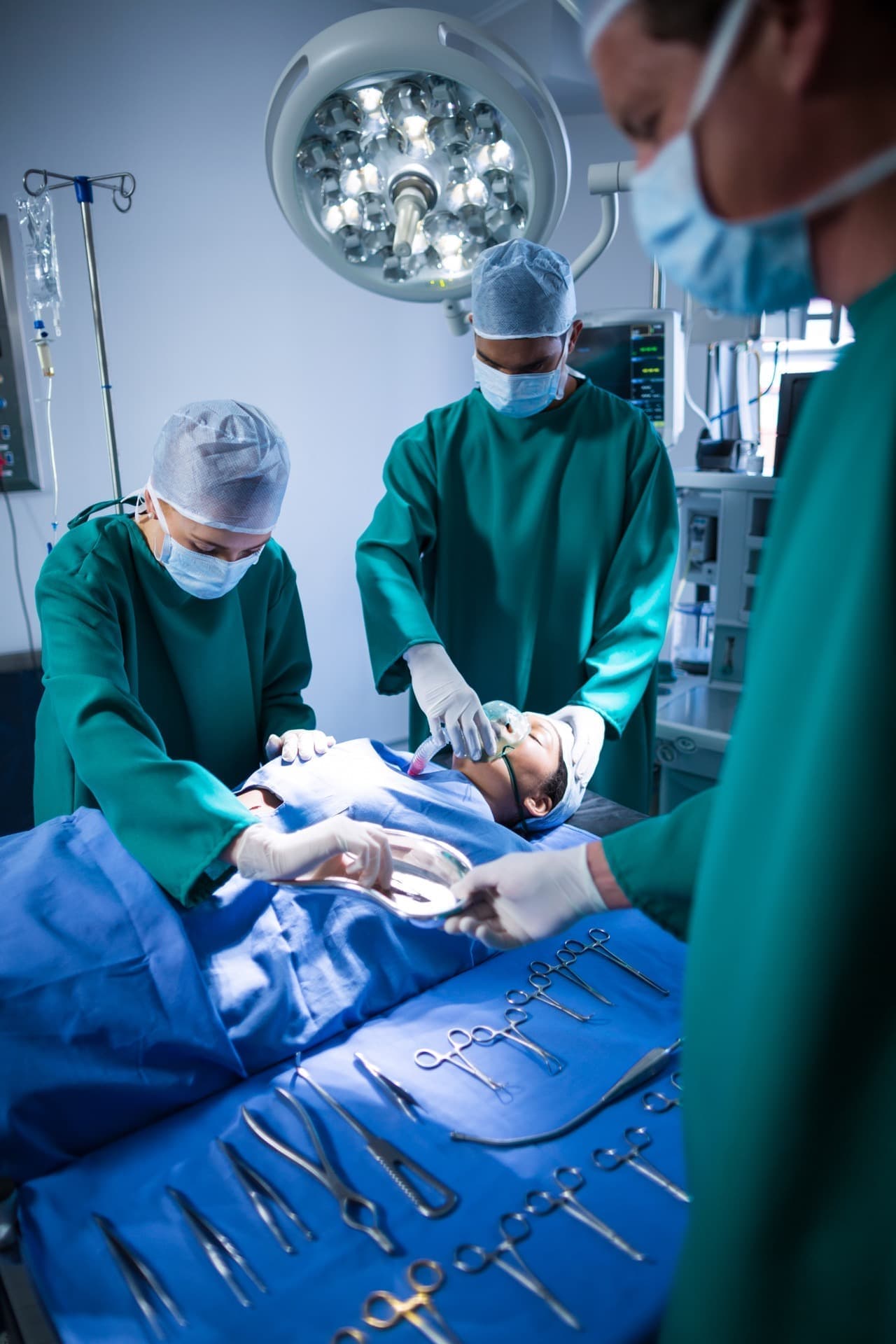
Recovery after hernia surgery depends on the type of repair and your general health. Most patients return home the same day or following an overnight stay. I provide individual guidance on wound care, pain management, driving, and return to work and exercise.
Following laparoscopic repair, many patients resume light activities within days and return to desk-based work within one to two weeks. Manual work and strenuous exercise are gradually reintroduced according to a structured plan. Open repair may require a slightly longer recovery, and expectations are discussed before surgery.
Long-term success after hernia repair is excellent when surgery is performed by an experienced specialist using mesh reinforcement. I remain available for follow-up to monitor your recovery and address any concerns during the healing period.
Booking a Hernia Consultation
If you have noticed a groin or abdominal lump, or experience discomfort suggestive of a hernia, specialist assessment is the right next step. I offer hernia consultations through NHS referral and private practice at hospitals across London and Hertfordshire.
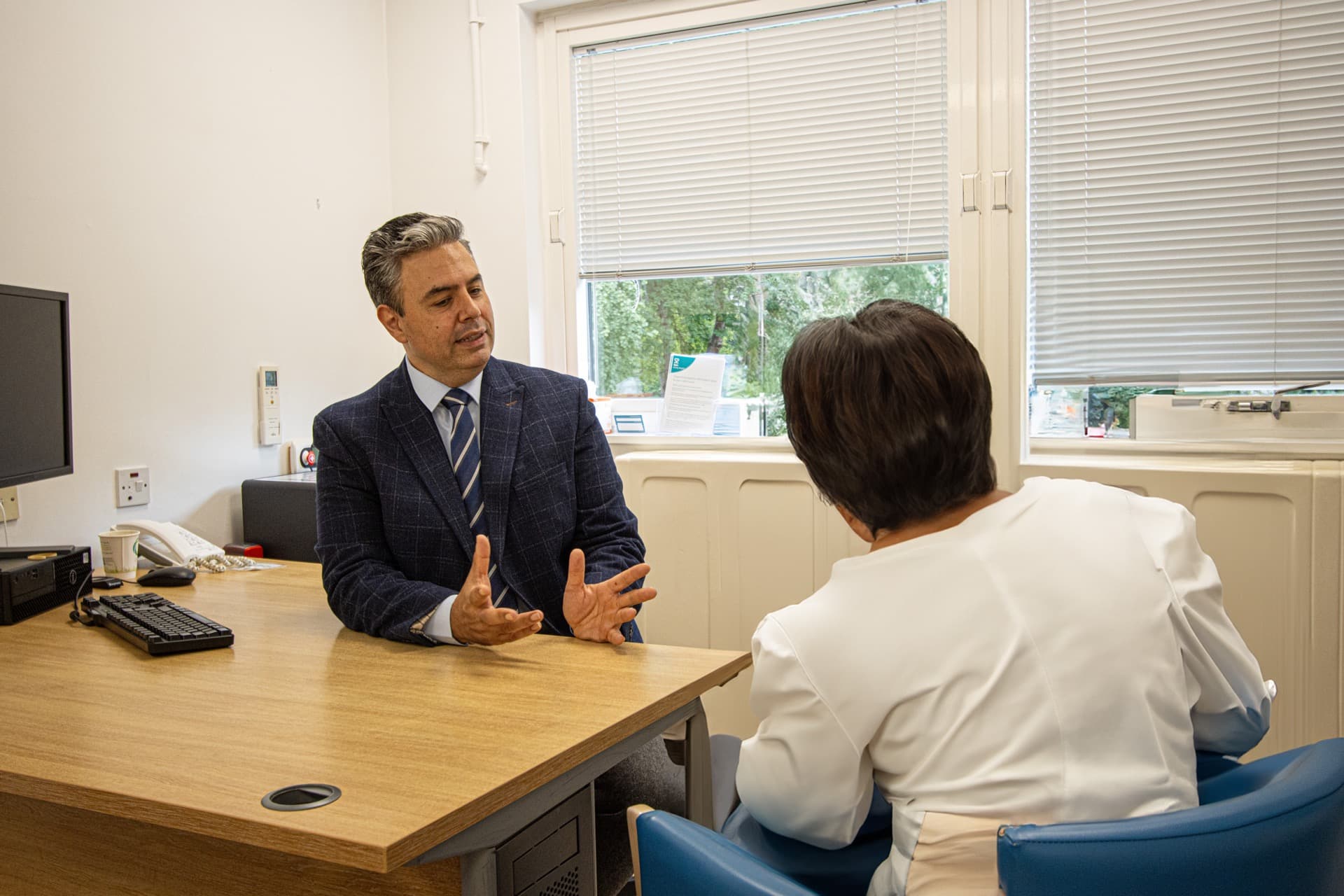
Your first appointment includes a full clinical assessment and discussion of imaging if required. I explain whether observation or repair is most appropriate and outline the surgical pathway from consultation through to recovery. Clear written information is provided so you can review options at home before making a decision.
Private patients benefit from streamlined scheduling and direct communication with my secretary regarding appointment dates and hospital location. NHS patients are seen following GP or specialist referral through established pathways at West Hertfordshire Teaching Hospitals NHS Trust and associated networks.
During your appointment, I will confirm the diagnosis, discuss repair options, and help you choose a treatment plan aligned with your health, work, and personal priorities. Contact my team to arrange a consultation and begin your pathway to effective hernia repair and recovery.