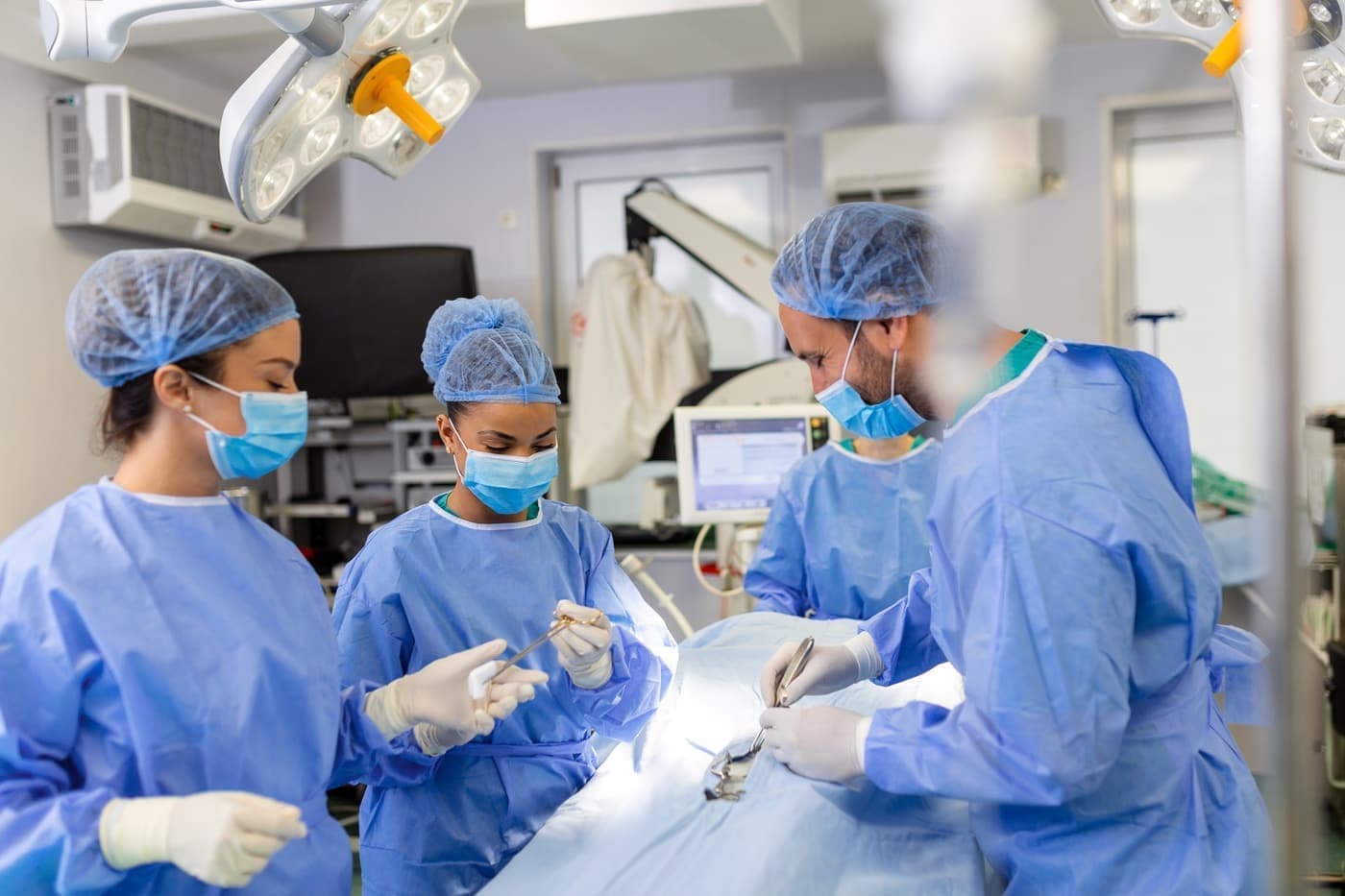
Endoscopy allows direct visual examination of the digestive tract and enables both diagnosis and treatment in a single procedure. Mr Najib Daulatzai performs colonoscopy and related endoscopic procedures with a focus on patient comfort, safety, and thorough clinical assessment.
Understanding Endoscopy
Endoscopy is a procedure that uses a flexible camera to examine the inside of the digestive tract. It is one of the most valuable tools in modern colorectal practice, allowing direct visualisation of the bowel lining and enabling both diagnosis and treatment during a single appointment. As a consultant colorectal surgeon, I perform colonoscopy and related endoscopic procedures for patients across London and Hertfordshire.
Endoscopy is used to investigate symptoms such as rectal bleeding, change in bowel habit, abdominal pain, and unexplained iron deficiency anaemia. It also plays a central role in bowel cancer screening and surveillance for patients with polyps or a family history of colorectal cancer.
Patient comfort and safety are priorities throughout every endoscopic procedure. I explain the preparation, sedation options, and what to expect on the day so you feel informed and reassured before your appointment.
Diagnostic Colonoscopy
A diagnostic colonoscopy is a procedure to examine the lining of the large bowel using a thin, flexible camera. It is the most accurate investigation available for evaluating symptoms such as rectal bleeding, a change in bowel habit, abdominal pain, and unexplained anaemia.
Mr Daulatzai is an accredited endoscopist and performs colonoscopies in a comfortable, private setting. The procedure is carried out under sedation, ensuring you are relaxed and comfortable throughout. Results and next steps are discussed with you on the same day.
Thorough bowel preparation is essential for a high-quality examination. I provide clear instructions on dietary modification and laxative use before your procedure. Good preparation improves detection rates and reduces the need for repeat examinations.
During diagnostic colonoscopy, suspicious areas can be biopsied for laboratory analysis. If a lesion requires further treatment, results and next steps are discussed promptly with a clear management plan. You will need a responsible adult to escort you home after sedation.
Surveillance Colonoscopy
For patients with a personal or family history of colorectal cancer, polyps, or inflammatory bowel disease, regular surveillance colonoscopy is an important part of long-term care. It allows any new or recurrent changes to be identified and treated early.
Mr Daulatzai provides personalised surveillance programmes tailored to your individual risk profile, in line with the latest national guidelines. Continuity of care with the same consultant endoscopist ensures consistency and peace of mind.
Surveillance intervals depend on polyp type, number, size, and family history. I follow national guidance and explain the rationale for each recommended interval. When findings require treatment, arrangements are made without delay.
Therapeutic Colonoscopy
In addition to diagnosis, colonoscopy can be used to treat a number of conditions at the time of the procedure, most commonly for the removal of bowel polyps (polypectomy). Treating polyps at the time of detection avoids the need for a separate procedure and reduces the risk of them developing into cancer over time.
Mr Daulatzai is experienced in therapeutic colonoscopic techniques including standard polypectomy, and will discuss the findings and any treatment carried out with you in full on the same day.
Polypectomy technique depends on polyp size, shape, and location. Small polyps may be removed with cold forceps or snare. Larger polyps may require advanced techniques such as endoscopic mucosal resection (EMR). I assess each polyp individually and use the safest effective method.
Flexible Sigmoidoscopy
A flexible sigmoidoscopy is a shorter procedure that examines the lower part of the bowel (the rectum and sigmoid colon). It is used to investigate symptoms such as rectal bleeding, a change in bowel habit, or to screen for colorectal cancer in lower-risk patients.
The procedure is generally well tolerated without sedation, though sedation is available if preferred. It is often used as a first-line investigation before a full colonoscopy is considered, or as part of a bowel cancer screening programme.
Where appropriate, sigmoidoscopy provides a focused assessment of the lower bowel. If the examination identifies a condition requiring full colon evaluation, colonoscopy may be arranged. I advise on the most suitable investigation based on your symptoms and clinical findings.
Inflammatory Bowel Disease Assessment
Endoscopy is essential in the diagnosis and monitoring of inflammatory bowel disease, including Crohn's disease and ulcerative colitis. Visual assessment of mucosal inflammation, combined with biopsy, guides treatment decisions and long-term management.
Surveillance colonoscopy is also recommended for patients with longstanding colitis due to increased cancer risk. I plan surveillance intervals in line with current guidelines and discuss findings and recommendations after each procedure.
Preparing for Your Procedure
Successful endoscopy depends on good preparation and clear communication. Before your appointment, you will receive detailed instructions on diet, medication adjustments, and bowel preparation. Following these instructions closely improves examination quality and patient safety.
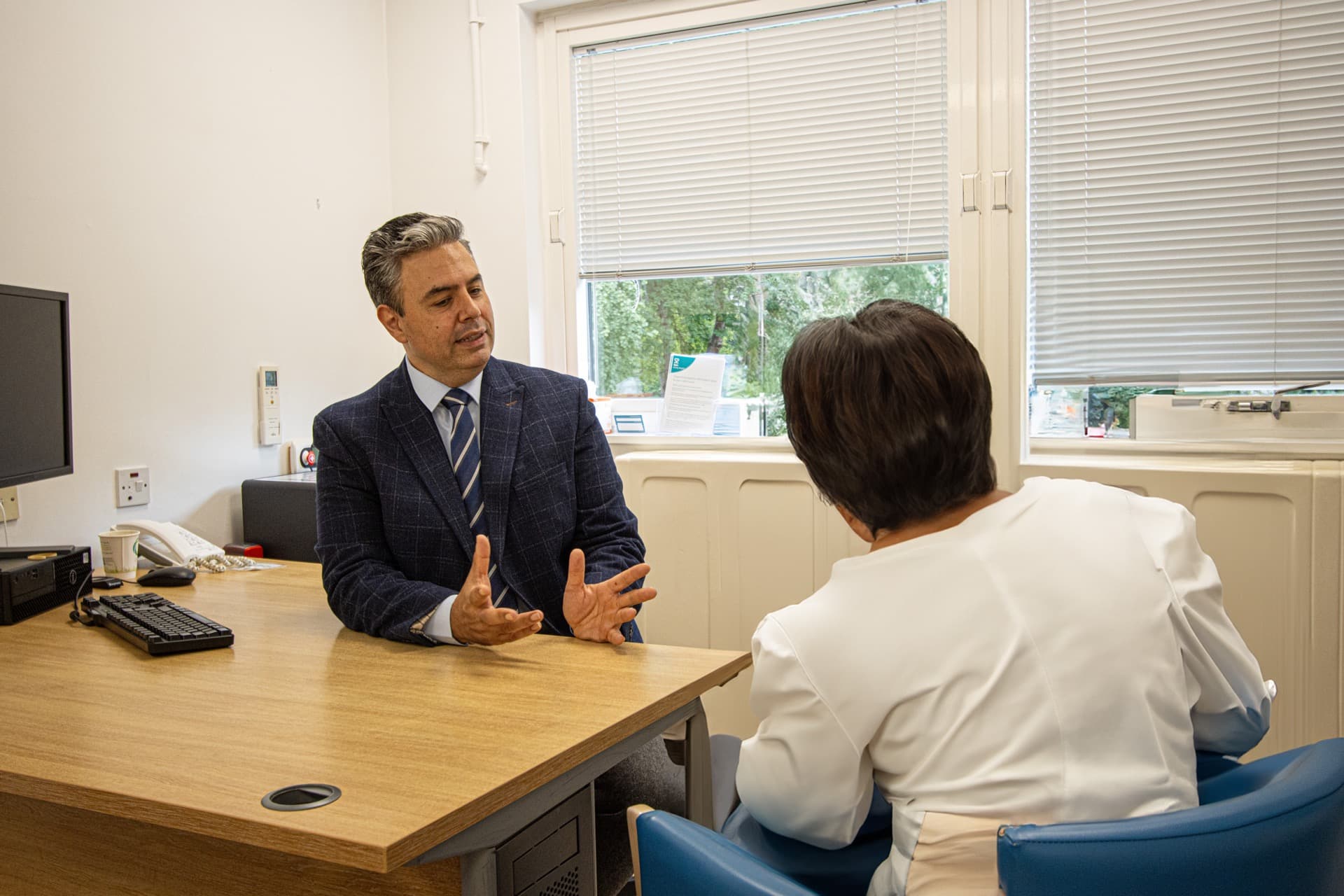
On the day of your procedure, nursing staff will guide you through admission and consent. I will review your medical history, explain the procedure again, and answer any remaining questions before sedation and examination begin.
After endoscopy, you will receive a summary of findings and preliminary advice. Biopsy results are reviewed when available, and follow-up arrangements are made if further treatment or surveillance is needed.
Booking an Endoscopy Consultation
If you have been advised to undergo colonoscopy, or you have symptoms requiring bowel investigation, specialist assessment ensures the right test at the right time. I offer endoscopy consultations and procedures through NHS referral and private practice at leading hospitals in London and Hertfordshire.
Referral can be arranged by your GP or through direct private enquiry. My secretary will confirm appointment availability, hospital location, and any pre-assessment requirements. For patients with complex medical histories, pre-procedure review ensures sedation and monitoring plans are tailored to your needs.
Quality endoscopy depends on meticulous technique and adequate examination time. I prioritise complete visualisation of the colon and careful documentation of findings, supporting accurate diagnosis and appropriate follow-up. Results are communicated clearly, with copies sent to your GP where requested.
My team will guide you through referral, preparation, and appointment scheduling. Contact us to arrange a consultation and take the next step toward clear diagnosis, effective treatment, and peace of mind about your bowel health.