Condition-led
Itchy Bottom (Pruritus Ani): Causes, Treatment and When to See a Specialist

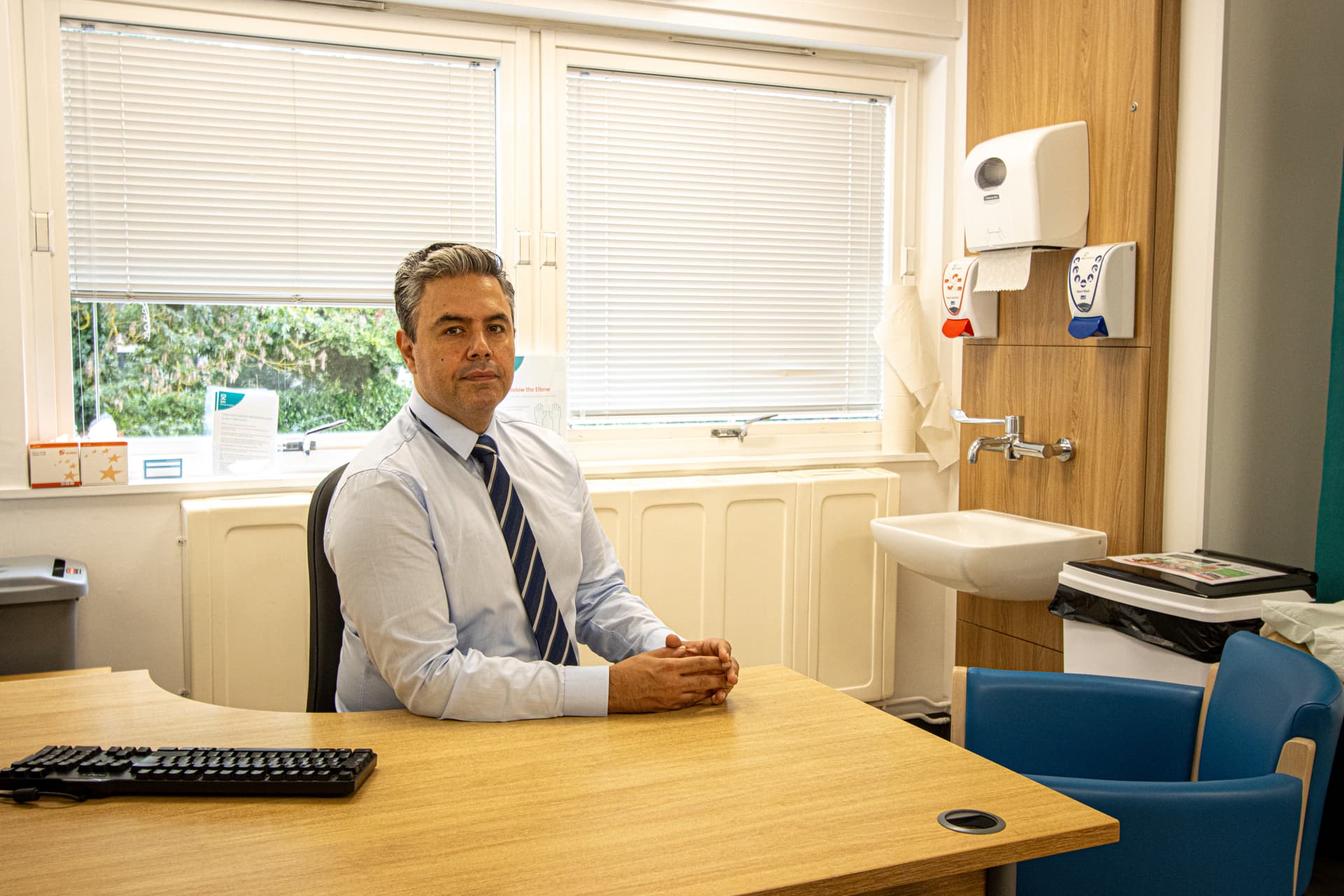
Mr Najib Daulatzai
Consultant Robotic, Colorectal and General Surgeon
High-volume robotic surgeon and Lead for Colorectal Surgery at West Hertfordshire Teaching Hospitals NHS Trust. Sees and operates on private patients at Spire Bushey Hospital, HCA The Wellington Hospital and Cleveland Clinic London.
An itchy bottom, known medically as pruritus ani, is very common. Many people put up with it for months because they feel embarrassed to mention it. In most cases there is a simple cause, and the itch can be brought under control.
What causes an itchy bottom?
Skin irritation is the most common cause. Over-cleaning, scrubbing, wet wipes, perfumed soaps and bubble baths can all irritate the delicate skin around the anus. So can sweat and moisture, especially in warm weather or after exercise. Anal conditions such as haemorrhoids (piles), anal fissures, skin tags and fistulas can cause itching, often because they make the area harder to keep clean and dry. Leakage of small amounts of mucus or stool, which many people are not aware of, keeps the skin moist and irritated. Skin conditions such as eczema, psoriasis and allergic reactions to creams or toilet products can affect the area. Infections including threadworms (particularly in households with children) and fungal infections are other causes. Diet can play a part. Coffee, tea, fizzy drinks, alcohol, spicy food and citrus fruits are common triggers for some people. Rarely, persistent itching can be a sign of a more serious skin change or cancer around the anus, which is why it should be checked if it does not settle.
What can you do to help?
- Clean gently with plain water after opening your bowels, and pat the area dry rather than rubbing.
- Avoid wet wipes, perfumed soaps and bubble baths.
- Wear loose cotton underwear and change it daily.
- Try not to scratch, as this damages the skin and makes the itch worse. Keeping nails short helps, especially at night.
- Eat enough fibre and drink plenty of fluids so stools are soft and easy to pass.
- Cut back on possible food and drink triggers for a few weeks to see if it helps.
- Avoid using over-the-counter steroid creams for long periods unless advised by a doctor, as they can thin the skin.
When should you see a doctor?
See your GP or a specialist if the itching lasts more than a few weeks despite these measures, or if you also have bleeding, a lump, pain, discharge or a change in your bowel habit.
What happens at your appointment?
I will ask about your symptoms and routine, and examine the area, usually including a quick check inside the anus with a proctoscope. This often shows the cause, such as piles or a fissure, which can then be treated directly. If needed, I can arrange further tests.
Getting checked
An itchy bottom is nothing to be embarrassed about, and it is usually straightforward to treat once the cause is found. I see patients at Spire Bushey Hospital, with appointments at The Wellington Hospital, HCA Golders Green and Cleveland Clinic London on request. Book online at Spire Bushey or contact my secretary.
Related reading
If you would like to discuss your symptoms or treatment options, please contact us to book a consultation.