Condition-led
Anal Fissure: Why It Hurts and How It Heals

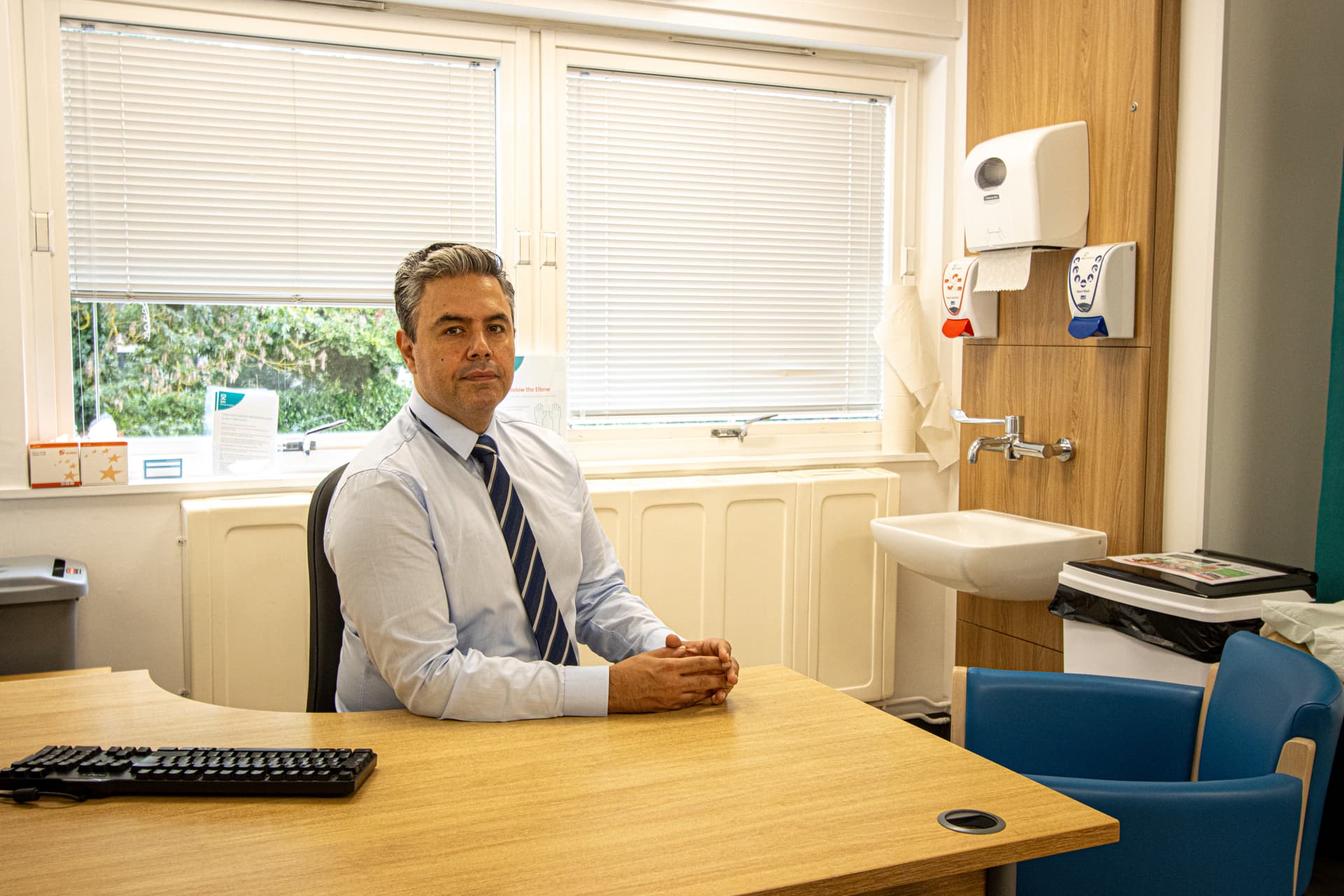
Mr Najib Daulatzai
Consultant Robotic, Colorectal and General Surgeon
High-volume robotic surgeon and Lead for Colorectal Surgery at West Hertfordshire Teaching Hospitals NHS Trust. Sees and operates on private patients at Spire Bushey Hospital, HCA The Wellington Hospital and Cleveland Clinic London.
An anal fissure is a small tear in the skin lining the anus. It is very common, affects all ages, and can be surprisingly painful for something so small. The good news is that most fissures heal without surgery.
What are the symptoms?
The classic symptom is a sharp, tearing pain when you open your bowels, often described as like passing glass. This is usually followed by a deep, burning ache that can last for an hour or more. You may also notice a small amount of bright red blood on the toilet paper, and sometimes a small skin tag near the tear. Many people start to dread going to the toilet, which can lead to holding on, harder stools and a cycle that makes the fissure worse.
What causes a fissure?
Most fissures follow passing a hard or large stool, or a bout of diarrhoea. Constipation, pregnancy and childbirth are common triggers. The muscle around the anus (the internal sphincter) often goes into spasm, which reduces blood flow to the tear and slows healing. This is why some fissures become long-lasting. Fissures in unusual positions, or ones that do not heal, can occasionally be linked to other conditions such as Crohn's disease, which is another reason to have persistent symptoms assessed.
How is it treated?
First steps. Keeping stools soft is the most important part of treatment: more fibre, plenty of fluids and a gentle laxative if needed. Warm baths can ease the spasm and pain. Prescribed ointments. Ointments that relax the sphincter muscle, such as glyceryl trinitrate (GTN) or diltiazem, improve blood flow and allow the tear to heal. They are usually used for six to eight weeks, and most fissures heal with this treatment. Botox injection. If ointments do not work, a botulinum toxin injection into the sphincter muscle can relax it temporarily and give the fissure a chance to heal. This is a short day-case procedure. Surgery. For fissures that do not heal with other treatment, a small operation called a lateral internal sphincterotomy may be recommended. It reliably heals most chronic fissures. I will discuss the benefits and risks, including the small risk of affecting continence, so we can decide together.
When should you get help?
See a doctor if you have pain on opening your bowels that lasts more than a week or two, bleeding that keeps coming back, or if the pain is stopping you going to the toilet. Bleeding can have other causes, so it is always worth having it checked properly.
Getting checked
A fissure can usually be diagnosed at a single consultation, often just by gently examining the area. I see patients at Spire Bushey Hospital, with appointments at The Wellington Hospital, HCA Golders Green and Cleveland Clinic London on request. Book online at Spire Bushey or contact my secretary.
Related reading
If you would like to discuss your symptoms or treatment options, please contact us to book a consultation.