Condition-led
What is diverticular disease and can it be cured?
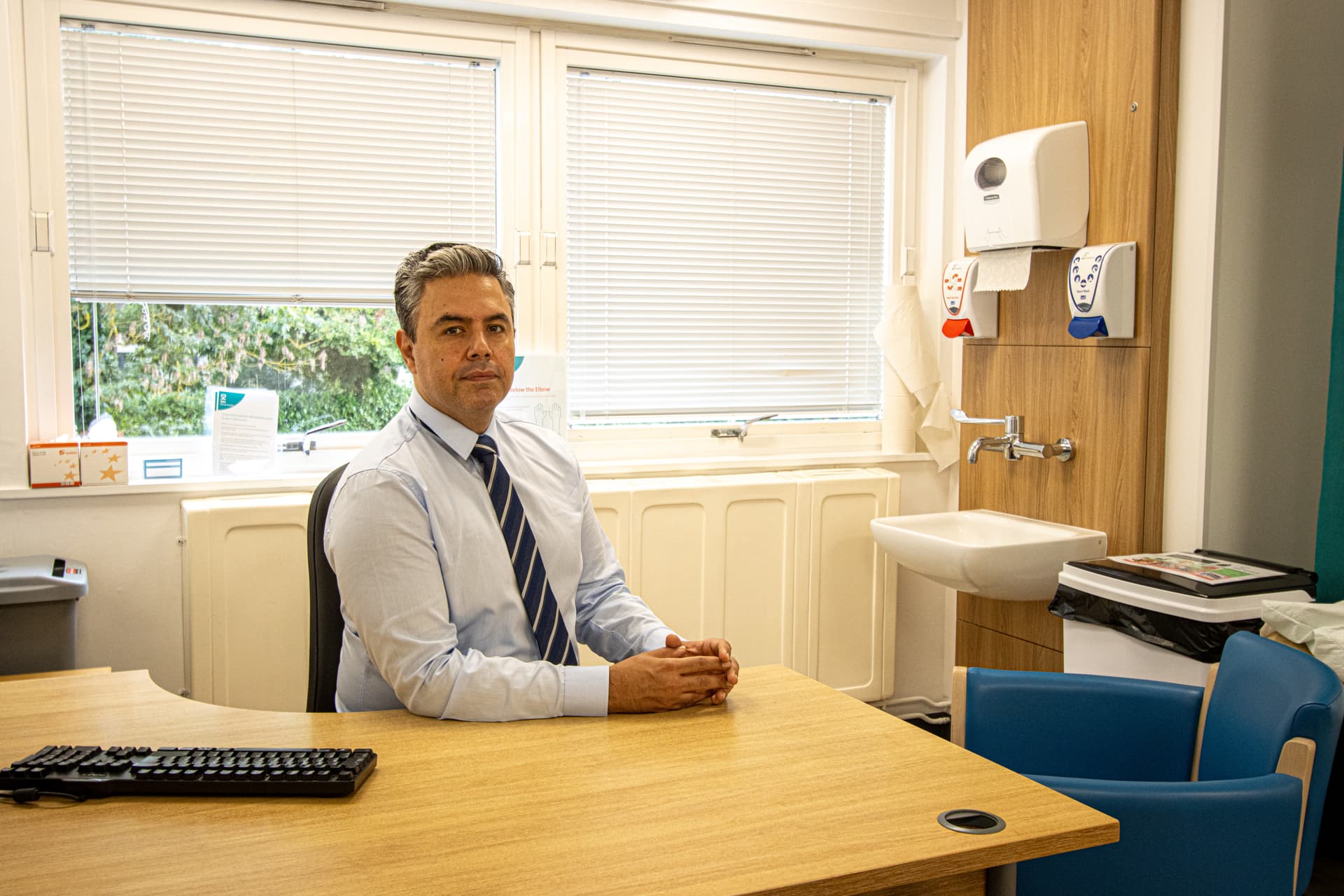
Mr Najib Daulatzai
Consultant Robotic, Colorectal and General Surgeon
Consultant surgeon at West Hertfordshire Teaching Hospitals NHS Trust, with private practice across London and Hertfordshire. Specialist in robotic and minimally invasive colorectal surgery.
Diverticular disease is one of the most common conditions affecting the large bowel in the Western world, yet many patients who are diagnosed with it have very little understanding of what it means for their health or their future. Here I aim to explain the condition clearly and address the question I am most frequently asked: can it be cured?
What is diverticular disease?
Diverticula are small pouches that develop in the wall of the colon, most commonly in the sigmoid colon, the lower left section of the large bowel. They form when areas of weakness in the bowel wall bulge outward under pressure, rather like a weak spot in a bicycle tyre. The presence of these pouches is known as diverticulosis. Diverticular disease refers to the broader spectrum of symptoms and complications that can arise from diverticula. Many people with diverticulosis have no symptoms at all and are entirely unaware of the condition. However, a proportion will develop diverticulitis, inflammation or infection of the pouches, which can range from mild and manageable to severe and requiring hospital admission.
What are the symptoms?
Uncomplicated diverticular disease may cause intermittent lower abdominal pain, bloating, and a change in bowel habit. Diverticulitis typically presents with more persistent left-sided abdominal pain, fever, nausea, and sometimes vomiting. Complications of diverticulitis include abscess formation, perforation of the bowel, and the development of fistulas, abnormal connections between the bowel and adjacent structures such as the bladder.
Can diverticular disease be cured?
Once diverticula have formed, they do not disappear. In that sense, diverticulosis is a permanent anatomical change. However, this does not mean the condition cannot be effectively managed. The majority of patients with diverticular disease lead entirely normal lives with appropriate dietary modifications, in particular, increasing fibre intake, and lifestyle adjustments. For patients who experience recurrent episodes of diverticulitis, or who develop complications such as abscess, fistula, or perforation, surgery may be recommended. A sigmoid colectomy: removal of the affected segment of bowel, can in these cases provide a definitive cure, eliminating the source of repeated inflammation and significantly improving quality of life. I perform this procedure using robotic and laparoscopic minimally invasive techniques wherever possible, allowing for a faster recovery than traditional open surgery.
When should you see a specialist?
If you have been diagnosed with diverticular disease and are experiencing recurrent or severe symptoms, a consultation with a colorectal surgeon is worthwhile. I can review your history, assess your imaging, and discuss whether surgical management is likely to offer you benefit, or whether continued conservative management is the more appropriate course.
If you would like to discuss your symptoms or treatment options, please contact us to book a consultation.