Procedure-led
What is a stoma and is it always permanent?

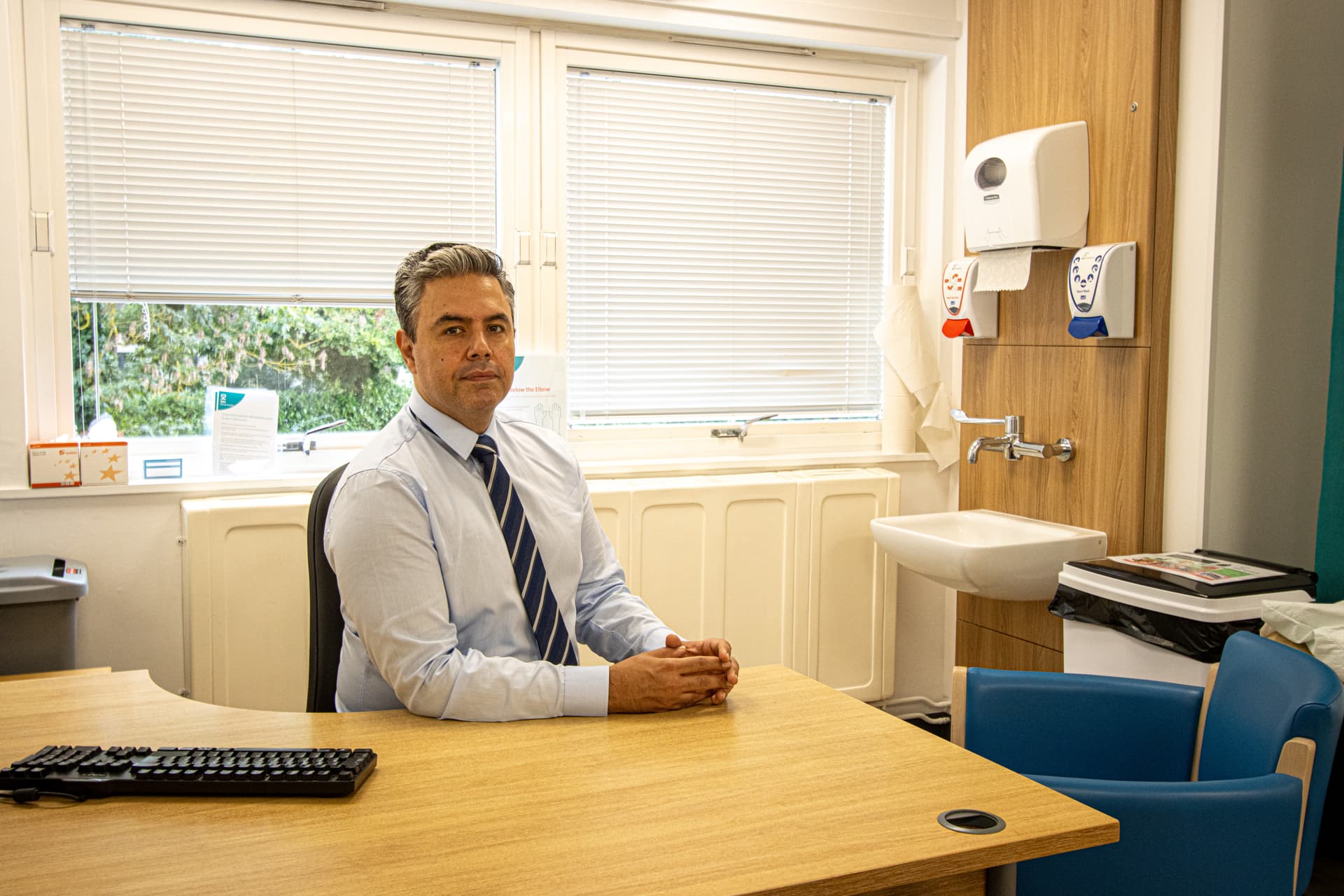
Mr Najib Daulatzai
Consultant Robotic, Colorectal and General Surgeon
Consultant surgeon at West Hertfordshire Teaching Hospitals NHS Trust, with private practice across London and Hertfordshire. Specialist in robotic and minimally invasive colorectal surgery.
For many patients facing bowel surgery, the possibility of a stoma is one of the most anxiety-provoking aspects of the whole process. In my experience, much of that anxiety is based on misunderstanding, and in particular, on the assumption that a stoma is always permanent. In many cases, it is not.
What is a stoma?
A stoma is a surgically created opening in the abdominal wall through which part of the bowel is brought to the surface of the skin, allowing bowel contents to be collected in a bag worn on the abdomen. There are two main types relevant to colorectal surgery: a colostomy, which is formed from the large bowel, and an ileostomy, which is formed from the small bowel. Both produce waste that is collected in a stoma bag, which is changed regularly and managed with the support of specialist stoma nurses.
When is a stoma needed?
A stoma may be formed as part of bowel surgery for a number of reasons. It may be required because the bowel needs to be protected whilst a join (anastomosis) heals, in this case it is a temporary, defunctioning stoma. It may be needed because it was not possible to safely rejoin the bowel ends, for example in very low rectal cancer surgery (abdominoperineal resection) or in emergency surgery performed on an unprepared bowel. Or it may be formed as a permanent measure in patients where restoration of bowel continuity is not possible or appropriate.
Is it always permanent?
No. A significant proportion of stomas formed during colorectal surgery are temporary. A loop ileostomy formed to protect a bowel join after rectal surgery, for example, is typically reversed after approximately eight to twelve weeks, once the anastomosis has healed and been confirmed safe on X-ray. The reversal operation is considerably smaller and simpler than the original procedure. Whether a stoma is likely to be temporary or permanent will be discussed with you in detail before your operation. I will always be clear and honest about what is anticipated, whilst acknowledging that occasionally the situation at the time of surgery means that plans change.
What is life with a stoma like?
Modern stoma care is excellent. Specialist stoma nurses provide support before and after surgery, and the products available today are discreet, reliable, and easy to manage. Many patients with a stoma, including those with a permanent stoma, report a quality of life that is significantly better than before surgery, particularly when the alternative was living with poorly controlled, debilitating bowel disease.
If you would like to discuss your symptoms or treatment options, please contact us to book a consultation.