Condition-led
Ulcerative colitis, when is surgery the right choice?
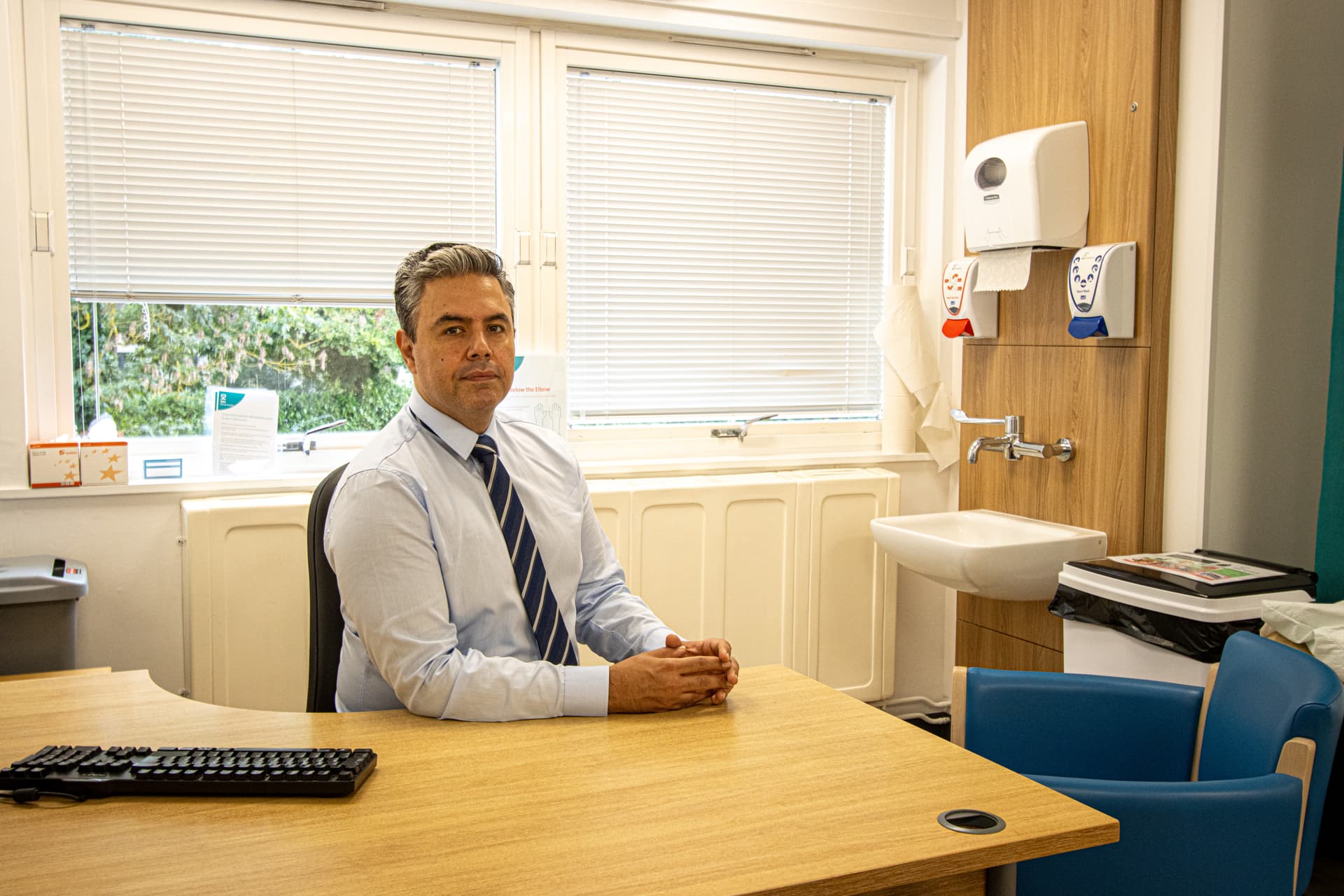
Mr Najib Daulatzai
Consultant Robotic, Colorectal and General Surgeon
Consultant surgeon at West Hertfordshire Teaching Hospitals NHS Trust, with private practice across London and Hertfordshire. Specialist in robotic and minimally invasive colorectal surgery.
Ulcerative colitis is a chronic inflammatory bowel disease that affects the lining of the colon and rectum. For the majority of patients, the condition is managed with medication, and for many, this works well. But for a significant proportion, medical management alone is not enough. Understanding when surgery offers the best outcome is one of the most important conversations I have with my patients.
How is ulcerative colitis different from Crohn's disease?
Unlike Crohn's disease, which can affect any part of the gastrointestinal tract, ulcerative colitis is confined to the colon and rectum. Importantly, this means that surgical removal of the colon and rectum, a colectomy can effectively cure the disease. This is a significant consideration when weighing up surgical versus ongoing medical management.
When is surgery recommended?
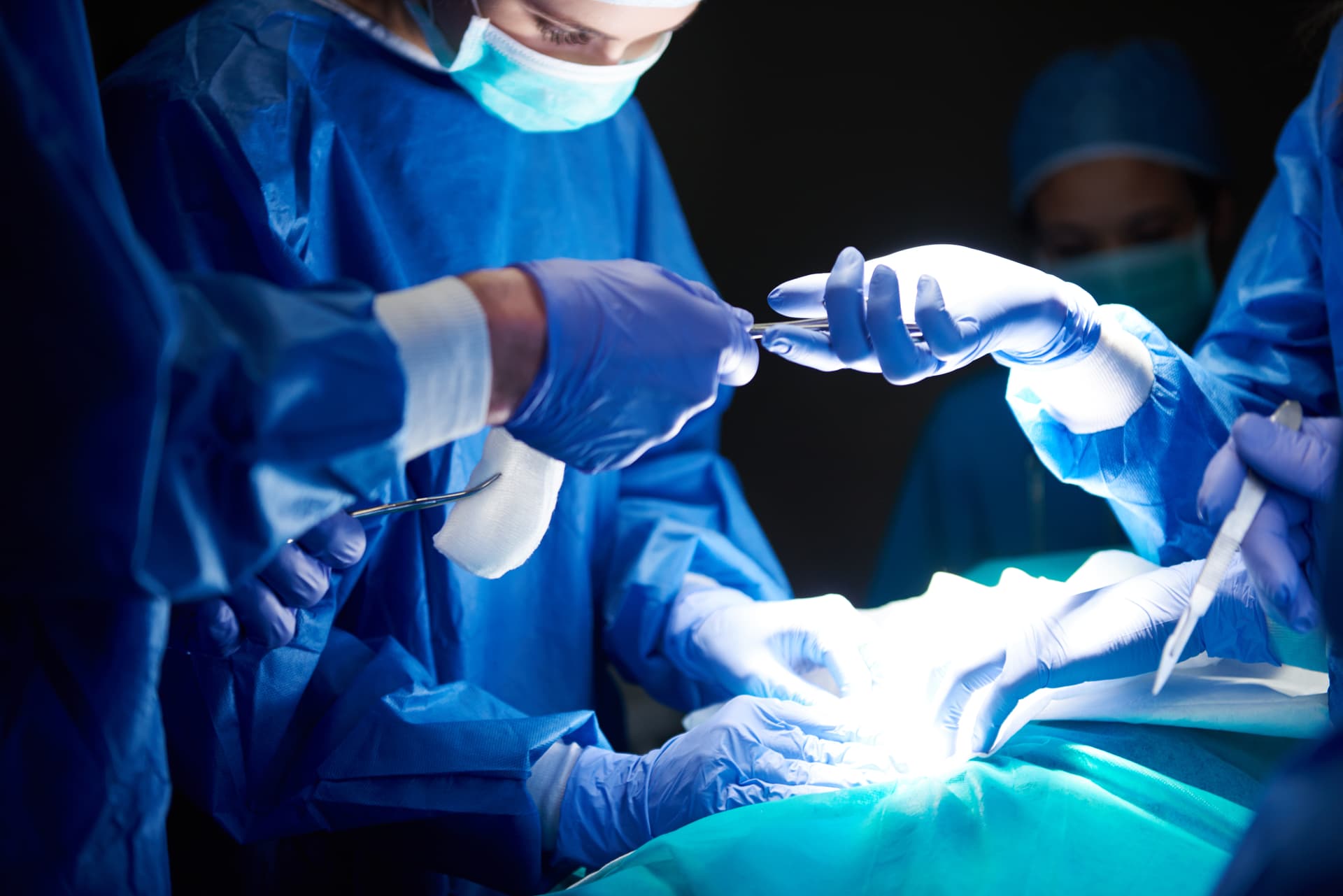
Surgery is considered in several situations. In the acute setting, a severe flare of colitis that does not respond to intensive medical therapy or that causes life-threatening complications such as toxic megacolon or perforation, requires emergency colectomy. In the elective setting, surgery is recommended when the disease is inadequately controlled despite optimal medical therapy, when the side effects of long-term medication are unacceptable, or when dysplasia or cancer is detected during surveillance.
What surgical options are available?
The standard curative procedure for ulcerative colitis is a proctocolectomy: removal of the entire colon and rectum. For suitable patients, this is combined with the formation of an ileal pouch (J-pouch), which is constructed from the small bowel and connected to the anal canal, restoring the ability to pass stools normally without a permanent stoma. Pouch surgery is typically performed in two or three stages, with a temporary ileostomy in place whilst the pouch heals. I perform pouch surgery using robotic techniques, and trained in this procedure at St Mark's Hospital London, one of the world's foremost centres for pouch surgery. Not every patient is suitable for a pouch, and I will discuss with you in detail whether it is the right option based on your individual circumstances. For patients who are not suitable for a pouch, or who prefer not to have one, a permanent end ileostomy is the alternative. Modern stoma care is excellent, and many patients with a permanent stoma report a significantly improved quality of life compared to living with active, poorly controlled colitis.
Is surgery a failure of medical treatment?
Absolutely not. Surgery for ulcerative colitis is a well-established, effective treatment that offers the prospect of a cure. For patients who have spent years managing a difficult, unpredictable condition, surgery, particularly pouch surgery, can be genuinely life-changing. The decision to operate is always made collaboratively, in full discussion with the patient and the wider multidisciplinary team.
If you would like to discuss your symptoms or treatment options, please contact us to book a consultation.