Procedure-led
Robotic Inguinal Hernia Repair: What to Expect and Recovery
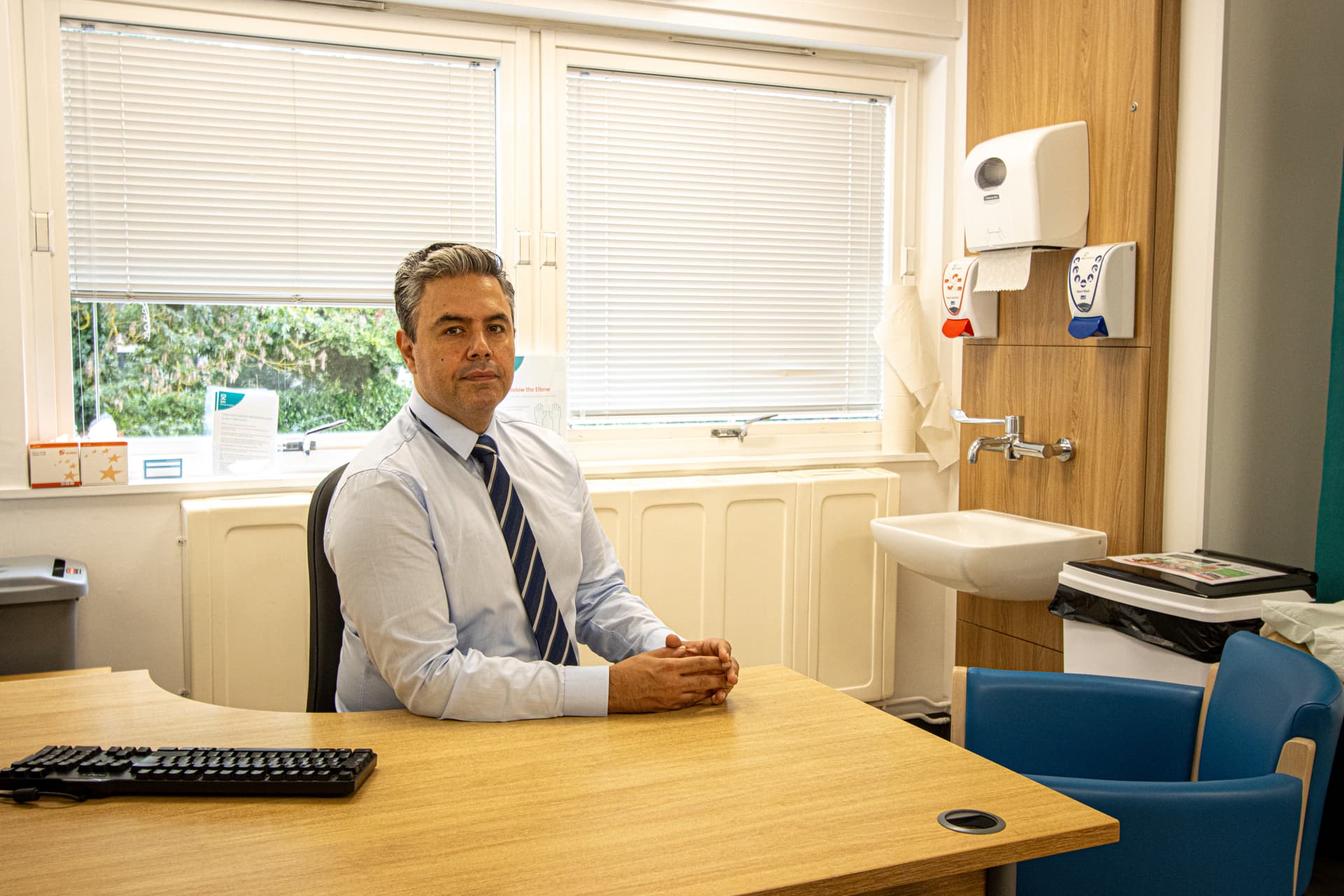
Mr Najib Daulatzai
Consultant Robotic, Colorectal and General Surgeon
High-volume robotic surgeon and Lead for Colorectal Surgery at West Hertfordshire Teaching Hospitals NHS Trust. Sees and operates on private patients at Spire Bushey Hospital, HCA The Wellington Hospital and Cleveland Clinic London.
An inguinal hernia is a bulge in the groin where part of the bowel or fatty tissue pushes through a weak spot in the muscle wall. It is very common, particularly in men, and is one of the operations I perform most often. Many of my patients now have their hernia repaired robotically.
Do all hernias need an operation?
Not always. A small hernia that causes no symptoms can sometimes be watched. But hernias do not go away on their own and usually get bigger over time. Surgery is recommended if the hernia is painful, getting larger, or affecting your daily life. Seek urgent medical help if a hernia becomes very painful, hard or tender and cannot be pushed back, especially if you also feel sick or are vomiting. This can mean the hernia is trapped and needs emergency treatment.
What is robotic hernia repair?
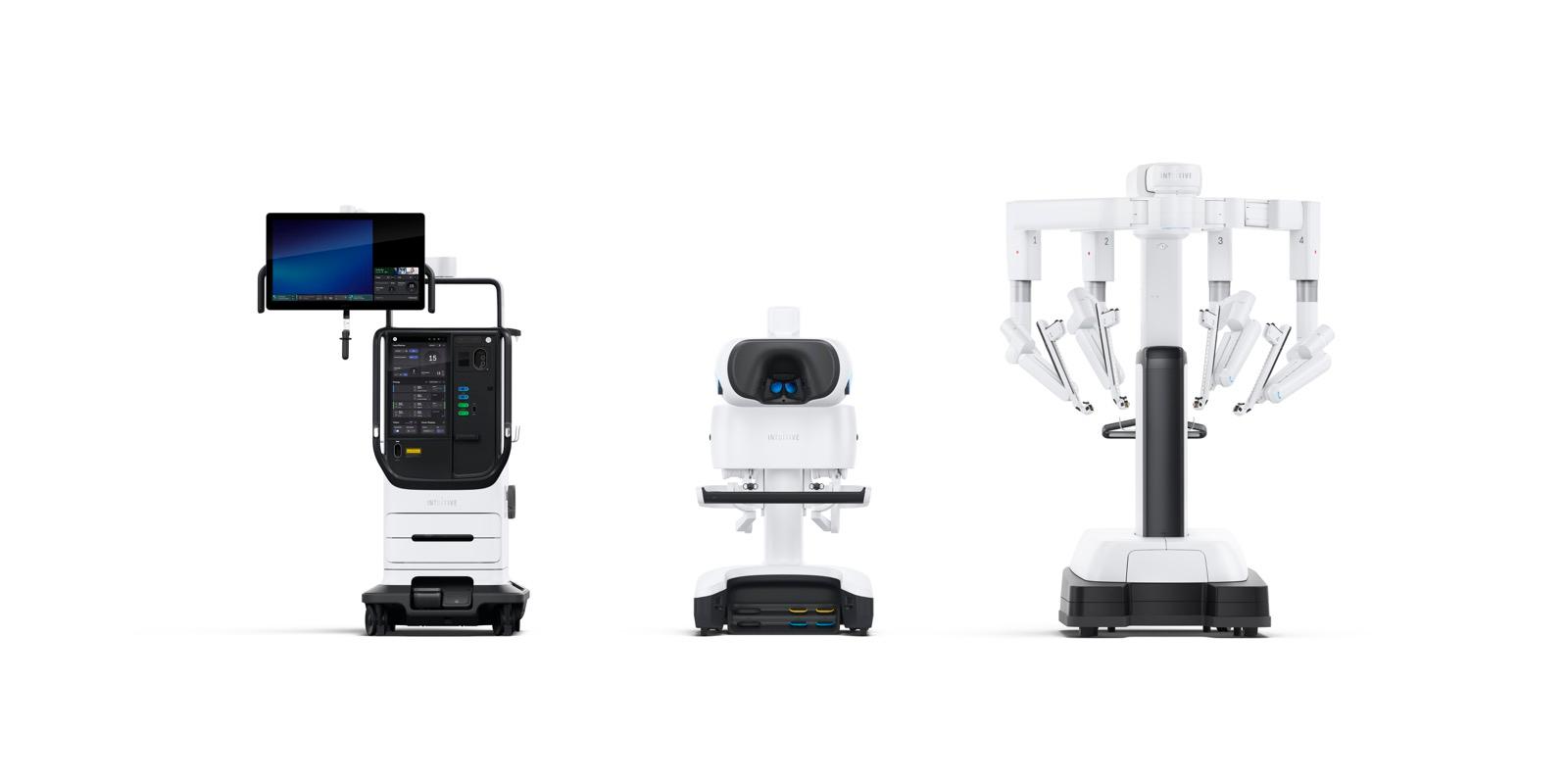
Robotic surgery is a form of keyhole surgery. The operation is done through three small cuts in the abdomen. I sit at a console and control the robotic instruments, which give a magnified 3D view and very precise movement. The weak area is repaired from the inside and reinforced with a mesh. Because the repair is done from inside the abdomen, both sides can be checked, and repaired if needed, through the same small cuts.
What are the benefits?
Compared with traditional open surgery, keyhole and robotic repair usually mean less pain after the operation, smaller scars and a quicker return to normal activities. The magnified view and precise instruments are particularly helpful for hernias on both sides, hernias that have come back after previous surgery, and more complex repairs. Not every hernia is best treated robotically. At your consultation I will explain which approach suits your hernia and your general health.
What does recovery involve?
Most patients go home the same day. You will be encouraged to walk around straight away. As a general guide:
- Desk work: usually within one to two weeks.
- Driving: once you can make an emergency stop comfortably, typically after one to two weeks. Check with your insurer.
- Heavy lifting and strenuous exercise: usually after about four to six weeks.
Everyone recovers differently. I will give you personal advice before your operation and see you afterwards to check how you are getting on.
Will my insurer cover robotic surgery?
Most insurers cover hernia repair, but cover for the robotic technique varies between policies. My secretary can help you check with your insurer before your operation. Self-pay prices are available on request.
Getting assessed
I see patients at Spire Bushey Hospital, with appointments at The Wellington Hospital, HCA Golders Green and Cleveland Clinic London on request, and operate at Spire Bushey, The Wellington Hospital and Cleveland Clinic London. Book online at Spire Bushey or contact my secretary.
Related reading
If you would like to discuss your symptoms or treatment options, please contact us to book a consultation.