Procedure-led
Robotic bowel surgery, what is it and why does it matter?
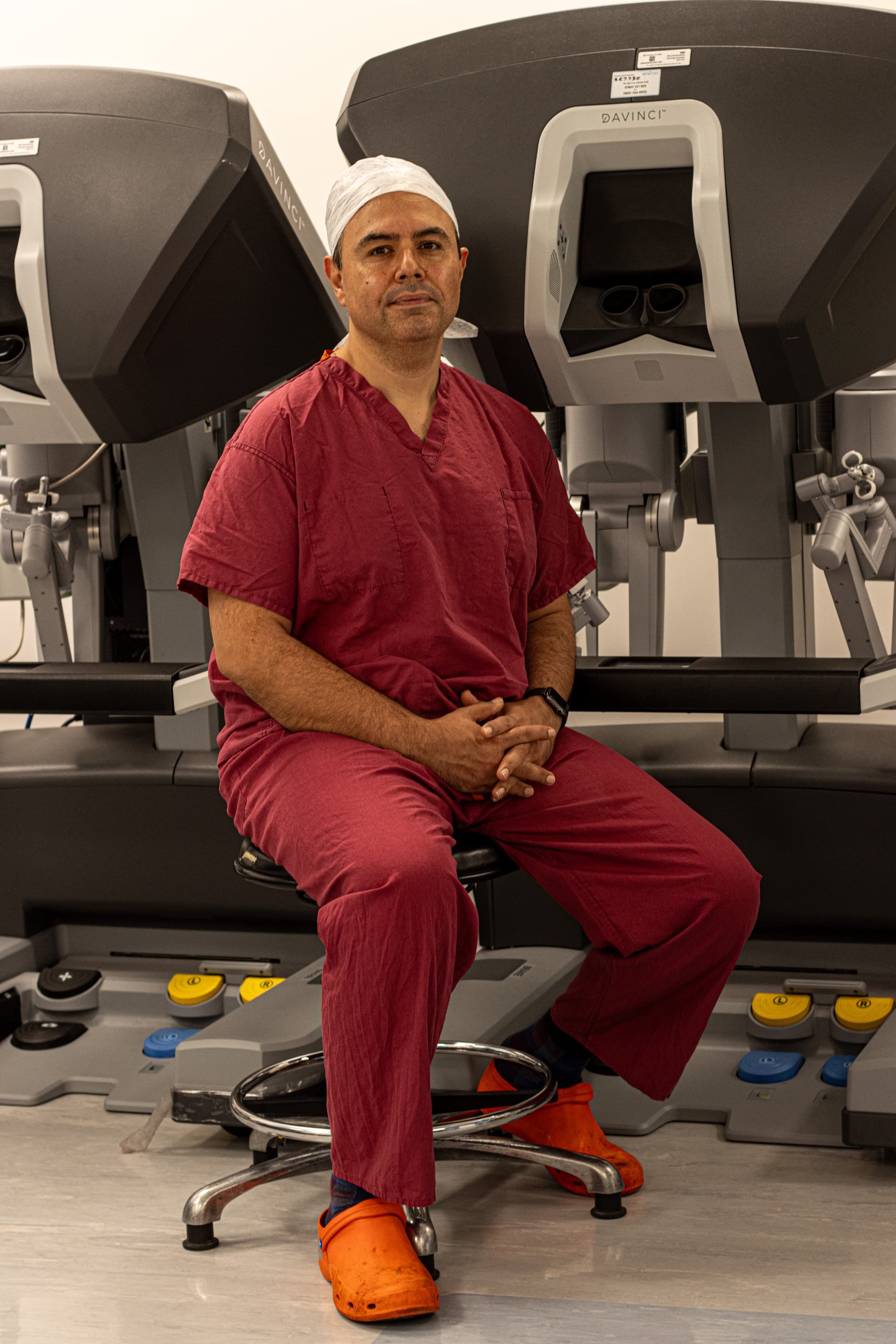
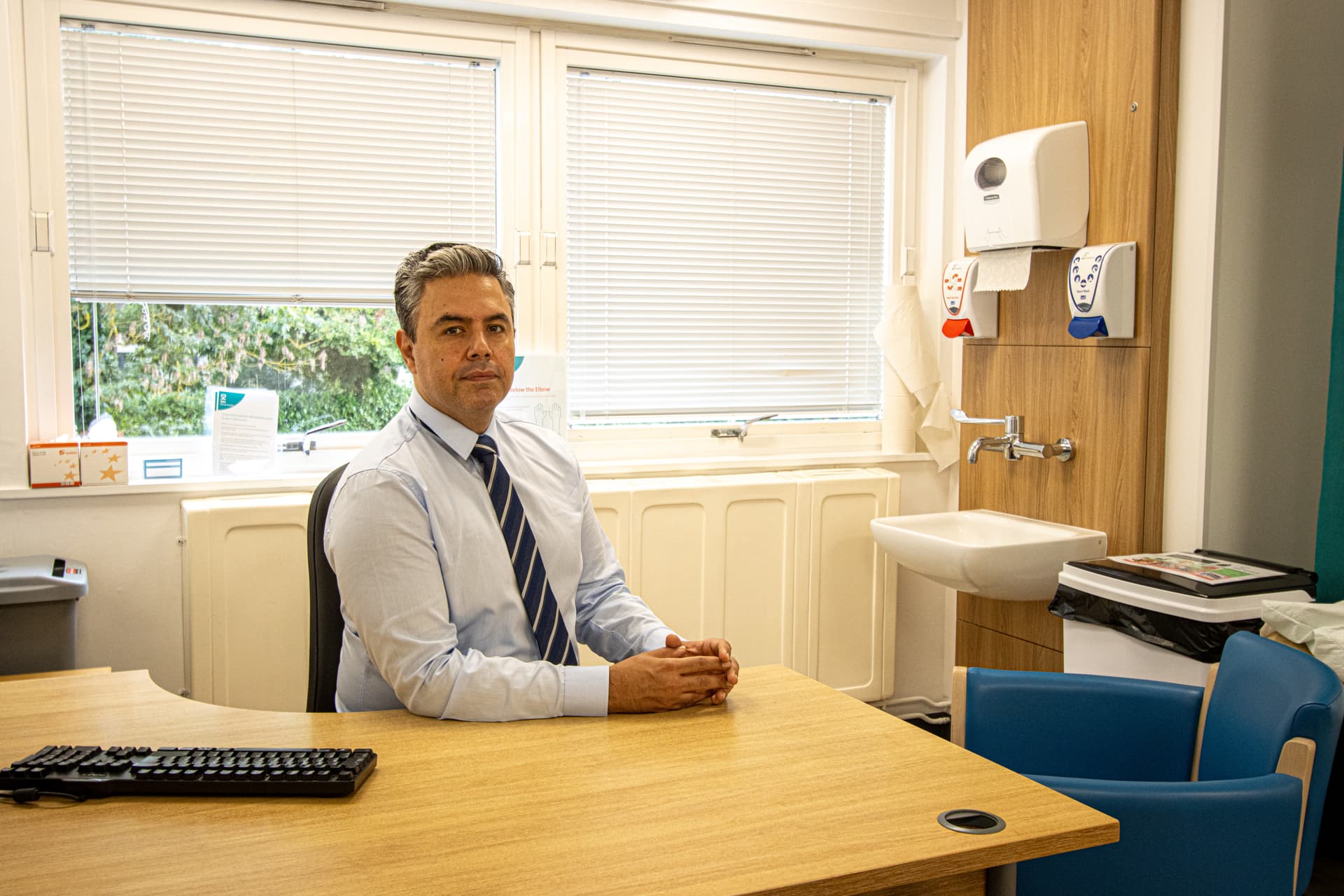
Mr Najib Daulatzai
Consultant Robotic, Colorectal and General Surgeon
Consultant surgeon at West Hertfordshire Teaching Hospitals NHS Trust, with private practice across London and Hertfordshire. Specialist in robotic and minimally invasive colorectal surgery.
Robotic surgery has transformed the way I operate. Over the past decade, it has moved from a novel technique used in a handful of specialist centres to the approach of choice for many colorectal procedures at the leading hospitals in London and beyond. If you have been told you need bowel surgery, understanding what robotic surgery is, and what it means for you, is worth the time.
What is robotic surgery?
Robotic surgery uses a sophisticated surgical system, in my practice, the da Vinci Xi and da Vinci 5 platforms, to perform operations through small incisions in the abdomen. I sit at a console and control robotic arms that hold and manipulate specialised surgical instruments inside the body. The system provides a magnified, three-dimensional high-definition view of the operative field and instruments that can move with a precision and range of motion that exceeds what the human hand can achieve directly. It is important to be clear: the robot does not operate independently. Every movement is made by me, at the console. The robotic system is a highly advanced tool that enhances what is surgically possible.
How does it compare to standard keyhole surgery?
Standard laparoscopic (keyhole) surgery already offers significant advantages over open surgery, smaller incisions, less post-operative pain, and a faster recovery. Robotic surgery builds on this foundation. The robotic instruments have a far greater range of motion than standard laparoscopic tools, the three-dimensional vision is significantly superior, and hand tremor is filtered out entirely. These advantages are most pronounced for operations in confined spaces, particularly surgery in the pelvis, where rectal cancer and other conditions require precise dissection in a very tight area.
Am I multi-platform trained?
Yes. I am trained on both the da Vinci Xi and the da Vinci 5 (DV5) robotic platforms, the latest generation of the da Vinci system. Multi-platform training is relatively uncommon and means I can offer the most appropriate and up-to-date robotic approach for each individual patient and procedure.
What are the benefits for patients?
- Less post-operative pain and reduced need for strong painkillers.
- Shorter hospital stay: typically two to three nights for major bowel resection.
- Faster return to normal activities: most patients are back to light activities within two to three weeks.
- Lower risk of wound complications and surgical site infection.
- Superior precision for complex pelvic surgery.
If you would like to discuss your symptoms or treatment options, please contact us to book a consultation.