Decision & comparison
NHS versus private colorectal surgery, what is the difference?

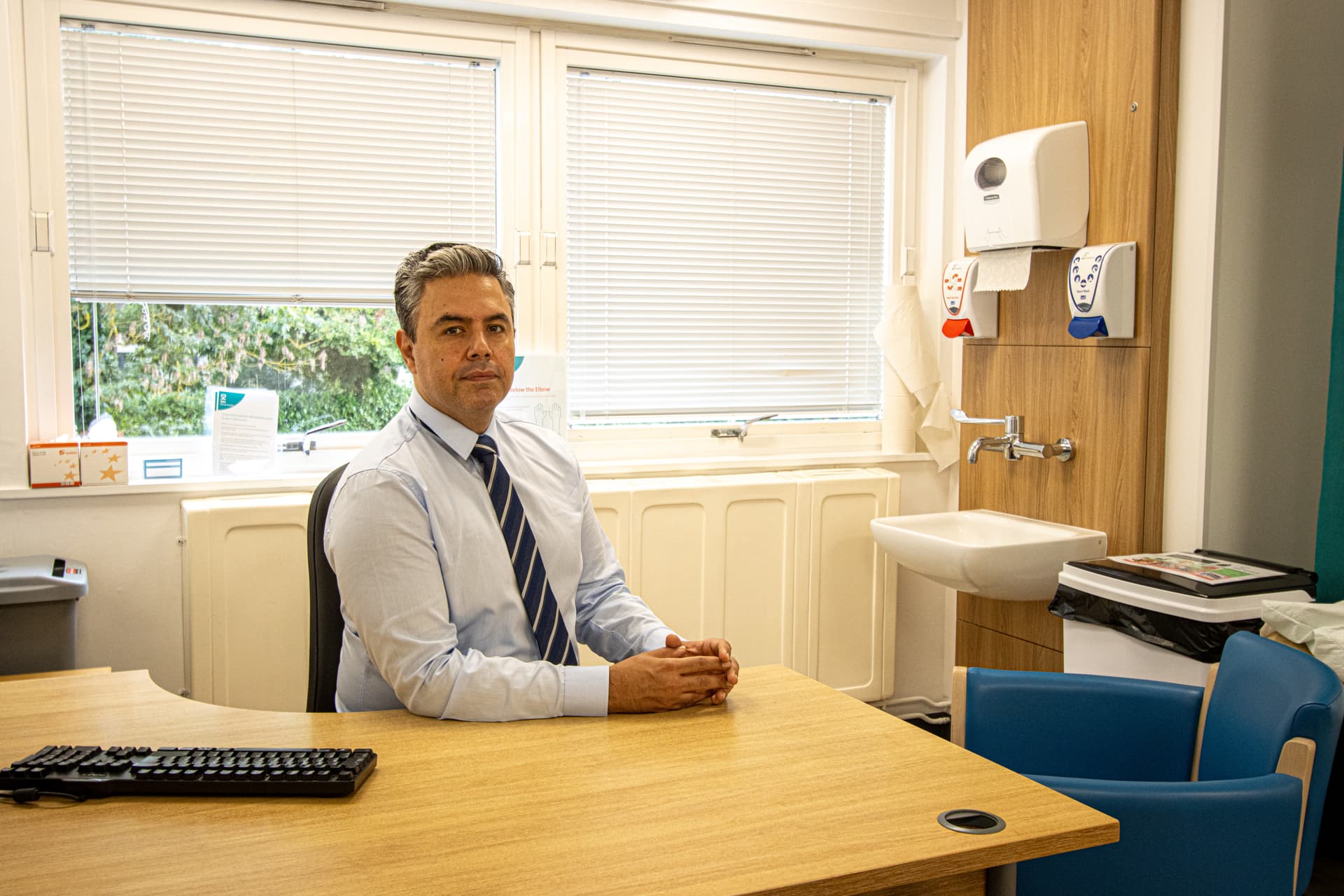
Mr Najib Daulatzai
Consultant Robotic, Colorectal and General Surgeon
Consultant surgeon at West Hertfordshire Teaching Hospitals NHS Trust, with private practice across London and Hertfordshire. Specialist in robotic and minimally invasive colorectal surgery.
As a consultant surgeon working in both the NHS and private practice, I am well placed to explain the genuine differences between the two, and to address some of the misconceptions that patients often hold. This is a question I am asked regularly, and I think it deserves a straight answer.
The surgeon is the same
The most important point to make is this: the surgeon operating on you is the same person, whether you are seen on the NHS or privately. My training, my skills, and my standards of care do not change between settings. The robotic platforms I use, the techniques I employ, and the outcomes I aim for are identical.
What is different?
The principal differences between NHS and private care relate to waiting times, choice, environment, and continuity.
- Waiting times: NHS waiting times for a first outpatient appointment and for surgery have lengthened considerably in recent years. Private patients are typically seen within a week and operated on at a mutually convenient time, often within days to weeks of the decision to proceed.
- Choice of hospital: private patients can choose their hospital and, where applicable, their preferred operating date. NHS patients are allocated to the next available slot.
- Continuity of care: in private practice, you will see the same consultant at every appointment, from first consultation through to post-operative follow-up. In the NHS, whilst I lead the team, patients may see different members of the team at different appointments depending on clinical need.
- Hospital environment: private hospitals typically offer single rooms, more flexible visiting arrangements, and a higher nurse-to-patient ratio.
Who pays and how?
Private care can be funded through private medical insurance. I am recognised by all major insurers including Bupa, AXA Health, Aviva, Vitality, WPA, and Healix, or through self-funding. Self-pay patients are very welcome, and transparent pricing is available on request. Many patients are surprised by how accessible self-pay surgery is, particularly for straightforward procedures.
Is private care always better?
Not necessarily. For complex cancer surgery requiring a large multidisciplinary team, intensive care support, and specialist nursing, NHS tertiary centres offer resources and expertise that are genuinely world-class. The NHS remains outstanding for urgent and emergency care. The advantages of private care are most pronounced for elective procedures where waiting time, choice, and continuity are the primary concerns.
If you would like to discuss your symptoms or treatment options, please contact us to book a consultation.