Condition-led
Hernia symptoms, how do you know when to have it repaired?
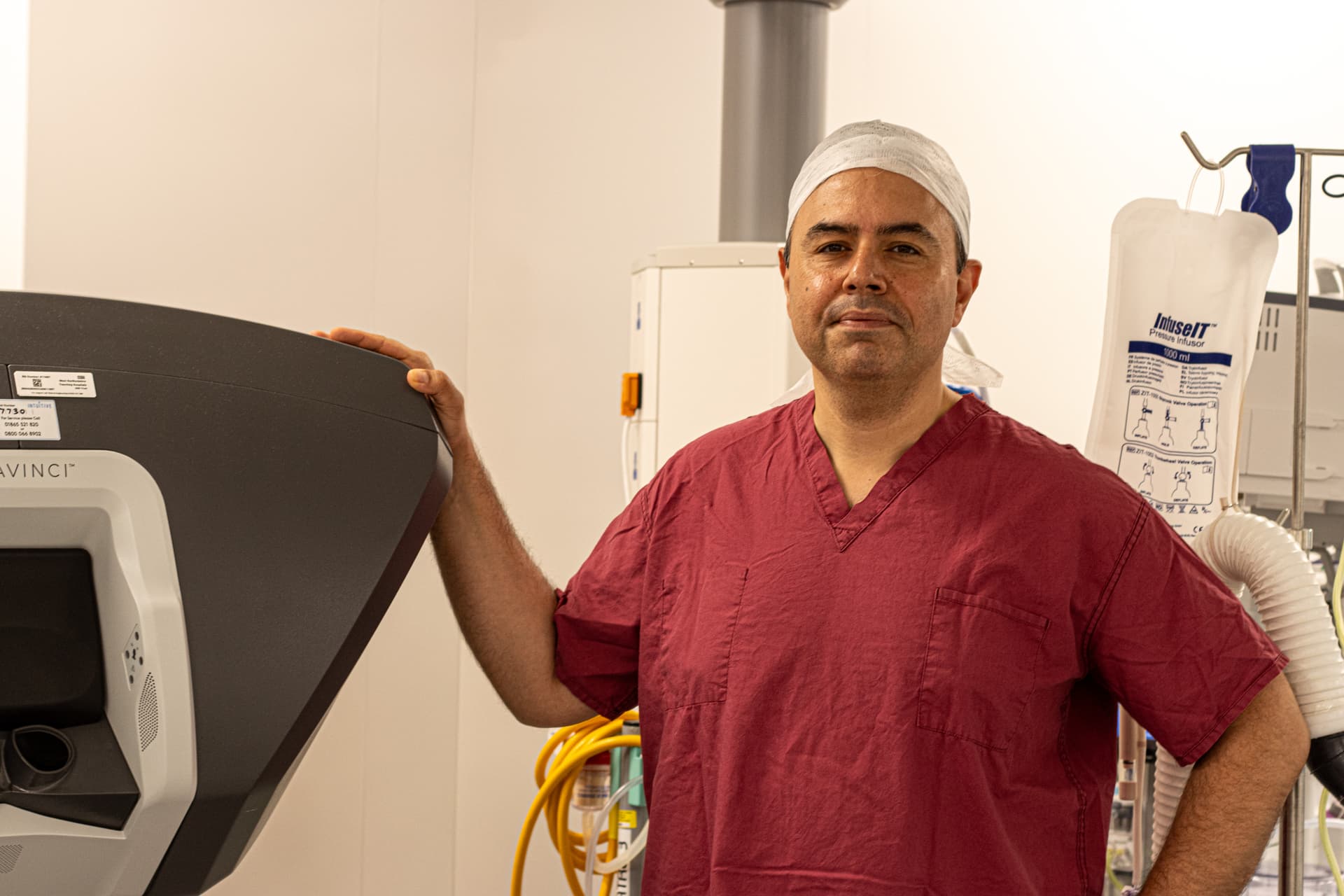
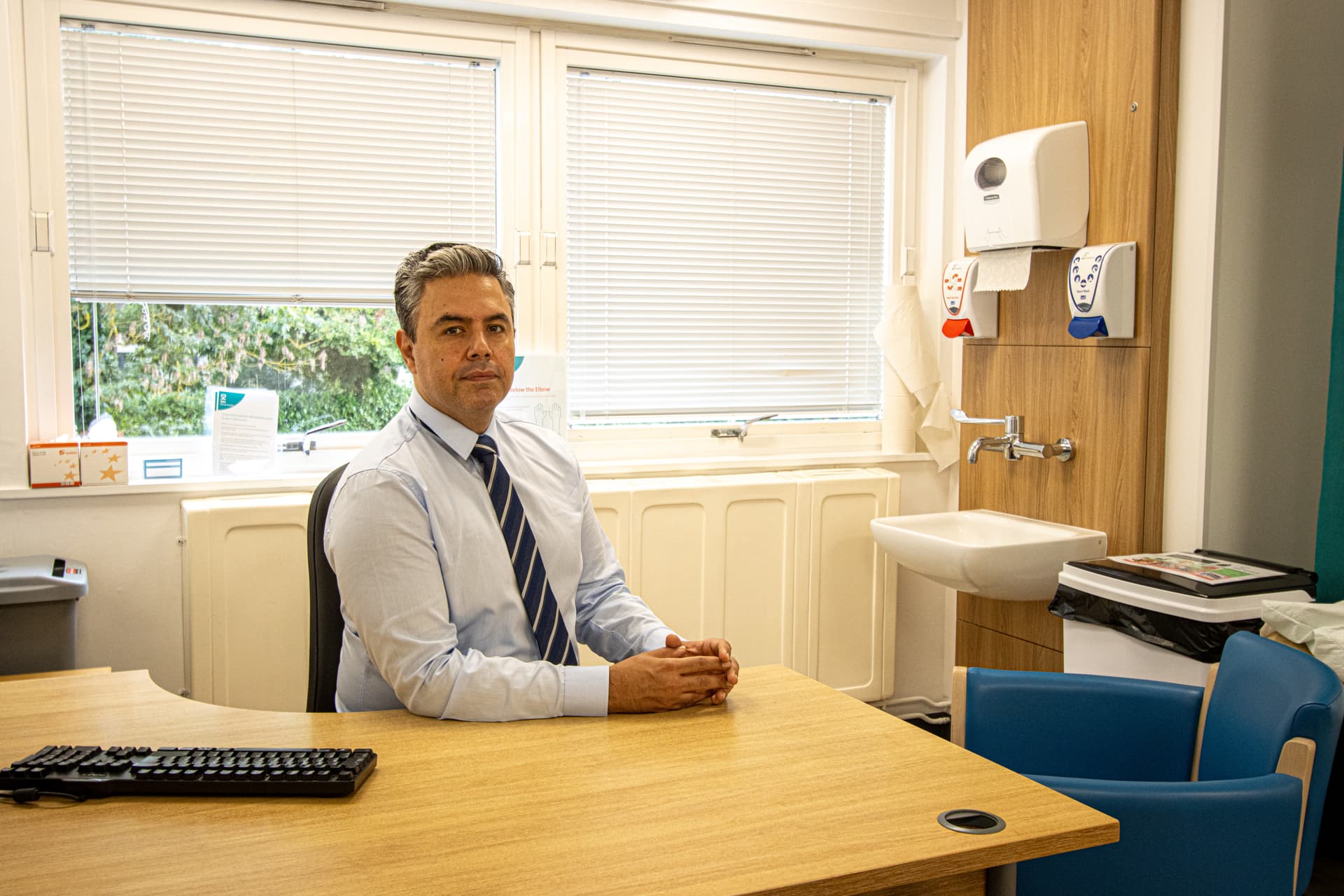
Mr Najib Daulatzai
Consultant Robotic, Colorectal and General Surgeon
Consultant surgeon at West Hertfordshire Teaching Hospitals NHS Trust, with private practice across London and Hertfordshire. Specialist in robotic and minimally invasive colorectal surgery.
Hernias are extremely common, and one of the questions I am most frequently asked is: do I really need surgery? The answer depends on a number of factors, and it is not always as straightforward as people assume. Here is what you need to know.
What is a hernia?
A hernia occurs when an internal part of the body, usually a portion of the intestine or fatty tissue, pushes through a weakness in the surrounding muscle or connective tissue wall. The most common types seen in adults are inguinal hernias (in the groin), umbilical hernias (around the belly button), femoral hernias (just below the groin), and incisional hernias (at the site of a previous surgical scar).
What are the symptoms?
The most obvious symptom of a hernia is a visible lump or bulge, which may be more prominent when standing, coughing, or straining. This may be accompanied by a dragging discomfort or aching sensation, particularly at the end of the day or after physical activity. Some hernias cause no symptoms at all and are discovered incidentally.
Do all hernias need surgery?
Not necessarily, but most hernias will not resolve on their own and tend to enlarge over time. The key question is whether the hernia is causing symptoms, whether it is enlarging, and whether it carries a risk of complications. The most serious complication of a hernia is strangulation, where the herniated tissue becomes trapped and its blood supply is cut off. This is a surgical emergency. Femoral hernias carry a particularly high risk of strangulation and should generally be repaired promptly once diagnosed. Inguinal and umbilical hernias in adults also tend to be repaired to prevent complications and relieve symptoms, though in selected cases a watchful waiting approach may be appropriate for small, asymptomatic inguinal hernias.
What does hernia repair involve?
I perform hernia repair using robotic and minimally invasive techniques wherever appropriate, allowing patients to return home the same day in most cases and recover significantly faster than with traditional open surgery. Mesh reinforcement is used where indicated to reduce the risk of recurrence. The right approach depends on the type and size of the hernia, your previous surgical history, and your individual circumstances. I will discuss all of this with you at your consultation.
If you would like to discuss your symptoms or treatment options, please contact us to book a consultation.