Condition-led
Crohn's disease and surgery, what you need to know
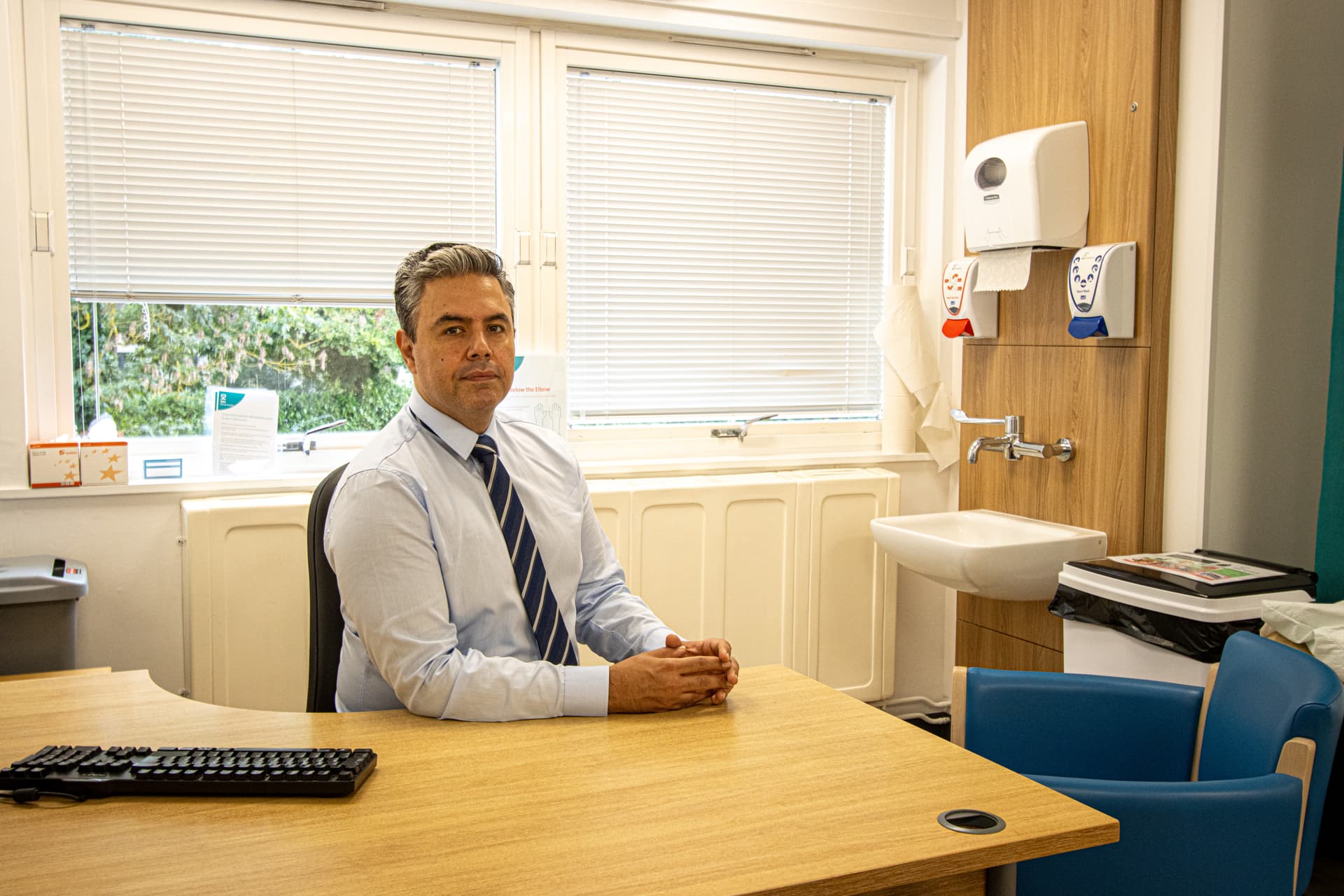
Mr Najib Daulatzai
Consultant Robotic, Colorectal and General Surgeon
Consultant surgeon at West Hertfordshire Teaching Hospitals NHS Trust, with private practice across London and Hertfordshire. Specialist in robotic and minimally invasive colorectal surgery.
For many patients with Crohn's disease, the prospect of surgery feels like a defeat, as though medical treatment has failed. In my experience, this is entirely the wrong way to think about it. Surgery is not a last resort. In the right circumstances, it can dramatically improve quality of life and allow patients to live more fully than years of escalating medication had permitted. Here is what I want patients with Crohn's disease to understand about surgery.
When is surgery considered for Crohn's disease?
Crohn's disease can affect any part of the gastrointestinal tract and causes inflammation that leads to symptoms including abdominal pain, diarrhoea, fatigue, and weight loss. Unlike ulcerative colitis, Crohn's disease cannot currently be cured by surgery, it can recur in other parts of the bowel after resection. Surgery is therefore used selectively, for specific indications:
- Disease that has failed to respond adequately to medical therapy, including biological treatments.
- Bowel strictures: narrowings caused by scarring, that are causing obstruction.
- Fistulas: abnormal connections between loops of bowel, or between the bowel and other structures such as the bladder or skin.
- Abscesses that require drainage.
- Perforation or haemorrhage requiring emergency intervention.
- Suspicion of or confirmed dysplasia or cancer.
What surgical options are available?
The overriding principle in Crohn's surgery is bowel preservation. Every effort is made to remove as little bowel as possible whilst effectively addressing the problem at hand. Strictureplasty is a technique used to widen a narrowed segment of bowel without removing it, preserving bowel length and reducing the risk of short bowel syndrome. Bowel resection, when necessary, removes the most severely affected segment and reconnects the healthy ends. For patients with perianal Crohn's, fistulas and abscesses around the anus, specialist surgical management is required, often in combination with medical therapy. I trained in the surgical management of inflammatory bowel disease at St Mark's Hospital London, one of the world's leading centres for intestinal disease. This experience gives me a depth of expertise in complex Crohn's surgery that is not universally available.
What should patients expect after surgery?
Recovery depends on the nature and extent of the procedure. For minimally invasive robotic or laparoscopic resections, most patients are discharged within three to five days and return to normal activities within two to four weeks. Longer-term, patients continue their medical management in collaboration with their gastroenterologist to reduce the risk of recurrence.
If you would like to discuss your symptoms or treatment options, please contact us to book a consultation.